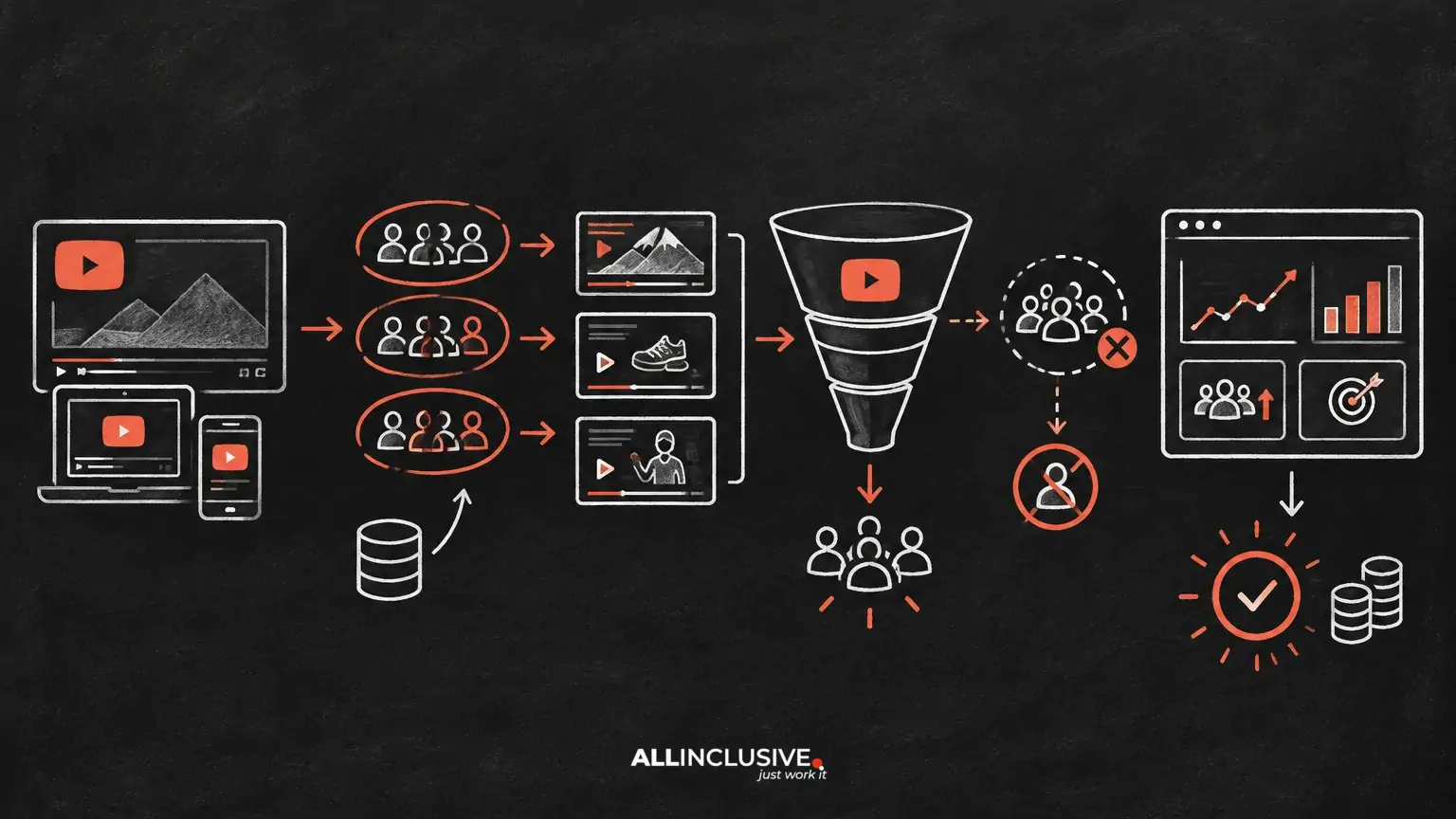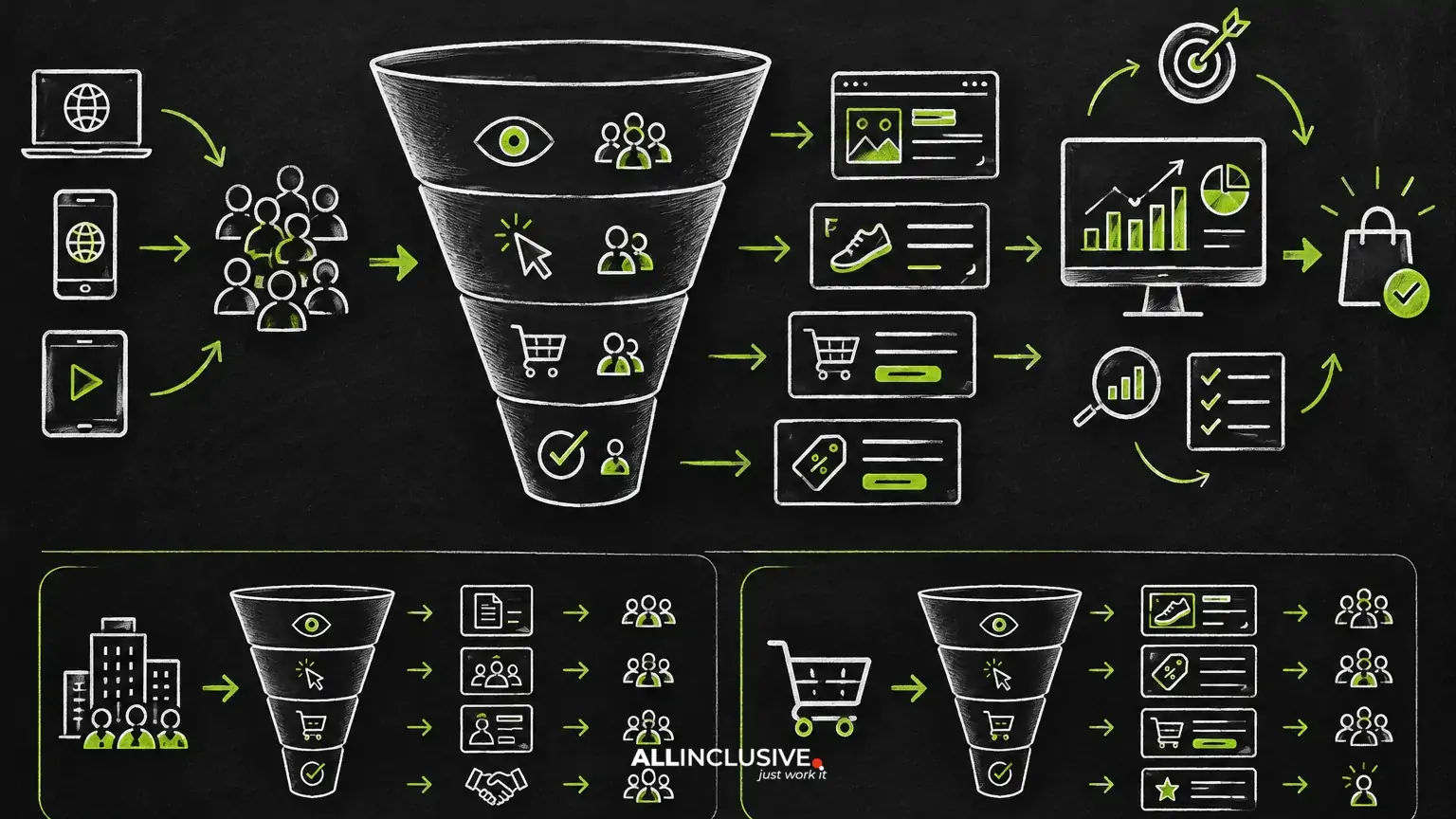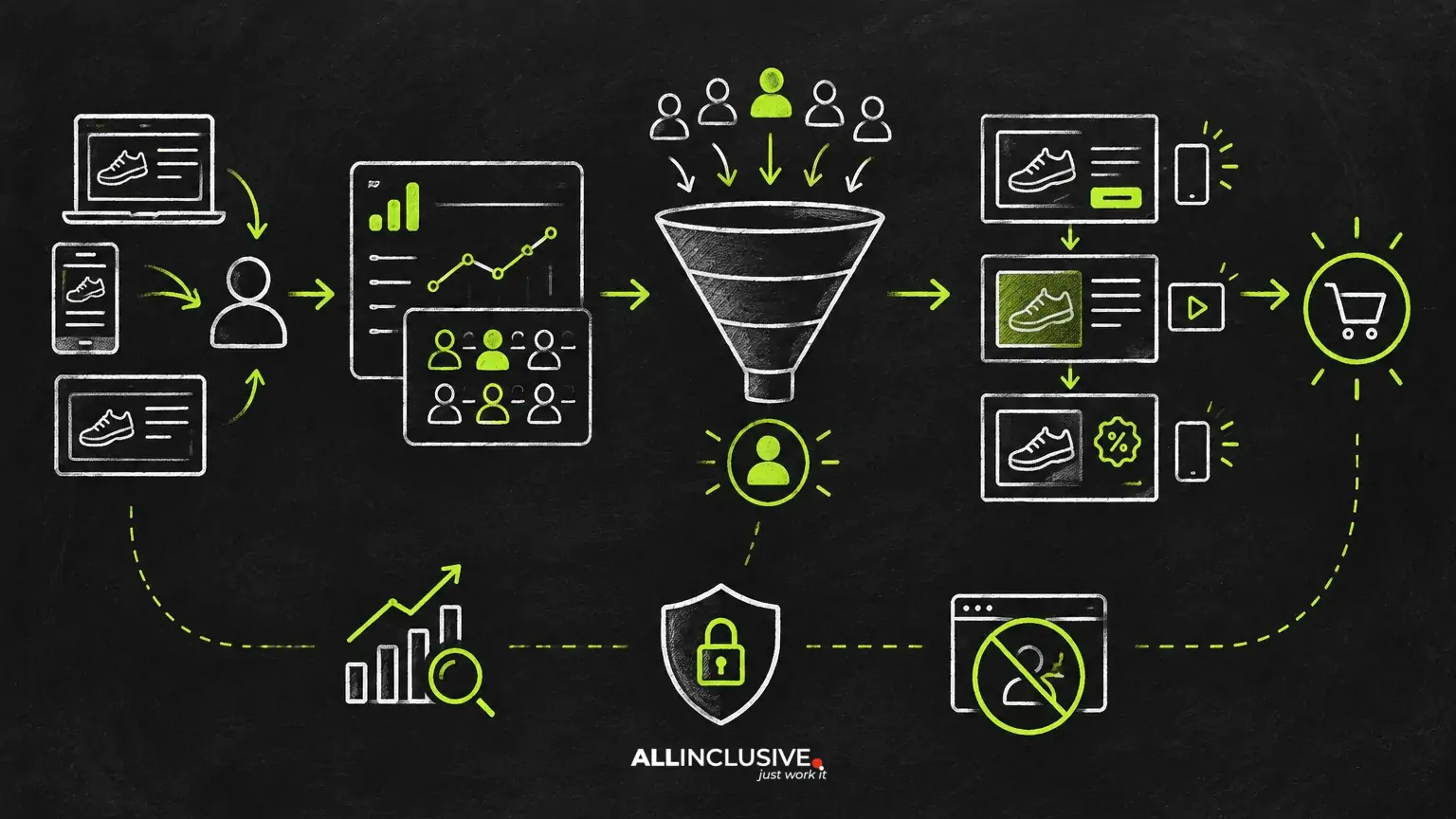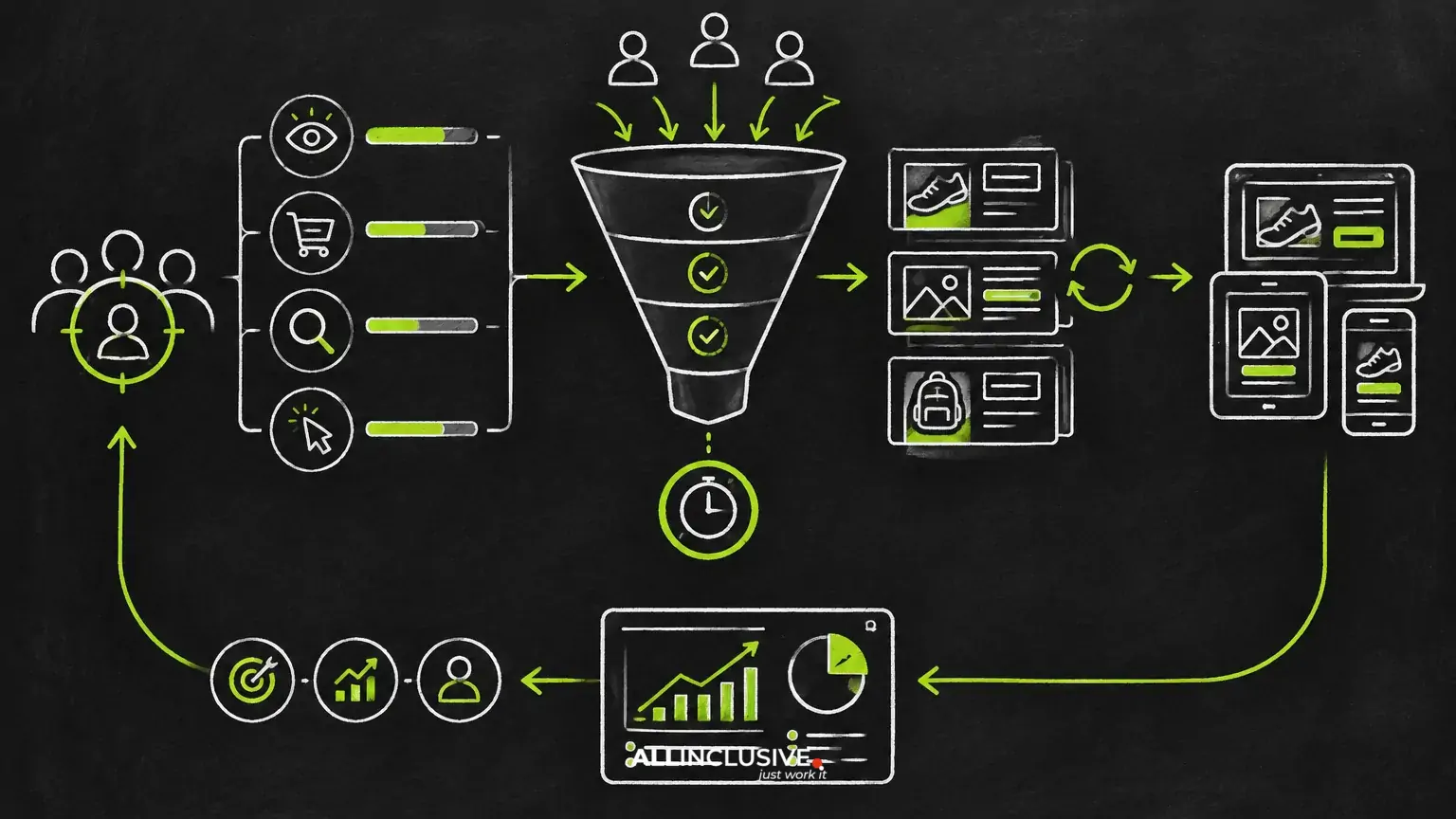
A remarketing frequency cap limits how many times an individual can see your ads within a defined period. The goal is not to show an ad as often as possible. It is to maintain useful visibility without creating fatigue, wasting spend, or making your brand feel intrusive.
There is no universal frequency number that works for every campaign. The right cap depends on the audience’s intent, the length of the buying cycle, the value of the conversion, the number of available creative assets, and whether the person has already taken a meaningful action.
A practical starting point is to set a conservative cap, monitor reach and incremental response, and adjust by audience segment rather than applying one rule to the entire remarketing pool. Frequency should support a broader remarketing strategy, not substitute for audience qualification or message sequencing.
What is a remarketing frequency cap?
Frequency is the average number of times a person in an audience is exposed to an ad during a selected time period. A frequency cap places an upper limit on those exposures according to the controls available in the advertising platform.
Frequency can be measured across a campaign, ad set, audience, or placement depending on the platform and campaign setup. Those scopes are not interchangeable. A cap applied to one ad set may not control exposure from another campaign targeting the same person, and platform reporting may use different attribution and counting methods.
For that reason, treat a frequency cap as a campaign-control mechanism, not a complete guarantee of total brand exposure. Review overlapping audiences, campaigns, placements, and channels when assessing how often a prospect may encounter your advertising.
Why frequency caps matter in remarketing
Remarketing audiences are already familiar with your business. They may have visited a key page, watched a video, started a form, viewed a product, or engaged with previous content. Repetition can reinforce recognition, but excessive repetition can reduce attention and create negative associations.
Frequency affects several outcomes:
- Efficiency: Repeated impressions to the same people can consume budget while adding little new reach.
- Attention: A familiar message may be ignored once the person has seen it enough times.
- Brand perception: Persistent ads can feel intrusive, especially when the message is no longer relevant.
- Measurement: High frequency can coincide with declining click-through or conversion rates, making it harder to determine whether additional exposure is productive.
- Reach: A cap can help distribute budget across more qualified people instead of concentrating spend on a small audience.
Frequency is therefore a balancing problem. Too little exposure may leave a high-intent prospect without a useful reminder. Too much exposure may produce diminishing returns before the person is ready to act.
How often should people see remarketing ads?
Use audience context rather than a universal benchmark. A person who visited a pricing page yesterday should not necessarily receive the same exposure pattern as someone who read a top-of-funnel article three weeks ago.
Start with intent and recency
Recent, high-intent visitors generally justify more timely follow-up than older, lower-intent visitors. For example, a prospect who requested a demo or began a high-value form may need coordinated reminders while the action is still relevant. A casual content reader may need fewer impressions spread over a longer period.
Consider these variables together:
- Recency: How long ago did the person take the qualifying action?
- Intent: Did the person view a commercial page, engage with educational content, or abandon a conversion step?
- Conversion value: Is the desired action a low-friction purchase, a lead form, a sales conversation, or a complex enterprise decision?
- Audience size: Small audiences reach higher frequency faster than large audiences at the same budget.
- Creative depth: More distinct, relevant messages can support more exposure than one repeated ad.
- Buying-cycle length: A long sales process may require sustained presence, but not necessarily daily repetition.
Use a shorter window for urgent intent
High-intent audiences often benefit from a tighter initial follow-up window. A visitor who viewed a demo or pricing page may need a clear reminder, proof point, objection-handling message, or direct call to action while the visit is fresh.
That does not mean showing the same ad repeatedly. Use a sequence that changes the reason to return. One ad can reinforce the value proposition, another can answer a common concern, and a later message can offer a lower-friction next step.
Use a longer window for consideration-stage audiences
People researching a complex B2B purchase may not be ready to convert after one visit. A lower and more distributed frequency can keep the company visible while allowing the audience to progress through research, internal alignment, and evaluation.
For these audiences, educational content, customer evidence, comparison material, and practical guides may be more appropriate than repeated sales-led creative. The objective is to earn another useful interaction, not to force an immediate conversion.
A framework for setting a remarketing frequency cap
The following process is more reliable than selecting a number in isolation.
1. Define the qualifying event
Specify exactly who enters the audience. Examples include a product-page visitor, a pricing-page visitor, a form starter, a video viewer, or a previous lead who has not yet reached a sales-qualified stage.
Exclude people whose status makes the message irrelevant. Depending on the campaign, that may include recent converters, existing customers, disqualified leads, or people who have already booked a meeting.
2. Set an audience lifetime
An audience lifetime determines how long a person remains eligible for remarketing. The lifetime should reflect the relevance of the original action and the buying cycle. A short-lived intent signal should not automatically trigger weeks of the same advertising.
Review whether the audience should be split by recency, such as recent visitors, mid-window researchers, and older prospects. Separate pools make it easier to vary both messaging and exposure.
3. Choose a conservative initial cap
Begin with a cap that protects against obvious overexposure while giving the campaign enough opportunity to generate meaningful delivery. The exact control and time window vary by platform, so document the scope of the cap and how the platform reports frequency.
Do not evaluate the cap immediately after launch. Allow enough delivery for patterns to emerge, then compare frequency with reach, cost, engagement, conversion quality, and the proportion of the audience exposed.
4. Match creative rotation to the cap
A higher cap is difficult to justify when an audience sees only one message. Build a small set of coordinated creative variations before increasing exposure. Variations might address:
- the original problem or use case;
- a product benefit or differentiator;
- a customer concern or objection;
- proof, process, or implementation detail;
- a relevant next step with lower conversion friction.
Creative rotation should not mean changing visuals while repeating the same claim. The message should progress with the audience’s likely questions.
5. Establish adjustment rules
Decide in advance what would cause you to lower, maintain, or increase exposure. For example, a sustained rise in frequency combined with declining engagement and no improvement in qualified conversions is a reason to reduce pressure, refresh creative, narrow the audience, or redistribute budget.
If frequency remains low because the audience is large and the campaign is failing to reach enough qualified people, increasing the cap may not solve the underlying problem. Check budget, audience eligibility, bid strategy, creative approval, placement availability, and conversion tracking first.
Frequency caps by funnel stage
Awareness and early research
Early-stage audiences usually need relevance more than repetition. Use broader educational messages and a measured exposure pattern. If the person has only consumed introductory content, a hard sales message may produce poor engagement regardless of frequency.
Evaluation and consideration
People comparing solutions may benefit from a sequence of proof, differentiation, and practical information. Frequency can be somewhat more active when the content changes meaningfully, but monitor whether the audience is progressing to higher-intent actions.
Conversion intent
High-intent visitors may justify faster follow-up, particularly when the next step is clear and the information is still timely. Prioritize a concise value proposition, relevant reassurance, and a direct path back to the conversion experience.
Post-conversion and customer audiences
Once someone converts, remove them from acquisition remarketing where possible. Continuing to show the same acquisition ad wastes impressions and can create confusion. If customer marketing is part of the program, use a separate audience, objective, message, and exposure policy.
How to diagnose frequency problems
Frequency alone does not prove ad fatigue. Diagnose it alongside delivery and business signals.
Signs the cap may be too high
- Frequency rises while reach growth slows.
- Engagement or click-through rates decline as exposure accumulates.
- Conversions become more expensive without improvement in lead or customer quality.
- Comments, feedback, or support interactions suggest the ad feels repetitive or poorly timed.
- The same person is eligible for multiple overlapping remarketing campaigns.
Signs the cap may be too low
- Qualified visitors receive only limited follow-up during a relevant decision window.
- The campaign has strong engagement when ads are delivered but insufficient reach among eligible users.
- Creative and landing-page experience are sound, yet the audience is not receiving enough exposure to recall the offer.
Neither diagnosis should be made from a single day or one metric. Compare performance by audience age, intent level, creative, placement, and conversion stage.
Frequency caps and creative sequencing work together
A cap controls how often an ad can be delivered; it does not determine what the person sees next. Sequencing requires audience rules, exclusions, creative grouping, and platform capabilities that may differ by channel.
For a practical example, consider a B2B visitor who reads a service page but does not submit a form:
- Show a concise reminder of the problem the service addresses.
- Follow with evidence or an explanation of how the engagement works.
- Address a likely objection, such as complexity, implementation, or internal approval.
- Present a clear next step, such as reviewing a relevant guide or requesting a consultation.
Apply a frequency policy to the sequence as a whole, not just each individual ad. Otherwise, separate campaigns can collectively create excessive exposure even when each campaign appears reasonable on its own. For more on message progression, see remarketing funnel sequencing.
Remarketing Frequency Caps: Mistakes to Watch For
Using one cap for every audience
Different intent levels, lifetimes, and conversion values require different treatment. Segmenting by meaningful behavior is usually more useful than applying one global rule.
Optimizing for clicks alone
Repeated exposure can generate clicks without producing qualified leads, purchases, or pipeline. Evaluate downstream outcomes wherever tracking supports it.
Ignoring campaign overlap
People can qualify for several audiences simultaneously. Audit shared membership and exclusions across campaigns, especially when teams manage separate initiatives.
Refreshing creative without changing the proposition
New imagery does not necessarily solve fatigue. If the audience has already understood the claim, introduce a more useful reason to engage.
Forgetting to suppress converters
Conversion suppression is one of the simplest ways to prevent wasted remarketing exposure. Confirm that audience updates and conversion signals are working as intended before drawing conclusions from frequency data.
A practical review checklist
Use this checklist during launch planning and recurring campaign reviews:
- What event qualifies a person for remarketing?
- How recent is that event, and how long should it remain relevant?
- What action should the audience take next?
- Which people should be excluded?
- Is the cap defined at the correct campaign or audience scope?
- How much creative variety exists for the intended exposure level?
- Are multiple campaigns reaching the same people?
- Which business-quality metrics will determine whether exposure is productive?
- What conditions will trigger a lower cap, a higher cap, a creative refresh, or audience restructuring?
The best frequency policy is not the one that maximizes impressions. It is the one that gives qualified prospects enough relevant reminders to move forward while protecting attention, budget, and brand trust. Treat frequency as part of the full paid media system, and adjust it alongside audience design, creative sequencing, landing-page experience, and conversion measurement.
For additional planning examples, review remarketing creative strategy and map exposure to the questions your audience is most likely to ask at each stage.