Remarketing vs. retargeting is usually presented as a terminology question. In practice, it is a strategy question: how should a business re-engage people who have already interacted with its brand, and which channels or messages are appropriate for that audience?
The terms overlap, and platforms, agencies, and marketers do not always use them consistently. A useful working distinction is that retargeting typically refers to paid advertising aimed at people who have interacted with a website, app, ad, or other digital asset, while remarketing is a broader term for re-engagement, including paid media, email, customer communications, and lifecycle programs.
Neither approach is inherently better. Use retargeting when paid media is the main mechanism for bringing known prospects back into a conversion path. Use remarketing when the re-engagement plan includes owned channels, customer lifecycle communications, or a broader relationship strategy. Many mature programs use both.
Remarketing vs. retargeting: the practical difference
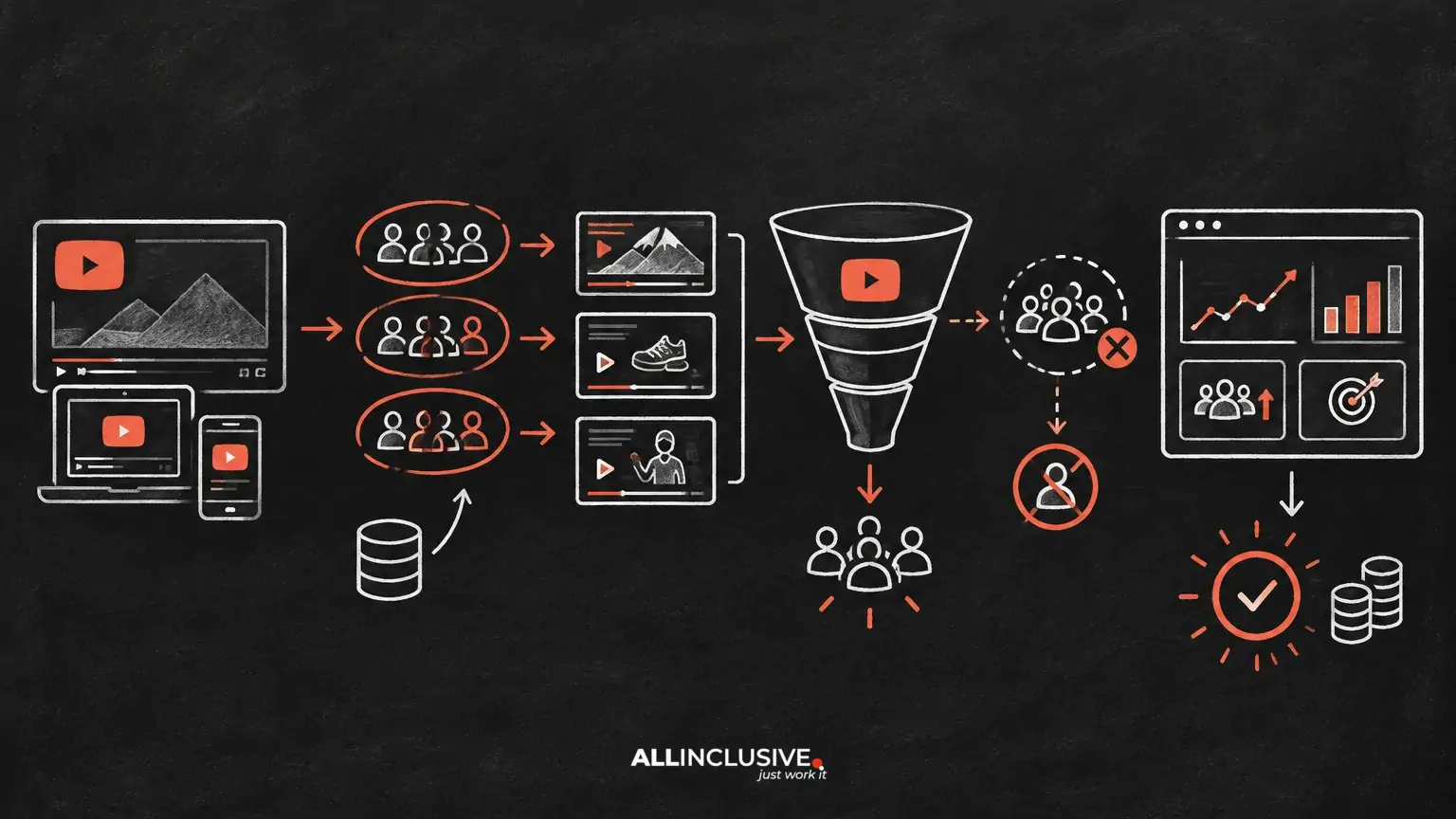
Retargeting is generally associated with paid placements. A visitor views a product page, starts a lead form, watches part of a video, or engages with an ad. The business then uses an advertising platform to show that person a relevant follow-up message, subject to consent, eligibility, audience availability, and platform policies.
Remarketing can describe that same activity, but it can also include email reminders, product recommendations, customer win-back campaigns, post-purchase communications, and other efforts designed to re-engage an existing contact or customer.
In other words:
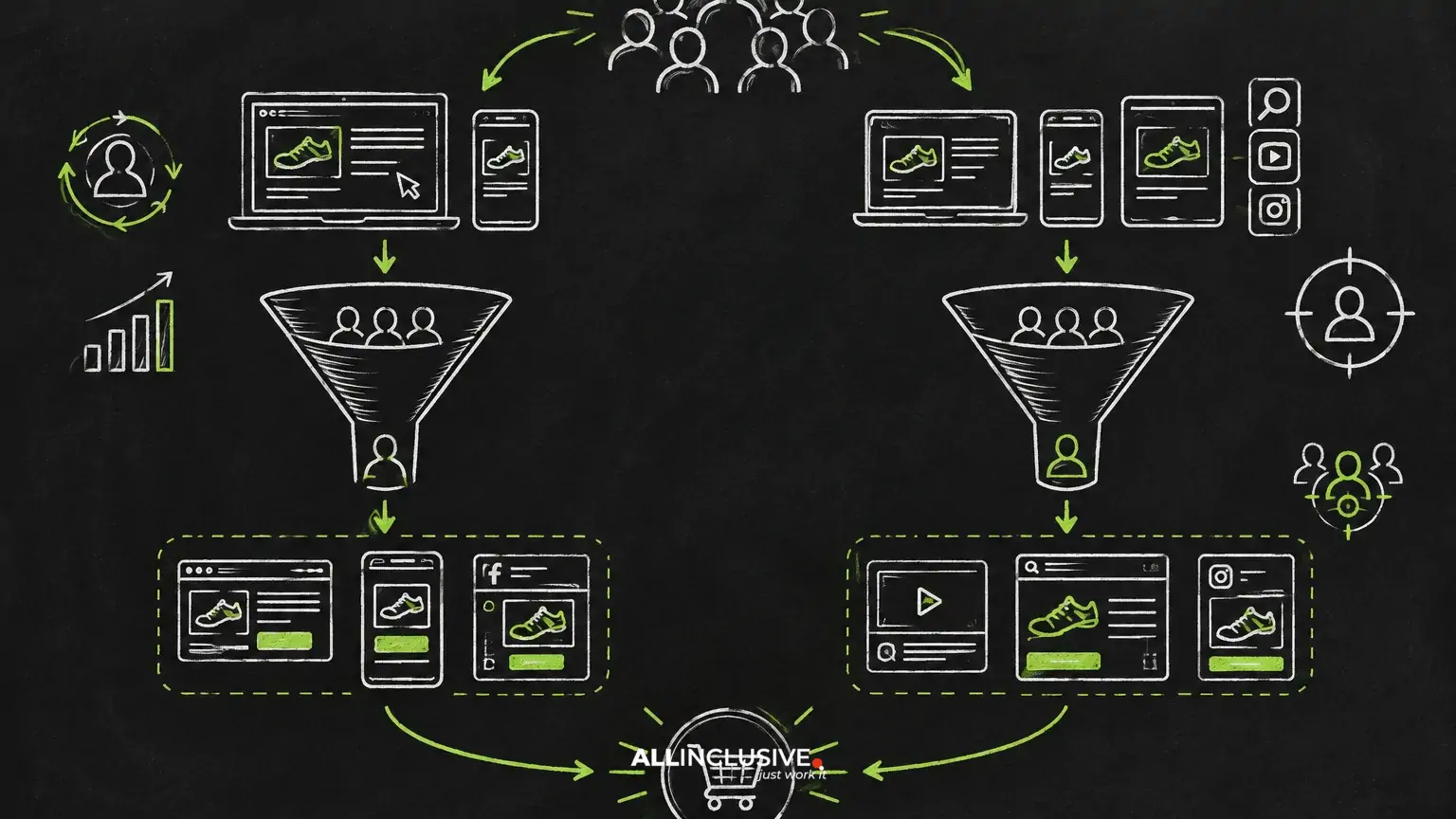
- Retargeting: usually paid-media re-engagement based on a prior digital interaction.
- Remarketing: a broader re-engagement concept that may include paid and owned channels.
- Overlap: both rely on audience signals, timing, relevance, exclusions, and measurement discipline.
Because terminology varies, define the terms in your internal documentation. A clear definition is more valuable than insisting on one universal industry meaning.
How retargeting works
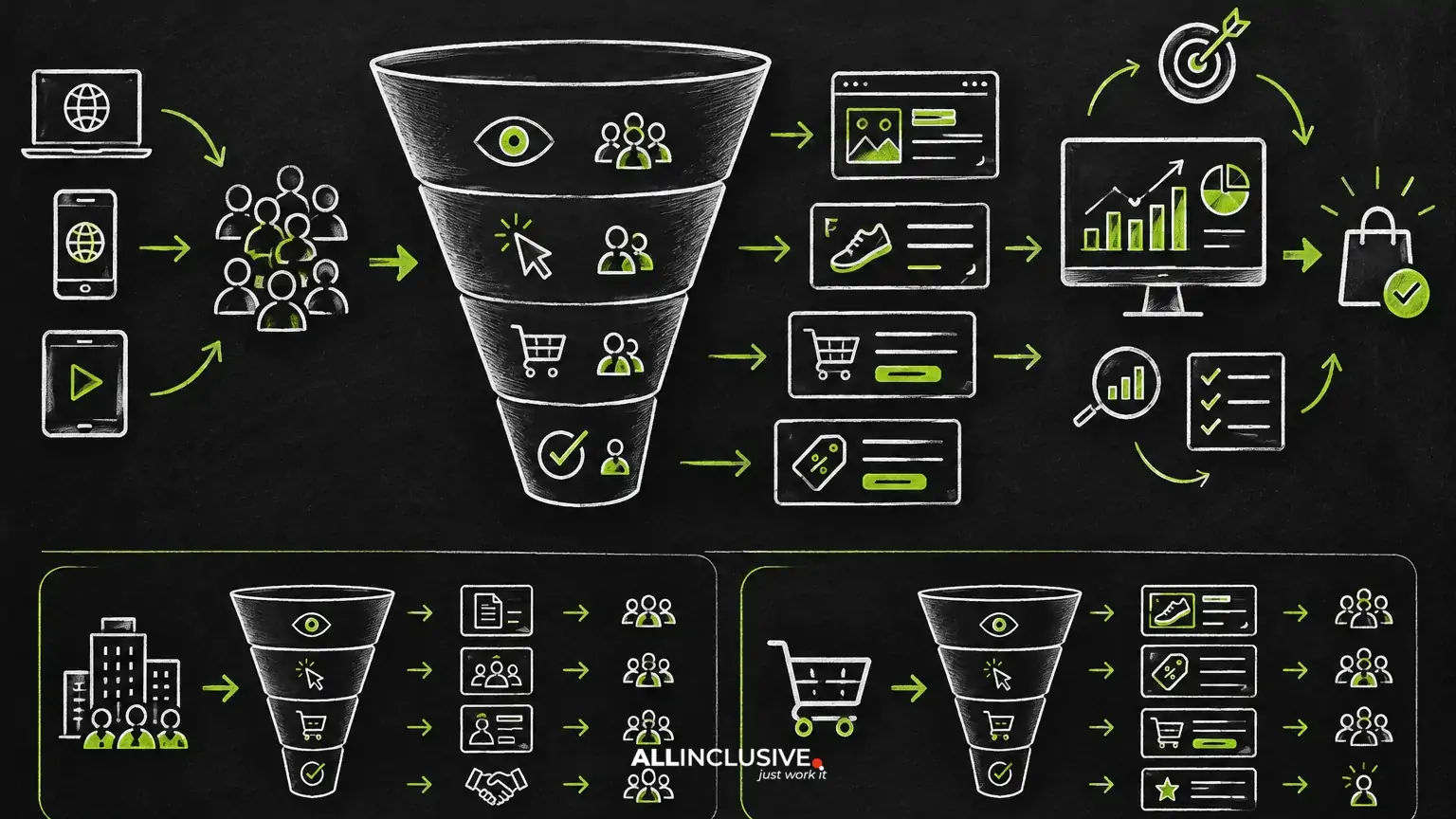
A retargeting program starts with an interaction that can be used to build or activate an audience. Examples include:
- Visiting a website or specific page group
- Viewing a product, pricing, or solution page
- Starting but not completing a form
- Adding an item to a cart
- Engaging with a video, ad, or social profile
- Using an application or reaching a defined product milestone
- Appearing in a privacy-compliant first-party customer or prospect audience
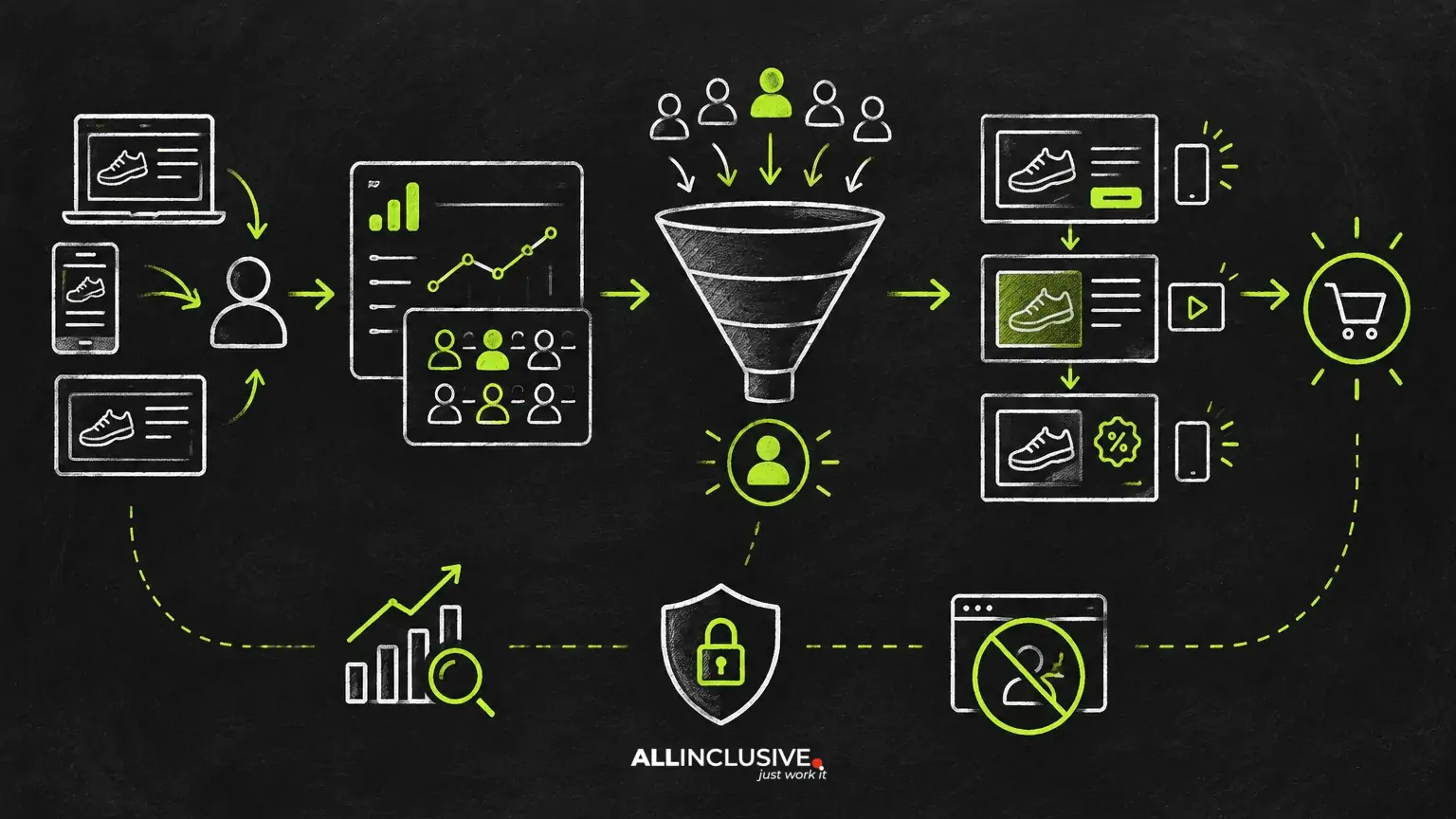
The advertiser then applies segmentation and rules. A recent pricing-page visitor may receive a different message from someone who only read an introductory article. A customer should usually be excluded from an acquisition ad and moved into a retention, cross-sell, or advocacy journey.
The ad does not need to repeat the first message. Effective retargeting often addresses the next decision barrier: uncertainty, lack of proof, implementation concerns, missing product information, or the need for a clearer call to action.
How remarketing works
Remarketing begins with the same audience insight but is not limited to paid placements. Depending on the business model and permissions available, it may include:
- Email follow-up after an inquiry, download, or abandoned action
- Paid ads that reinforce a sales or lifecycle message
- Customer education after purchase or onboarding
- Win-back communications for inactive customers
- Recommendations based on prior purchases or account activity
- Sales-assisted follow-up for qualified business prospects
This broader view is especially useful for businesses with identifiable customer relationships, longer buying cycles, repeat purchases, or account-based sales motions. It encourages teams to coordinate media with CRM, sales, customer success, and content rather than treating every returning user as an advertising impression.
When to use retargeting
Use retargeting when paid reach is the immediate need
Retargeting is a strong fit when a business needs to re-engage a known digital audience across paid channels. This may be appropriate when the audience has shown meaningful intent but is not yet ready to convert.
For example, a software company could create separate audiences for solution-page visitors, pricing-page visitors, and demo-form starters. Each group can receive a different proof point or call to action instead of one generic “come back” ad.
Use retargeting when the conversion path is measurable
Paid retargeting works best when you can define the desired next action and evaluate it consistently. That action might be a purchase, qualified inquiry, demo request, application start, or return to a high-value product page.
If the only available outcome is a soft engagement metric, the program may still have a role, but the business should avoid presenting clicks or view-through activity as proof of incremental revenue.
Use retargeting for staged decision support
Retargeting can support different stages of consideration:
- Early consideration: educational content, category clarification, or problem-focused messaging
- Active evaluation: comparisons, demonstrations, use cases, implementation detail, or social proof
- Conversion: a direct offer, consultation, application, or purchase path
- Post-conversion: only when the objective is appropriate, such as adoption, cross-sell, or renewal support
When to use broader remarketing
Use remarketing when the relationship extends beyond advertising
If a business has permissioned contacts, customer records, or an account team, a paid impression should not be the only follow-up mechanism. Remarketing can coordinate email, sales outreach, product education, and paid media around the same audience state.
For instance, a high-value B2B prospect who requested a proposal may need sales follow-up and tailored content, not simply another display ad. Paid media can provide useful reinforcement, but it should not replace a relevant human or owned-channel experience.
Use remarketing for retention and customer value
Paid retargeting is often discussed as a way to recover conversions. Broader remarketing also covers what happens after conversion. Customer education, renewal reminders, replenishment prompts, and cross-sell programs require different permissions, creative, exclusions, and success metrics than acquisition retargeting.
For ecommerce teams, product-view and cart audiences may be part of a wider lifecycle program. The paid component should be coordinated with email and customer communications so that frequency, offer eligibility, and product availability remain consistent. See remarketing for ecommerce for a more detailed audience framework.
Choosing between remarketing and retargeting
The following decision criteria help determine the right approach:
1. Audience identity
Can you recognize the person or account through a permissioned first-party relationship, or do you only have an anonymous digital interaction? Anonymous website and ad engagement often points toward retargeting. Known contacts and customers make broader remarketing possible, subject to applicable privacy and consent requirements.
2. Buying cycle
Short purchase journeys may need timely retargeting around product views, cart actions, or form abandonment. Longer B2B cycles usually benefit from coordinated remarketing across content, sales, CRM, and paid media.
3. Business objective
Define whether the goal is conversion recovery, qualification, product adoption, retention, renewal, cross-sell, or brand reinforcement. The objective determines the audience, message, channel, exclusions, and measurement model.
4. Available data and permissions
Do not assume that every interaction can be used for every channel. Build the program around the data you are allowed to collect and activate, with attention to consent, regional requirements, platform policies, data retention, and customer expectations.
5. Message control
Paid retargeting provides flexible reach and creative testing, but it can become repetitive. Owned-channel remarketing can be more direct and contextual, but it depends on contactability and message permission. Many businesses need both, with clear prioritization.
A practical audience and message framework
Start by mapping audience state rather than selecting a channel first. A simple framework might include:
- Known problem, low intent: provide education and clarify the category or use case.
- High-intent page visit: address evaluation barriers with proof, detail, or a specific next step.
- Started conversion: remove friction and return the person to the most relevant completion path.
- Converted customer: stop acquisition messaging and move to onboarding, adoption, retention, or expansion.
- Inactive or unresponsive contact: test a controlled re-engagement sequence, then suppress when continued messaging is unlikely to help.
This framework also makes creative easier to govern. Each audience should have a reason to see the message, a reason to act now, and a defined exit condition.
Measurement: do not confuse exposure with incrementality
Remarketing and retargeting audiences are often closer to conversion than prospecting audiences. That makes performance appear strong even when the campaign may be capturing demand that would have converted without the ad.
Measure more than click-through rate or platform-reported return. Review:
- Conversion rate by audience segment and recency window
- Cost per qualified lead, completed purchase, or other meaningful outcome
- Assisted and post-click outcomes in the broader customer journey
- Frequency, reach, and audience saturation
- Revenue quality, margin, repeat value, or downstream pipeline impact
- Results against an appropriate holdout, comparison period, or other incrementality method where feasible
Attribution should also account for overlapping campaigns and channels. A person may qualify for multiple audiences, interact with several ads, and receive email or sales outreach during the same period. For measurement guidance, see remarketing attribution.
Remarketing vs. Retargeting: Mistakes to Watch For
Treating every visitor as equally valuable
A homepage visitor, a pricing-page visitor, and a cart abandoner have different signals. Segment by behavior, intent, product, account value, or lifecycle stage where the data supports it.
Continuing ads after conversion
Conversion exclusions protect budget and customer experience. They also prevent acquisition reporting from being distorted by people who have already completed the intended action. More on this is covered in remarketing exclusions.
Using one message for every stage
Repeated exposure to the same generic creative rarely solves a specific decision barrier. Align the message with what the person has already done and what they should do next.
Ignoring landing-page continuity
The destination should match the audience and promise in the ad. Sending every segment to the homepage can add friction, obscure intent, and make the campaign harder to evaluate. See remarketing landing pages for practical routing decisions.
Optimizing only for immediate return
A retargeting campaign can report efficient conversions while contributing little incremental value. Consider audience overlap, natural conversion rates, margin, customer quality, and the role of other channels.
How to build a coordinated program
Use a shared audience map across paid media, CRM, sales, and customer teams. For each segment, document:
- The qualifying behavior or lifecycle state
- Allowed channels and required permissions
- Primary message and supporting proof
- Destination or next action
- Entry and exit conditions
- Frequency and contact rules
- Exclusions and suppression logic
- Primary and secondary success metrics
Then test the sequence, not just the ad. A useful test may compare a paid-only follow-up with a coordinated experience, or compare different recency windows and messages within the same audience. Keep the evaluation period and conversion definition consistent enough to support a credible decision.
Remarketing vs. Retargeting: Decision Summary
Remarketing and retargeting describe closely related ways to re-engage people who have already interacted with a business. Retargeting usually emphasizes paid advertising to digital audiences. Remarketing is broader and can include email, CRM, sales, customer lifecycle, and paid-media activity.
Choose based on the audience relationship, buying cycle, business objective, available permissions, and measurement plan. The strongest programs do not debate terminology in isolation; they define the audience state, deliver the next useful message, suppress people who no longer belong, and evaluate whether the activity created incremental value.
For a broader view of how re-engagement fits into paid acquisition and lifecycle planning, explore our remarketing strategy guidance and the paid media hub.