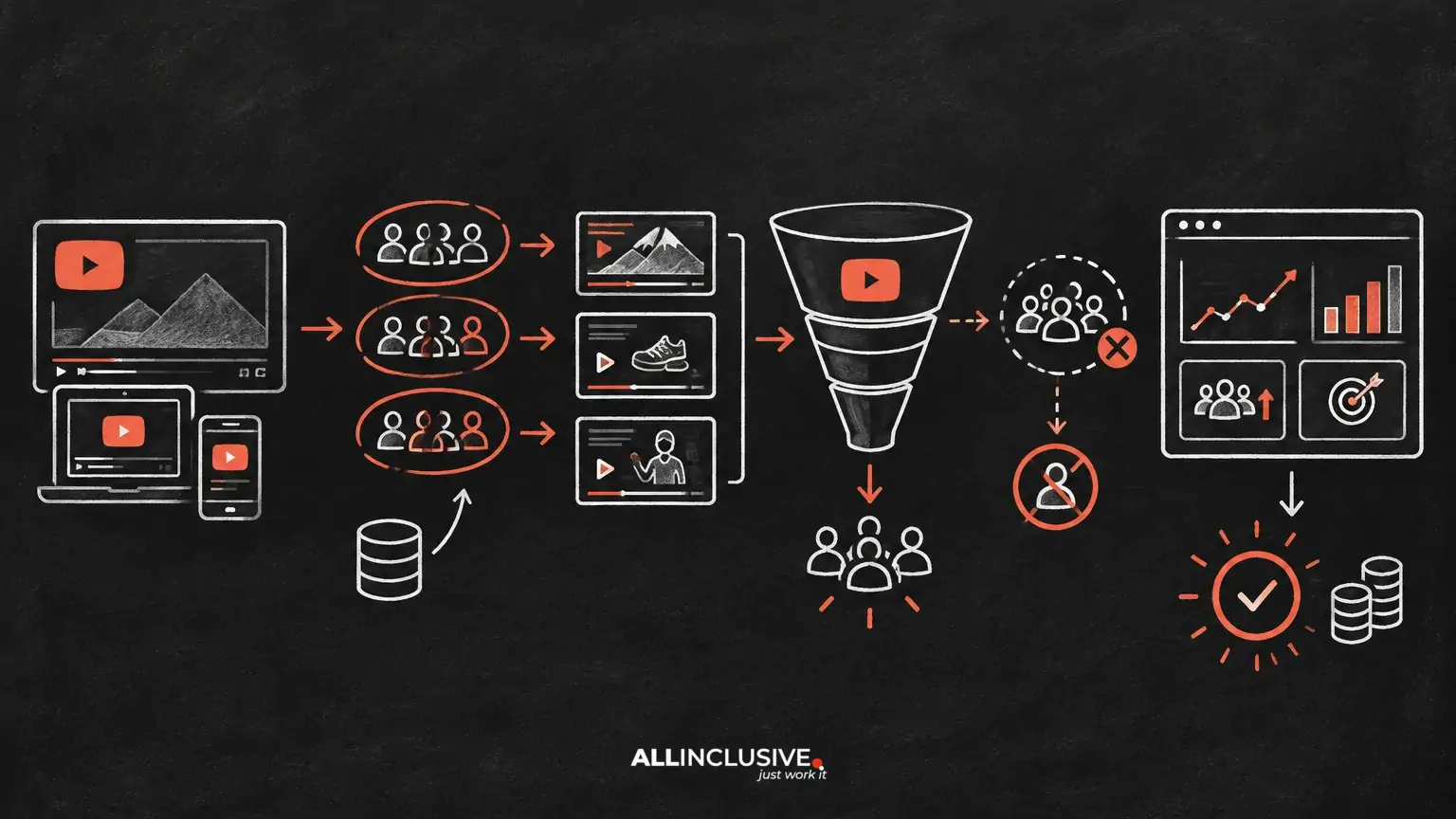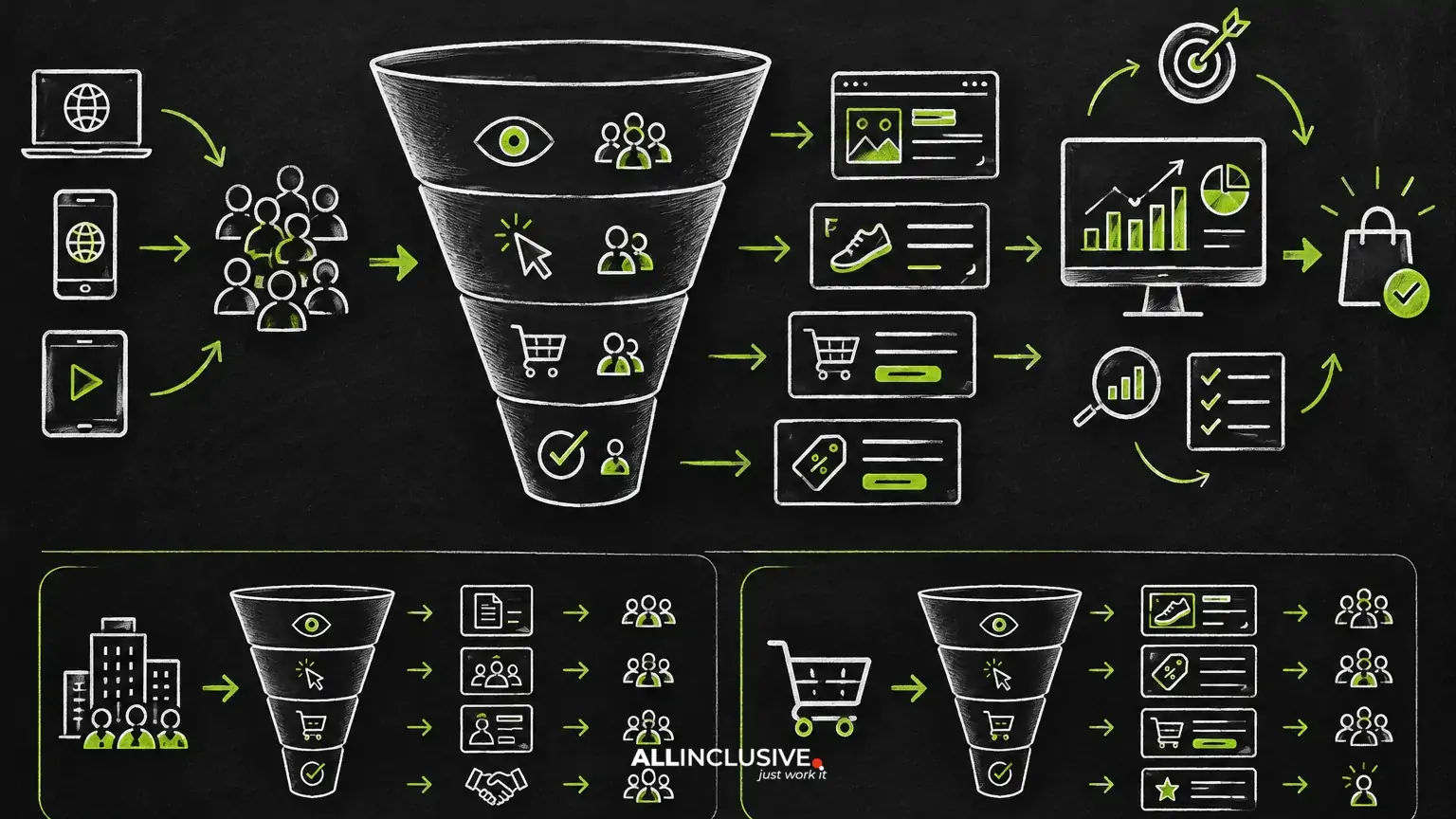
Dynamic remarketing uses a visitor’s previous interactions with a website or app to assemble more relevant ads. Instead of showing every person the same generic reminder, a campaign can use feed data and audience signals to select products, services or messages aligned with what someone viewed, searched for or nearly purchased.
The important distinction is that dynamic remarketing is not simply “retargeting with a product image.” It is a system in which three components must work together: an accurate feed, useful audience definitions and creative templates capable of turning those inputs into an ad. If one component is weak, additional media spend usually amplifies the weakness rather than solving it.
This guide explains the operating model, planning decisions, implementation workflow and measurement framework for teams evaluating dynamic remarketing across ecommerce, lead generation and other consideration-led journeys.
What dynamic remarketing does
Traditional remarketing often relies on manually selected ads or broad messages such as “Come back and finish your purchase.” Dynamic remarketing adds structured information about the item or offer associated with a user’s prior behavior.
For an ecommerce business, that may mean showing products a visitor viewed, related items or a broader category message. For a lead-generation business, the equivalent may be a service, property, destination, course or software plan connected to a person’s previous content engagement. The exact mechanics vary by platform, but the strategic pattern is consistent:
- Capture behavior: record relevant events, such as product views, searches, cart activity, form starts or high-value content visits.
- Match behavior to a catalog or feed: connect the event to an item identifier, category, service or other structured record.
- Apply audience logic: separate users by recency, intent, exclusions and business value.
- Assemble creative: use templates, images, prices, descriptions or calls to action appropriate to the available data.
- Optimize against a defined outcome: evaluate conversions, qualified leads, revenue or another outcome rather than clicks alone.
The three-part system: feed, audience and creative
1. Feed quality determines what can be shown
A feed is the structured source of information used to populate dynamic ads. Depending on the business model, it can contain products, services, locations, inventory, destinations, properties or other promotable entities.
Useful feed fields commonly include a stable item ID, title, description, URL, image, category, availability and commercial details where applicable. The required fields and accepted formats depend on the advertising environment, so implementation should begin with the destination platform’s current documentation rather than assumptions carried over from another channel.
From a marketing perspective, feed quality has four dimensions:
- Identity: the item ID in the feed must correspond to the ID sent by the website or app event.
- Accuracy: landing pages, availability, pricing and promotional claims should reflect the user’s destination.
- Freshness: information that changes frequently should have a dependable update process.
- Merchandising: titles, categories and images should help the system and the customer understand the offer.
Do not treat the feed as a technical afterthought. A campaign may appear to be delivering normally while showing outdated products, unsuitable recommendations or incomplete information. Establish ownership for feed changes, define validation checks and document what happens when an item becomes unavailable.
2. Audience design controls relevance and pressure
Dynamic creative cannot compensate for poor audience logic. Start by mapping the customer journey and identifying the action that should change the message. A recent product viewer may need a reminder. A cart user may need reassurance about delivery, returns or setup. A past purchaser may be better suited to replenishment, cross-sell or suppression.
Useful audience dimensions include:
- Behavior: viewed item, category visit, search, cart activity, checkout start, form interaction or purchase.
- Recency: the time since the action occurred.
- Frequency: how often the user has seen or engaged with ads.
- Value: expected order value, lead quality, margin or strategic importance.
- Stage: research, evaluation, conversion or post-purchase.
- Exclusions: recent purchasers, converted leads, existing customers or audiences with unsuitable consent status.
Audience windows should reflect the buying cycle. A short consideration journey may require tight recency bands, while a complex B2B purchase may justify longer windows and different content. Avoid choosing windows solely because a platform offers them. The correct question is how long the prior behavior remains a useful indication of current intent.
3. Creative turns data into a decision aid
Dynamic creative should do more than insert a product name into a standard banner. It should reduce uncertainty and make the next step clear. A product viewer might see the item, a relevant benefit and a direct path back to the product page. A user who viewed a service page might receive proof, a comparison asset or a consultation invitation rather than the same message shown to a low-intent visitor.
Plan creative around the information available to each audience. If the feed contains only basic item data, keep the template simple and avoid claims that cannot be supported. If the business has approved benefits, reviews, financing language or shipping information, define where those elements can appear and when they should be suppressed.
Build for variation, but protect brand and compliance requirements. Set rules for headlines, imagery, disclaimers, price presentation, calls to action and landing-page alignment. Review rendered examples across common placements before launch.
When dynamic remarketing is a strong fit
Dynamic remarketing is most useful when a business has enough item or offer variation that manually matching ads becomes inefficient, and when previous behavior provides a meaningful signal of interest. Common use cases include:
- Ecommerce catalogs with many products or frequently changing inventory.
- Travel, property or automotive businesses with multiple destinations, listings or vehicles.
- Software and B2B businesses with distinct plans, solutions or use cases.
- Education providers with programs or courses aligned to visitor interests.
- Lead-generation organizations where service or content engagement can guide the next message.
It may be a poor fit when the catalog is incomplete, the website cannot reliably pass item identifiers, the offer changes faster than the feed can be maintained or the buying journey does not produce enough meaningful behavioral variation. In those situations, a carefully structured static remarketing program may be more dependable.
Planning the campaign before implementation
Define the conversion hierarchy
Choose the primary business outcome before selecting optimization settings. Ecommerce teams may prioritize completed purchases or revenue. Lead-generation teams may need to distinguish a form submission from a qualified opportunity. Subscription businesses may care about activated accounts rather than registrations alone.
Also define secondary diagnostic signals, such as product-page engagement, cart starts, form completion rate or assisted progression. These signals can explain delivery and user behavior, but they should not quietly replace the business outcome because they are easier to generate.
Map events to feed identifiers
Create a clear data map showing which events are collected, which item or service identifiers they contain and which feed field those identifiers match. Test the full path from event capture to landing page. Pay particular attention to variant IDs, grouped products, out-of-stock items and changes to URL structure.
Set exclusions and sequencing rules
Suppression is part of relevance. Decide how quickly purchasers or converted leads should leave prospecting and remarketing pools, whether existing customers receive a different message and how users move between audience tiers. Where platform controls are limited, use the available audience and campaign settings conservatively and document the intended logic.
Build a creative matrix
A simple matrix prevents every audience from receiving the same asset. For example:
- Recent viewers: product or service reminder with a clear return path.
- High-intent users: reassurance, proof, comparison or a friction-reducing offer where approved.
- Older engagers: category discovery, educational content or a broader value proposition.
- Recent purchasers: exclusion from acquisition messaging, followed by retention or cross-sell communication when appropriate.
Document which claims are approved, which feed fields are mandatory and which fallback appears when a value is missing. A fallback should be intentional, not an accidental blank headline or broken image.
Measurement: evaluate the system, not just the ad
Dynamic remarketing performance should be read across four layers.
- Data quality: Are events firing, identifiers matching and feed items eligible? Are landing pages available and accurate?
- Delivery: Can the campaign reach the intended audience at a sustainable frequency and within the planned budget?
- Engagement: Are users interacting with the creative and reaching relevant pages?
- Business outcome: Are conversions, qualified leads, revenue or margin improving at an acceptable cost?
Review results by audience recency, event type, item category, creative variation and landing page where the data supports it. A blended return can hide weak segments, while a small segment can look unusually strong because of limited volume.
Use attribution carefully. Remarketing audiences are composed of people who already showed interest, so reported conversions should be interpreted alongside incrementality tests, holdouts or other suitable methods when available. At minimum, compare performance with clear exclusions, consistent conversion definitions and a documented attribution approach.
For broader planning context, see this guide to remarketing strategy and the wider paid media framework. For budget allocation questions, the remarketing budget guide provides a useful companion.
Common failure modes
Broken or mismatched identifiers
If the event ID does not match the feed ID, the system may be unable to select the intended item. Test representative products, services and variants rather than validating only one example.
One audience window for every behavior
A product view, cart action and completed purchase do not carry the same intent. Separate them where practical, and align recency with the buying cycle.
Overly generic creative
If every audience sees the same headline and benefit, the dynamic element may add little value. Use audience context to determine the message, not only the image.
Ignoring post-conversion treatment
Continuing to promote an item after purchase can waste spend and damage customer experience. Define suppression and retention paths before launch.
Optimizing to clicks alone
High click volume does not prove that the system is generating profitable or qualified demand. Keep the primary business outcome visible in reporting and decision-making.
Dynamic Remarketing: Pre-Launch Checklist
- Confirm the feed owner, update process and validation responsibilities.
- Verify that event identifiers match feed identifiers across representative journeys.
- Check item availability, URLs, images and commercial claims.
- Define audience tiers by behavior, recency, value and exclusions.
- Set a documented conversion hierarchy and attribution approach.
- Prepare creative templates, fallback rules and approval requirements.
- Review rendered ads and landing pages across relevant placements.
- Launch with a monitoring plan for data quality, delivery and outcomes.
- Schedule a post-launch review that separates tracking issues from media and creative issues.
How dynamic remarketing fits into a broader program
Dynamic remarketing is most effective when it is treated as one layer of a customer journey rather than an isolated campaign type. It should connect with prospecting, lifecycle messaging, onsite merchandising, sales follow-up and measurement. The right setup depends on the business model, buying cycle, available data and acceptable level of personalization.
For a deeper operational review, compare the campaign against the checks in this remarketing campaign audit. If your priority is ecommerce, the ecommerce remarketing strategies guide covers additional post-view and post-purchase considerations.
The central principle is straightforward: feed accuracy makes relevant selection possible, audience design determines when and why a person sees an ad, and creative makes the next action understandable. When those three layers are planned together, dynamic remarketing becomes a controlled decision system rather than a collection of automatically assembled ads.