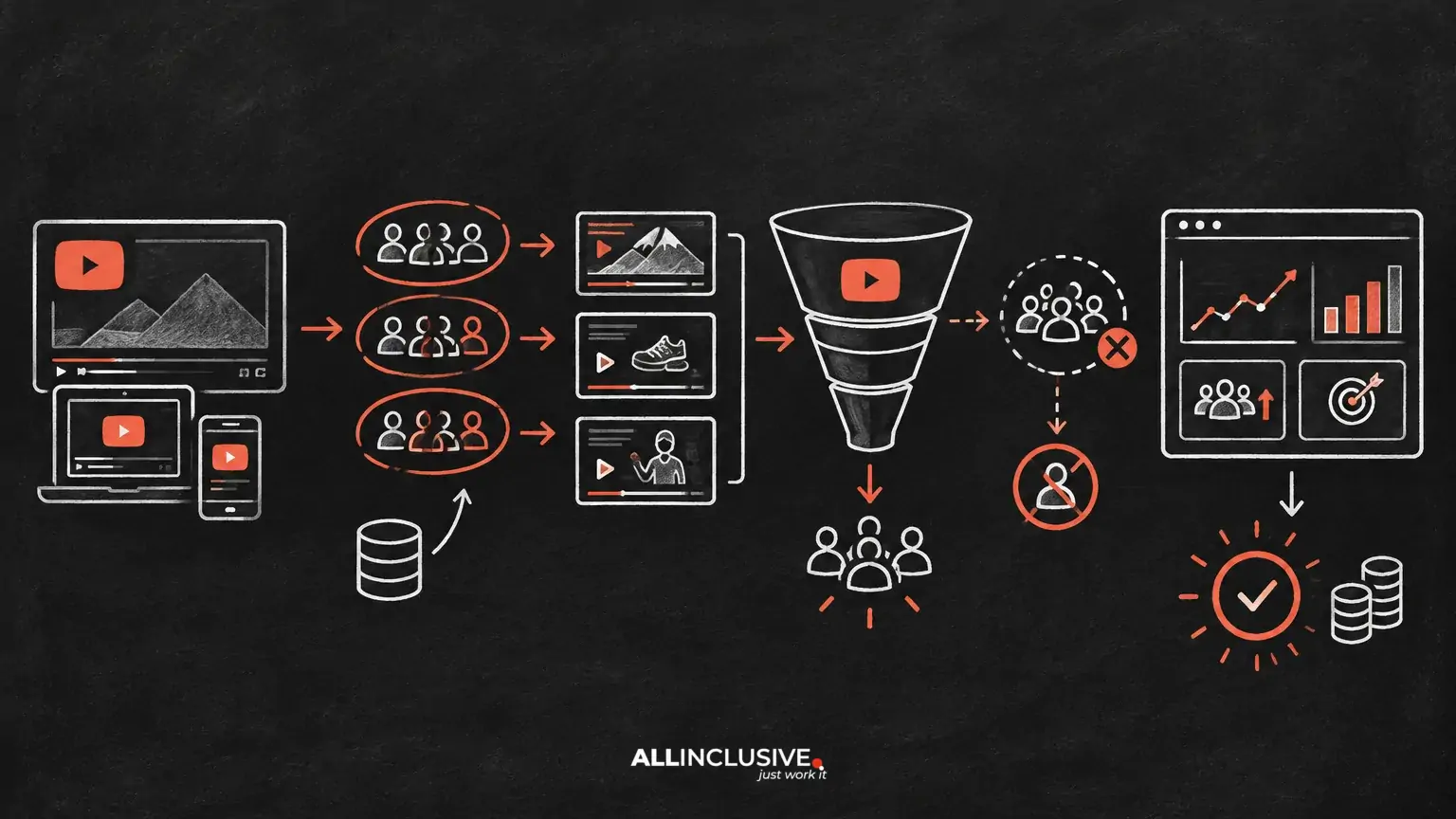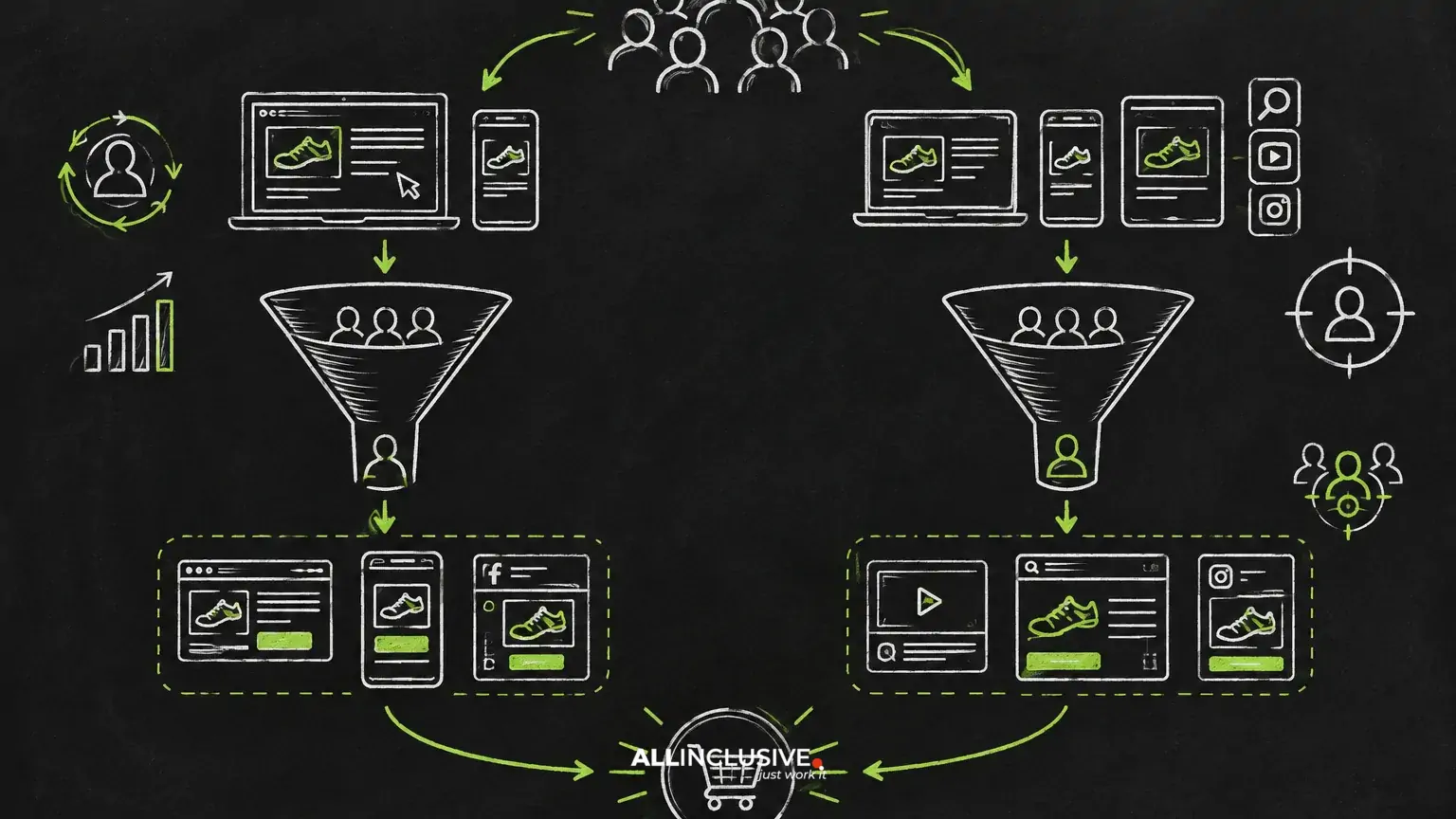
Remarketing windows determine how long someone remains eligible to receive ads after visiting your site, viewing a product, starting a form or taking another tracked action. The right window is not automatically the longest one available. It should reflect how quickly intent decays, how long the buying process takes and whether your message remains useful over time.
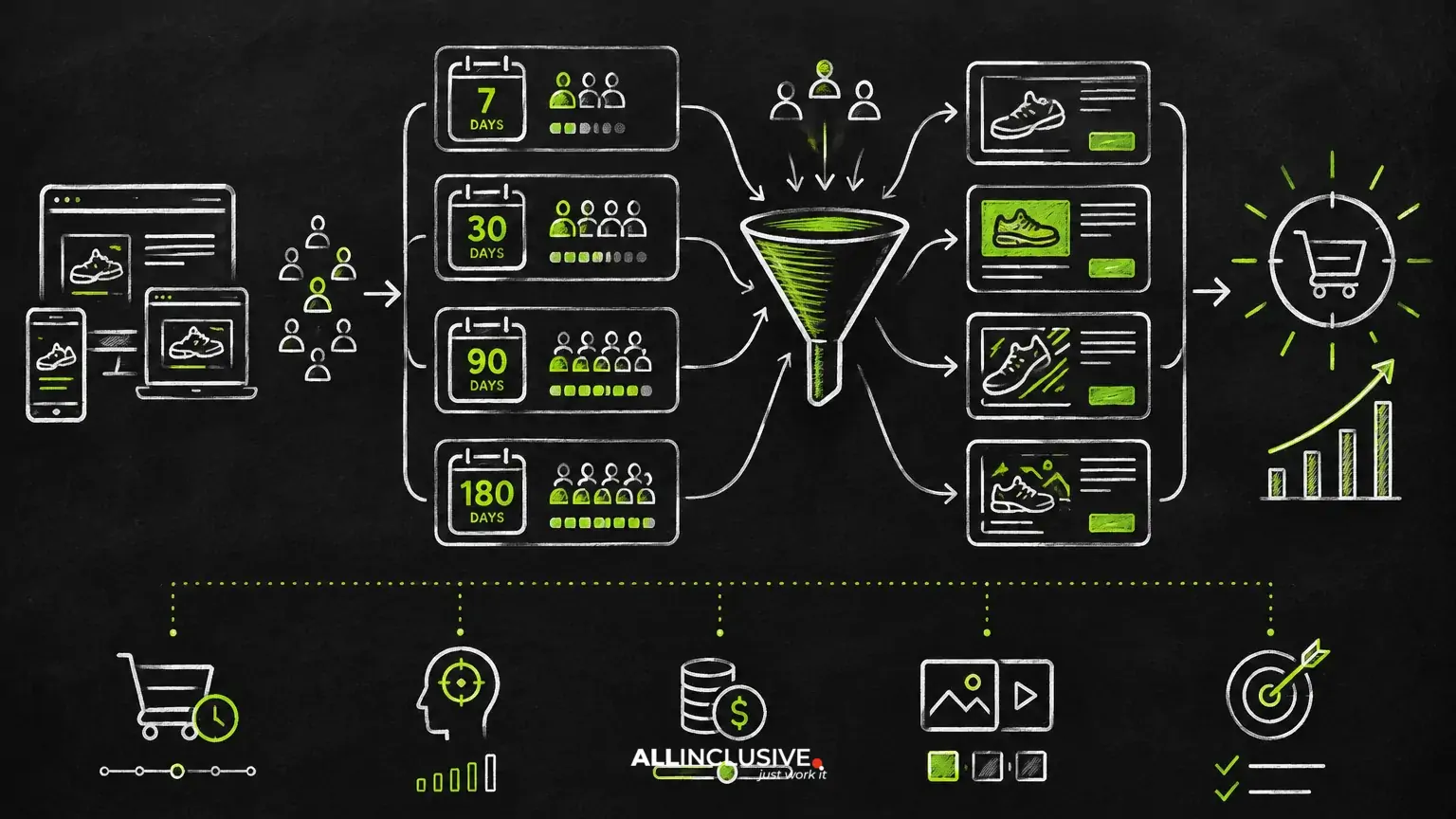
For many businesses, a short window such as seven days is best for high-intent prospects, while 30 days provides a practical default for active consideration. Ninety- and 180-day audiences can support longer B2B buying cycles, repeat-purchase programs and account-based nurturing, but they usually require tighter segmentation, lower bids or different creative.
This guide explains how to choose remarketing windows without treating every site visitor as equally valuable.
What a remarketing window actually controls
A remarketing window is the period during which a user can qualify for an audience after a defined event. The event might be a page visit, content download, product view, checkout start, demo request or completed purchase. The window controls eligibility; it does not determine whether every eligible person should receive the same ad.
That distinction matters. A 180-day audience built from all website visitors can contain recent, high-intent prospects alongside people whose interest has gone cold. A well-designed strategy separates those users by recency and behavior instead of relying on one large pool.
Platform mechanics vary by advertising channel, account configuration and privacy conditions. Audience population, membership duration, consent, attribution and delivery eligibility should therefore be validated in each platform. The strategic principles, however, are broadly consistent: recent actions usually signal stronger intent, while older actions need more context and a clear reason to re-engage.
How to choose between 7-, 30-, 90- and 180-day windows
7-day remarketing windows: immediate follow-up
A seven-day window is suited to actions where interest is likely to decay quickly. Examples include viewing a high-value product, visiting pricing, starting checkout or submitting a form without completing the next step.
Use this window when:
- The decision can happen within days rather than months.
- The visitor took a high-intent action.
- The offer, inventory or promotion is time-sensitive.
- You can create a specific follow-up message rather than repeating a generic brand ad.
Seven-day audiences often work well with reminders, comparison content, answers to common objections and direct next steps. For example, someone who viewed a consultation page may receive an ad directing them to a relevant case study or scheduling page. Someone who abandoned a cart may need a product reminder, not an introductory brand message.
The main risk is insufficient scale. A seven-day audience may be too small for stable delivery in some campaigns, especially when traffic is limited or the qualifying event is narrow. Do not solve that problem automatically by combining all visitors into a longer, less relevant audience. First test whether broader but still meaningful events, such as visits to a category or solution page, can provide enough volume.
30-day remarketing windows: active consideration
Thirty days is a useful starting point for many consumer and B2B campaigns because it covers a meaningful consideration period without allowing recency to become too diluted. It can support visitors who researched a solution, compared options, read important content or engaged with multiple pages.
A 30-day audience is especially appropriate when:
- The typical decision takes several weeks.
- Prospects need education before contacting sales.
- The product or service is not purchased immediately but does not require a long procurement cycle.
- You have enough traffic to divide users into recent and less-recent segments.
Within a 30-day window, consider separating the first seven days from days eight through 30. The first group can receive direct-response creative, while the second may benefit from proof, comparisons, implementation guidance or a softer conversion request.
90-day remarketing windows: extended evaluation
Ninety-day windows are more suitable for considered purchases, complex services, enterprise software, professional services and products with longer research or approval processes. They can also help maintain continuity when prospects revisit a site irregularly.
A 90-day audience should rarely be treated as one undifferentiated group. Divide it by recency, action and value. For example:
- Days 1–14: high-intent follow-up and conversion-focused messaging.
- Days 15–45: proof, differentiation and objection handling.
- Days 46–90: educational content, category reminders or a new reason to return.
Longer windows can increase reach, but they also increase the chance of serving ads to people who have changed priorities, selected another provider or no longer recognize the original context. Frequency controls, exclusions and message rotation become increasingly important.
180-day remarketing windows: long-cycle nurturing
A 180-day window can be useful when the buying cycle is genuinely long or when the audience has a high potential lifetime value. Common use cases include enterprise sales, major purchases, renewals, subscriptions, repeat-purchase categories and account-based programs.
Use a 180-day window selectively. It is most defensible when at least one of the following is true:
- The prospect may remain in-market for multiple quarters.
- The sales process includes budgeting, procurement or multiple stakeholders.
- The product has a natural renewal or replenishment cycle.
- There is a meaningful reason to re-engage older visitors, such as new functionality, a relevant event, updated research or a changed commercial offer.
Older audiences often need a different role from short-window audiences. Instead of repeatedly asking for an immediate conversion, use them for education, category recall, event promotion or carefully timed reactivation. If you cannot explain why a person should see the ad now, the window is probably too broad or the creative is too generic.
Match the window to the buying cycle, not the platform default
The most important decision criterion is the time between first meaningful interaction and conversion. Review your own funnel data where available, including time to lead, time to opportunity and time to purchase. Use directional evidence rather than assuming that all visitors have the same decision timeline.
Map the funnel into three questions:
- How quickly can a qualified prospect act? A local appointment, simple purchase or straightforward inquiry may need a short window.
- How much consideration is required? Complex pricing, technical evaluation and internal approval support longer windows.
- When does the original message lose relevance? A product launch, seasonal offer or inventory message may become stale well before 30 days.
If the answer differs substantially by audience, create separate windows by action. A pricing-page visitor may belong in a seven-day audience, while a general blog reader may be eligible for a longer educational sequence.
Segment by recency and intent
Window length alone is not a segmentation strategy. A stronger structure combines recency, behavior and, where possible, business value.
For example, a B2B advertiser might build the following audiences:
- Solution-page visitors in the last seven days.
- Pricing or demo-page visitors in the last 30 days.
- Content downloaders in the last 90 days.
- Qualified leads not yet marked as customers in the last 180 days.
- Existing customers in a separate renewal or cross-sell audience.
This structure gives media buyers more control over bids, creative, exclusions and landing pages. It also reduces the risk that a low-intent visitor receives an overly aggressive sales message.
For a broader framework, see our guide to remarketing audience segmentation.
Use different windows for different conversion paths
There is no requirement to use one remarketing window across an entire account. Different conversion paths often deserve different durations.
Short-cycle ecommerce
Product viewers and cart abandoners may need seven-day or shorter follow-up, while past purchasers may belong in a longer replenishment or cross-sell sequence. Exclude completed purchasers from acquisition-oriented ads unless the campaign has a clear post-purchase objective.
Lead generation
A visitor who viewed a service page may be valuable for 30 days, while someone who downloaded an early-stage guide may require 90 days of education. Form abandoners and high-intent page visitors can usually justify more direct creative than single-page content visitors.
Enterprise and complex B2B
Enterprise prospects may need 90- or 180-day eligibility, but delivery should be managed through account, role, engagement and pipeline-stage signals where available. A long window should support sales alignment, not replace it.
Creative should change as the window gets older
Recency is a message signal. A recent visitor may remember the page they viewed and respond to a specific continuation. An older visitor may need the context rebuilt.
A practical progression might look like this:
- Recent: continue the action, clarify the next step or address an immediate objection.
- Mid-window: demonstrate value through proof, comparison, implementation details or customer education.
- Older: introduce a new reason to return, such as updated content, a relevant event, a new use case or a timely business problem.
Rotating creative does not make an irrelevant audience relevant. If the user has no continuing need, a new headline will not fix the underlying targeting decision.
Budget, frequency and audience overlap
Longer windows can increase audience size, but they may also create overlap between campaigns. The same person could qualify for a seven-day, 30-day and 90-day audience simultaneously. Without a hierarchy or exclusions, campaigns may compete for the same impression and make performance harder to interpret.
Establish a priority structure. For example, a seven-day high-intent campaign can exclude users in a completed-conversion audience, while a broader 30-day campaign excludes the seven-day segment. A 90-day nurture campaign can exclude both the recent and mid-window groups if separate messaging is required.
Monitor reach, frequency, spend distribution, conversion quality and incremental behavior. High click-through rate alone does not prove that a longer window is working. Review the full measurement approach in remarketing attribution: avoiding false ROAS and double counting.
When to shorten or lengthen a window
Shorten the window when:
- Conversion rates decline sharply as users age.
- Creative becomes repetitive or commercially irrelevant.
- Frequency rises without corresponding qualified actions.
- The offer is time-sensitive or the product changes quickly.
- Older users are already represented in a more appropriate lifecycle campaign.
Lengthen the window when:
- The buying cycle clearly extends beyond the current duration.
- Qualified prospects return after long periods of research.
- The product has predictable renewal, replenishment or seasonal behavior.
- There is sufficient volume and a credible message for older users.
- Sales feedback indicates that prospects remain active after the current window ends.
Do not lengthen a window simply because a campaign needs more delivery. Expand eligibility only when the additional audience has a plausible business value and a suitable message.
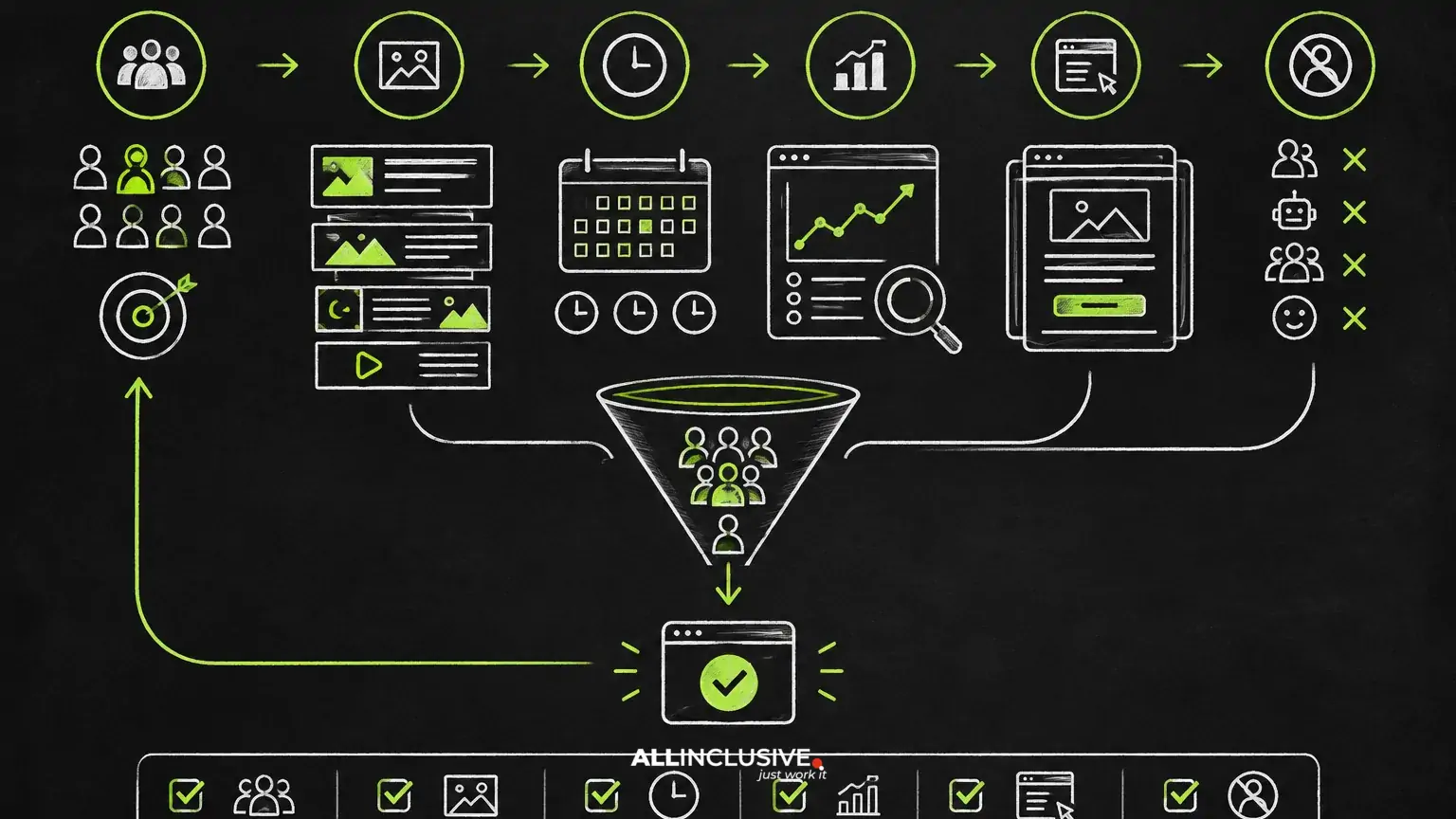
Remarketing Windows: Implementation Checklist
- Define the qualifying event for each audience.
- Estimate the buying-cycle length for that event and offer.
- Create recency bands instead of one undifferentiated long window where practical.
- Assign a message, landing page and conversion goal to each band.
- Exclude purchasers, converted leads and other inappropriate users.
- Set a priority structure to reduce audience overlap.
- Check consent, tracking, audience population and platform eligibility before launch.
- Evaluate qualified conversions and downstream outcomes, not only clicks or attributed revenue.
- Review performance by audience age and adjust the window when relevance declines.
For broader planning, connect these decisions to your remarketing strategy and the wider paid media measurement framework.
Final guidance
Seven-, 30-, 90- and 180-day audiences each have a legitimate role, but duration should follow user intent and buying behavior. Short windows are generally better for immediate follow-up; medium windows support active consideration; long windows are appropriate for complex cycles, renewals and carefully managed nurturing.
The strongest approach is not to choose one universal duration. Build a hierarchy of windows, align each with a distinct message and conversion path, and remove users when the original marketing objective no longer applies. That turns remarketing from repeated exposure into a controlled progression based on recency, relevance and business value.