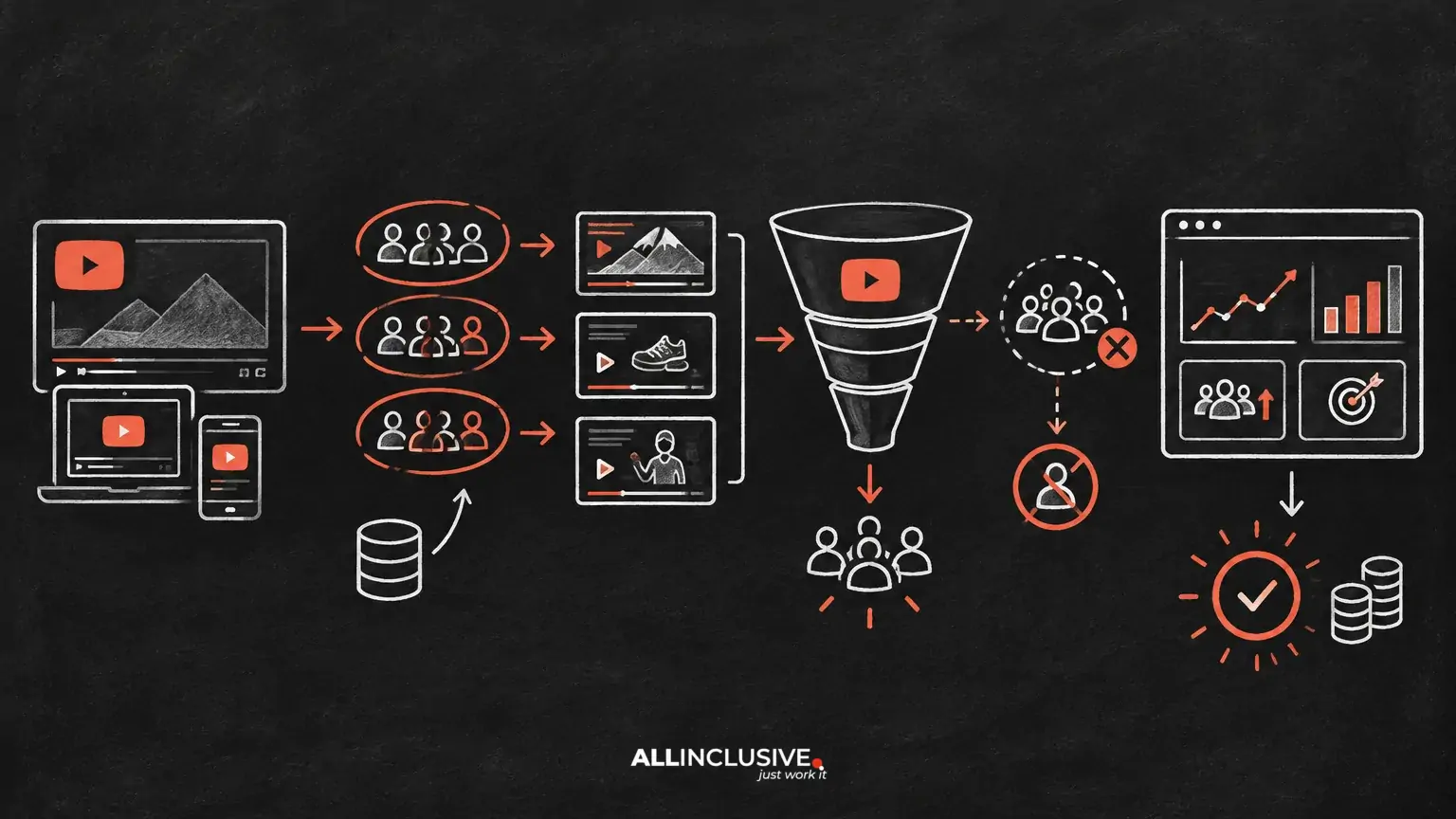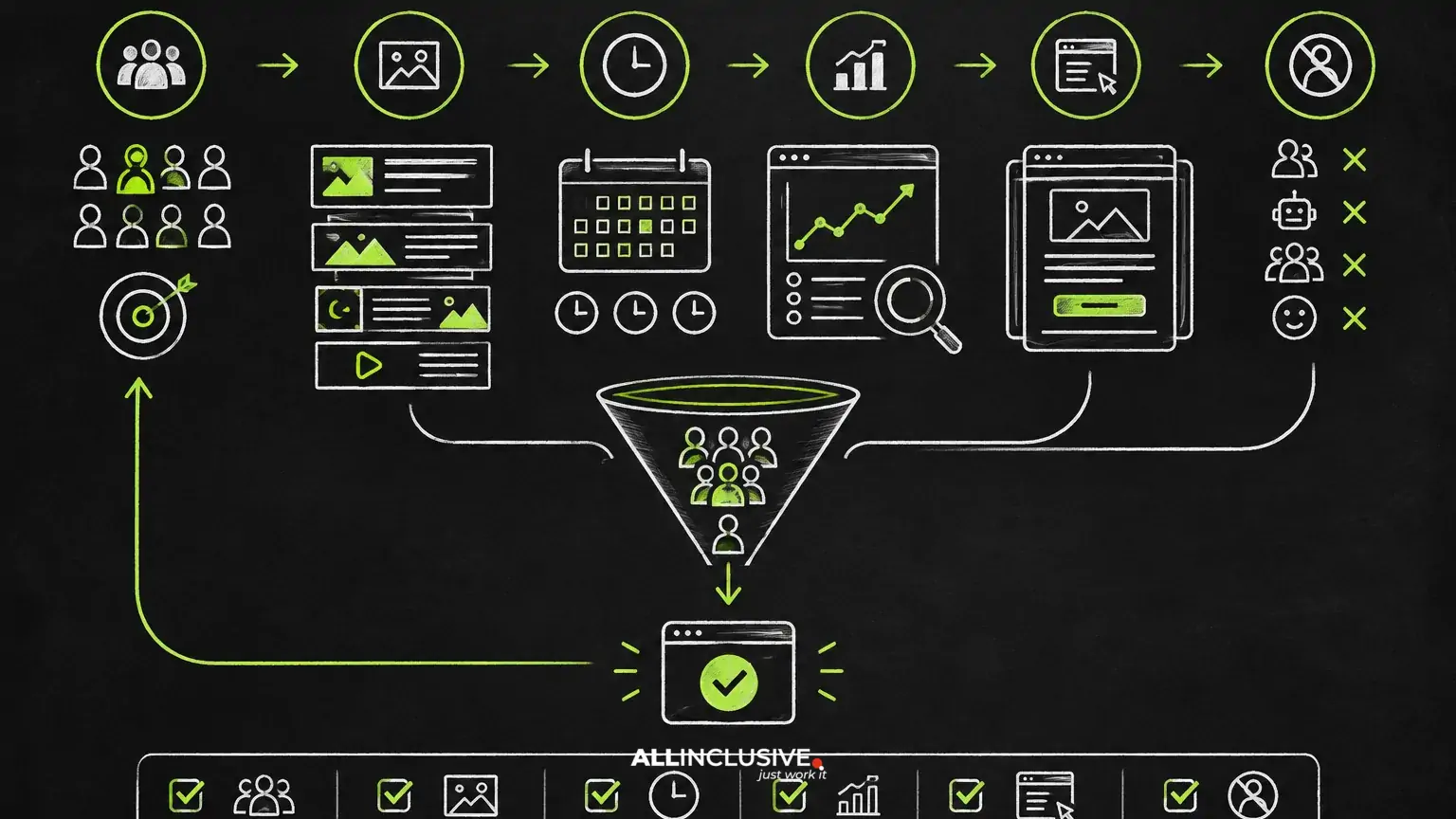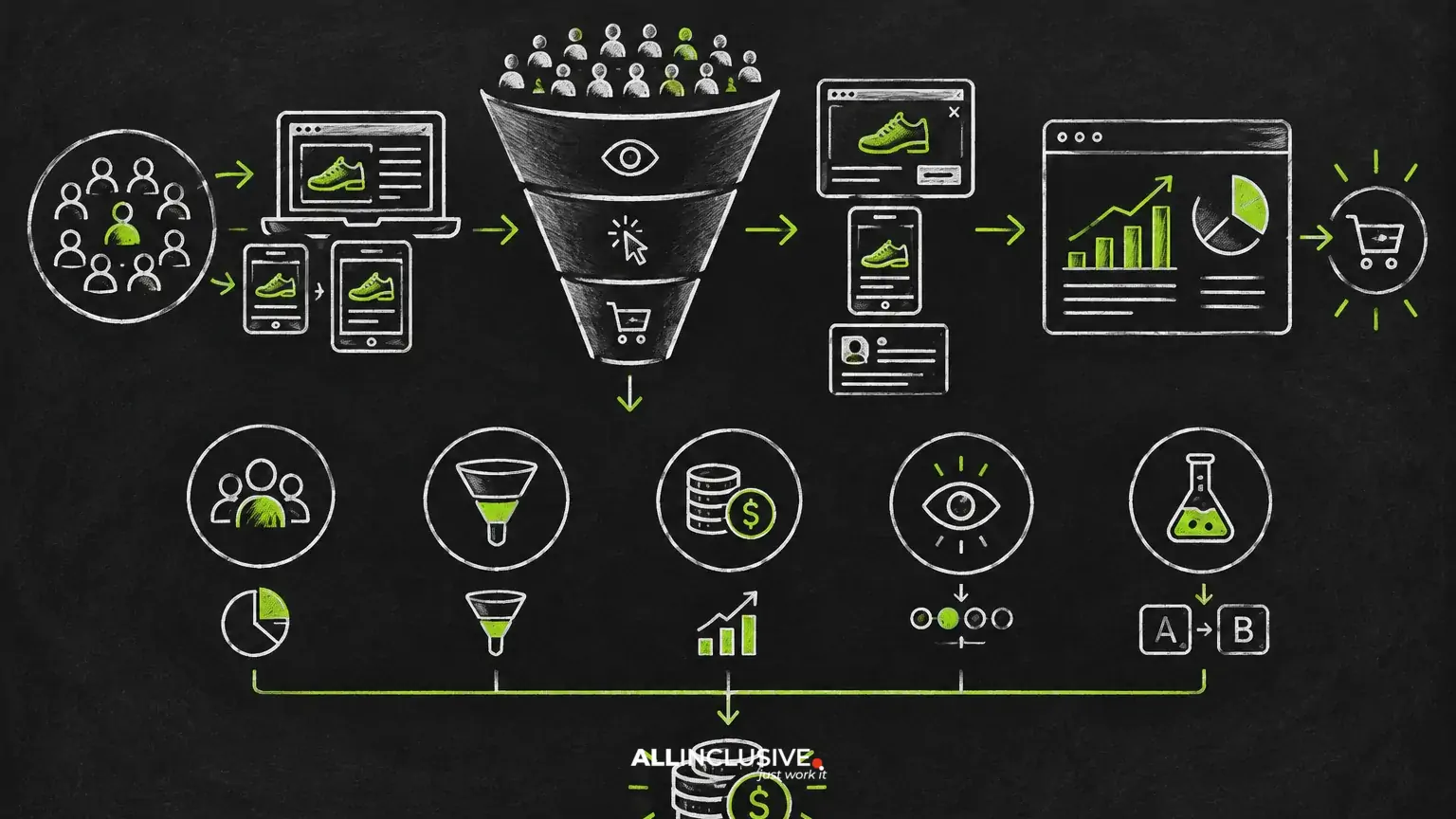
A remarketing budget should be large enough to reach valuable past visitors consistently, but not so large that limited audiences are overexposed or incremental performance is mistaken for demand that would have converted anyway.
There is no universally correct percentage of total paid-media spend to assign to remarketing. A defensible allocation depends on audience volume, buying-cycle length, conversion economics, inventory availability, channel mix, and the quality of your measurement. Start with the amount of qualified audience you can realistically reach, then scale only when marginal results and user experience support additional spend.
What determines a remarketing budget?
Five inputs should shape the initial decision:
- Eligible audience volume: How many recent, consented or otherwise usable users can your chosen platforms reach?
- Audience intent: Did users view a product, request pricing, begin checkout, or merely visit an informational page?
- Conversion value: What is an acceptable acquisition cost or return for each audience segment?
- Decision-cycle length: How long does a prospect typically need before converting?
- Incrementality and measurement: Can you distinguish additional conversions from users who would have converted without an ad?
These inputs matter more than copying a budget ratio from another advertiser. A small, high-intent B2B audience may justify meaningful spend despite limited reach, while a large pool of low-intent content visitors may not.
Use a bottom-up budget model
A practical starting point is a bottom-up model based on reachable audience and expected exposure. The basic logic is:
Estimated spend = reachable audience × desired impressions per user × expected cost per impression
The exact variables will differ by channel, buying method, geography, and campaign settings. The purpose is not to create false precision. It is to identify whether the proposed budget is feasible for the audience available.
For example, imagine a software company with a modest pool of recent pricing-page visitors. It may want to reach those users several times during a two-week consideration window. If the resulting spend estimate is well below the planned budget, increasing the budget will not necessarily create more qualified demand. The campaign may simply bid more aggressively for the same users or deliver more frequently.
For a larger ecommerce audience, the same budget may be insufficient to cover high-value product viewers, cart abandoners, and recent purchasers across several markets. The solution is not automatically to spend more. First prioritize segments and establish which groups can absorb additional reach.
Set budget by audience value, not just recency
Recency is useful, but it should not be the only organizing principle. Build segments according to observable intent and business value.
High-intent audiences
These may include users who viewed pricing, submitted a lead form without completing the next step, started checkout, added an item to a cart, or engaged with a product configuration tool. They usually deserve the strongest early coverage because the potential value per user is higher.
Mid-intent audiences
These users may have viewed several product or service pages, downloaded a substantive asset, attended a webinar, or returned to the site repeatedly. They may need education, proof, comparison content, or a clear next action.
Low-intent audiences
Single-page visitors, short sessions, and broad content audiences can expand reach, but they also create more uncertainty about commercial intent. Keep these groups separate so they do not consume budget intended for users closer to conversion.
A simple allocation method is to fund high-intent segments first, reserve a controlled amount for mid-intent nurturing, and test low-intent expansion only after exclusions, creative, and measurement are working. The proportions should be determined by audience volume and economics rather than a fixed rule.
Connect budget to conversion economics
Budget decisions should reflect what a conversion is worth to the business. For lead generation, consider qualified pipeline value rather than raw form volume. For ecommerce, use contribution margin or another appropriate value measure instead of revenue alone when margins vary significantly.
Useful questions include:
- What is the maximum acceptable cost per qualified lead, opportunity, or purchase?
- How much conversion volume is needed before the data is useful?
- What share of tracked conversions can reasonably be attributed to remarketing?
- Does a short-term return target conflict with a longer B2B sales cycle?
- Are discounts or incentives reducing profitability?
If the campaign generates conversions below the target cost but those conversions are concentrated among users with very high prior intent, investigate whether the ads are adding value or simply receiving credit for existing demand. Budget should follow incremental business impact, not attribution alone.
Choose a starting budget without overcommitting
Launch with a budget that can generate a meaningful test while remaining small enough to change quickly. The right starting amount depends on audience size, channel costs, conversion lag, and the importance of the test relative to the overall media plan.
Before launch, define:
- The test population: Which audience segments and geographies are included?
- The observation window: How long will users remain eligible, and how long will you wait for conversions?
- The primary outcome: Purchase, qualified lead, booked meeting, revenue, or another business metric.
- The spend ceiling: What amount can be invested before the test is reviewed?
- The decision rules: What evidence would justify increasing, reducing, restructuring, or stopping spend?
A test budget should not be judged after only a few days if the buying cycle is long or conversion volume is low. Conversely, do not allow a campaign to spend indefinitely under the assumption that more data will eventually solve poor audience quality or weak creative.
Budget for the full remarketing funnel
Remarketing is not limited to abandoned carts. Different stages may require different messages and levels of investment.
- Re-engagement: Bring recent visitors back with a relevant next step.
- Consideration: Address objections through demonstrations, comparisons, case studies, reviews, or technical detail.
- Conversion: Remove friction for users who have shown strong purchase or lead intent.
- Retention and expansion: Cross-sell, renew, or reintroduce customers where the business model supports it.
Do not combine every stage into one pool if the message, value, or exclusion logic differs. A high-intent conversion segment can be crowded out by a much larger pool of early-stage visitors. Separate budgets or clear bid priorities make it easier to see where the money is working.
Account for frequency and audience saturation
When remarketing audiences are small, budget can create repetition rather than incremental reach. Watch delivery frequency, declining engagement, rising costs, negative feedback, and signs that users are seeing the same message after the offer is no longer relevant.
Frequency is not inherently harmful. A complex purchase may require repeated exposure. The issue is whether repetition contributes to progress. Use a combination of:
- Shorter membership windows for highly time-sensitive actions
- Longer windows for considered purchases, with different creative by stage
- Exclusions after conversion or another meaningful milestone
- Creative rotation based on message purpose, not cosmetic variation alone
- Separate treatment for existing customers and prospects
Platform controls and available settings differ, so confirm implementation details in the relevant channel before relying on them. The strategic principle remains consistent: align exposure with the user’s decision process and stop paying for an audience after its commercial value has materially changed.
Separate prospecting and remarketing budgets
Keeping remarketing distinct from prospecting improves visibility into both reach and performance. If the campaigns share one budget, a platform may favor the audience that is easiest to convert, making it difficult to understand how much investment is reaching new demand.
Separate budgets also support clearer decisions:
- Increase prospecting when qualified remarketing volume is falling.
- Increase remarketing coverage when high-intent users are accumulating without a suitable follow-up.
- Reduce remarketing when the audience is saturated or incremental value is weak.
- Shift spend by funnel stage when one segment consistently meets business goals and another does not.
Use exclusions between campaign types where appropriate. A user who is already in a conversion-focused remarketing audience may not need to receive the same prospecting message.
When should you increase the budget?
Increase spend only when there is evidence of available capacity. Positive signals include:
- The campaign is reaching only part of the priority audience.
- Additional spend produces incremental reach rather than sharp repetition.
- Conversion quality remains stable as delivery expands.
- Frequency and engagement remain acceptable for the audience and offer.
- Landing pages, sales follow-up, tracking, and consent processes can handle more volume.
Scale gradually enough to identify whether performance changes are caused by budget, audience expansion, creative fatigue, seasonality, or measurement noise. A sudden increase can push delivery into less qualified inventory or make comparisons with the prior period less useful.
When should you reduce or reallocate spend?
Reduce or redirect budget when the campaign is reaching the same people repeatedly, conversions are not progressing beyond low-value actions, or reported efficiency depends on users who were already close to converting. Also review spend when:
- Audience membership has declined because traffic or consent volume changed.
- Creative no longer matches the user’s current stage.
- Conversion tracking is incomplete or delayed.
- Lead quality has deteriorated despite stable reported volume.
- Exclusions are missing, causing ads to reach converters or irrelevant users.
Reallocation may mean moving funds from low-intent visitors to product viewers, from one market to another, or from conversion ads to educational creative. It may also mean reducing spend temporarily while the audience or measurement setup is repaired.
Measurement checks before changing the budget
Budget decisions are only as reliable as the data behind them. Review the following before interpreting performance:
- Are conversion events defined consistently across campaigns?
- Are duplicate leads, test transactions, or unqualified actions included?
- Are view-through and click-through interactions being interpreted appropriately?
- Are attribution windows suitable for the buying cycle?
- Can CRM or backend data validate lead quality and revenue?
- Are consent, privacy, and regional requirements being handled appropriately?
For a deeper implementation review, see our remarketing campaign audit. If your program relies on product feeds and catalog-based messaging, the dynamic remarketing guide covers how audience, feed, and creative decisions interact.
A practical budget decision framework
Use this sequence for quarterly planning or a new campaign launch:
- Estimate reachable audience: Segment by intent, recency, geography, device, and customer status where relevant.
- Estimate required coverage: Decide how much of each priority audience should be reached during its useful window.
- Set economic thresholds: Define acceptable costs and value measures before launch.
- Fund the highest-value segments: Start with audiences where the expected business value and message fit are strongest.
- Reserve test capacity: Allocate a controlled amount for creative, window, offer, or audience experiments.
- Monitor marginal performance: Evaluate what additional spend contributes, not only the campaign average.
- Reallocate deliberately: Move budget when reach, quality, frequency, or incrementality evidence changes.
Use your broader remarketing strategy to define audience architecture, messaging, exclusions, and measurement. This budget framework then turns those strategic choices into a controlled investment plan. For context on how remarketing fits within a wider acquisition program, explore our paid media resource.
Remarketing Budget: What to Prioritize
The best remarketing budget is not a universal share of media spend. It is the amount that can reach a defined, valuable audience with appropriate frequency while meeting economic and incremental-performance standards.
Begin with audience capacity and business value. Separate intent levels, protect high-value segments, measure quality beyond platform-reported conversions, and increase spend only when additional delivery creates additional opportunity. That approach keeps remarketing useful as a performance channel rather than allowing it to become an expensive reminder to people who were already going to convert.