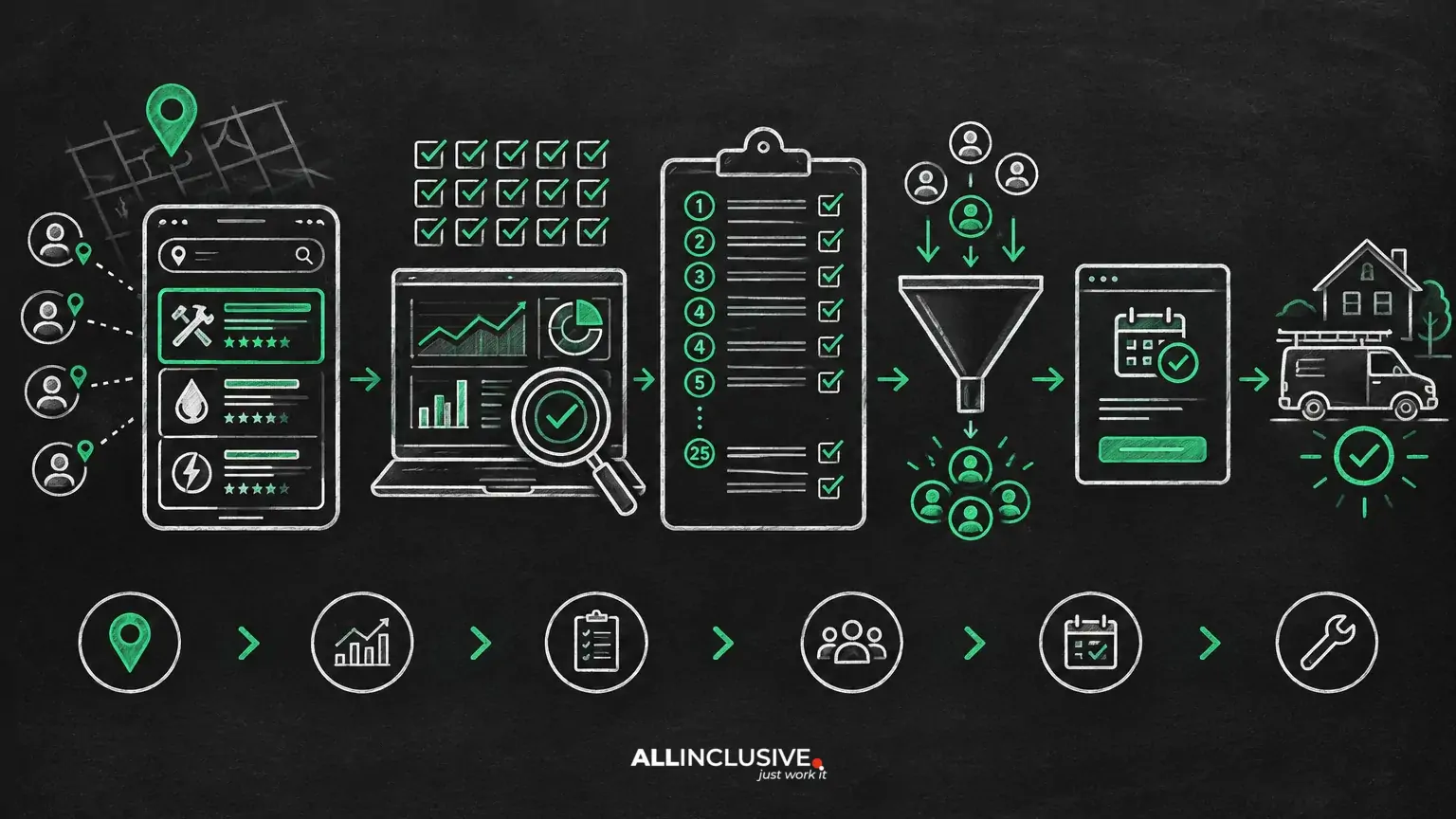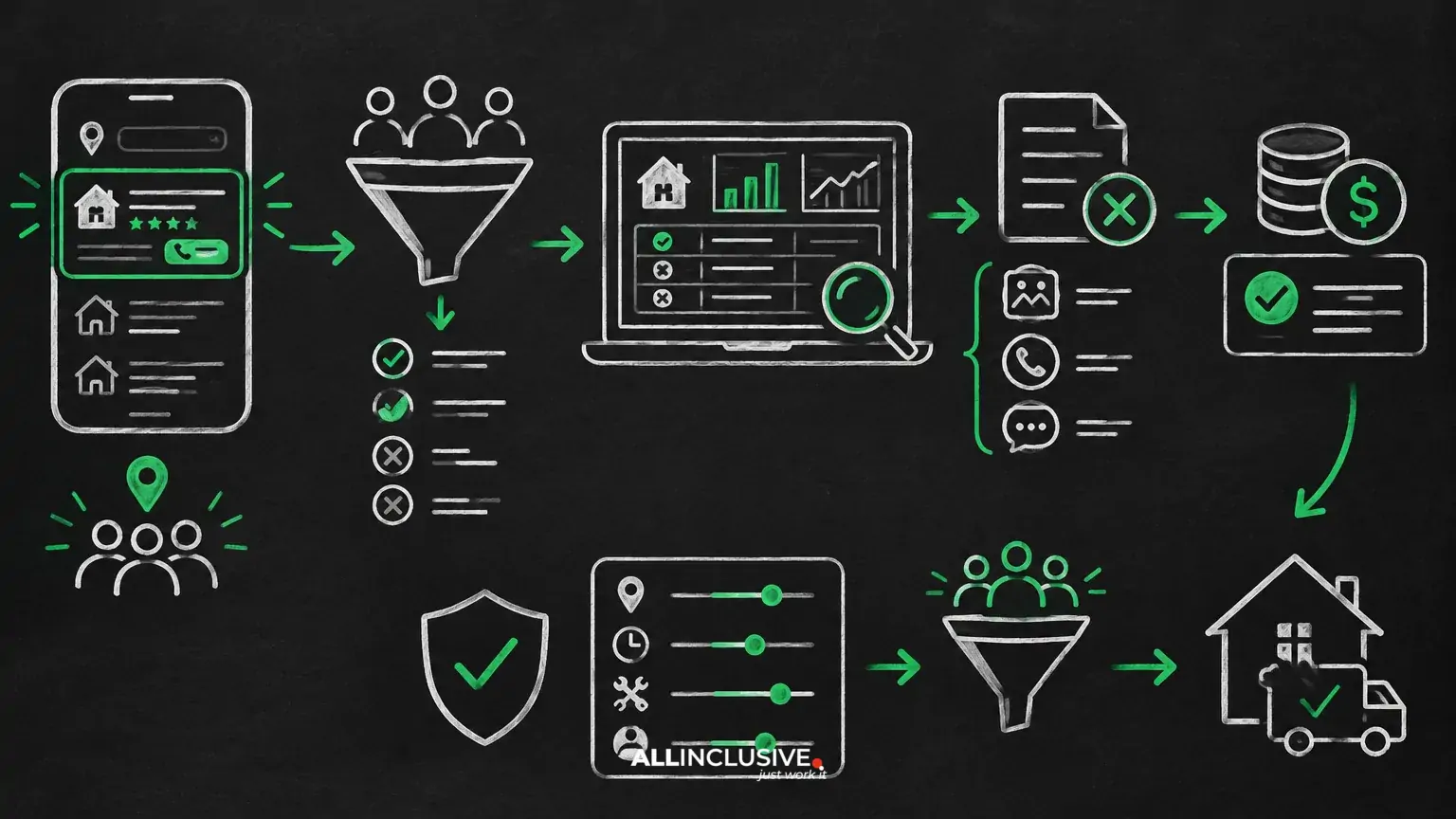
Local Services Ads lead disputes usually come down to one question: does the inquiry meet the platform’s definition of a valid lead? Businesses should not treat every unwanted call or message as automatically creditable. Instead, evaluate the lead against the applicable program rules, preserve evidence, submit a clear dispute, and use recurring patterns to improve targeting and budget decisions.
This process matters because lead volume alone does not show whether Local Services Ads are working. A campaign can generate calls while producing limited opportunities, duplicate inquiries, existing-customer requests, spam, or contacts outside the business’s service scope. A disciplined dispute process helps separate genuine demand from lead-quality problems without confusing platform mechanics with broader marketing strategy.
What counts as a lead dispute?
A lead dispute is a request for the platform to review a charge or lead that a business believes should not count under the applicable Local Services Ads terms or policies. The exact eligibility criteria, review process, and available outcomes can change, so businesses should verify current requirements in their account and official platform documentation.
Common reasons for review may include:
- Spam, robocalls, or obviously fraudulent inquiries.
- Duplicate leads or repeated contacts that appear to represent the same opportunity.
- Requests for services the business does not offer.
- Contacts outside the configured service area, where location eligibility is clear from the inquiry.
- Wrong numbers, misdials, or calls with no meaningful business purpose.
- Existing customers contacting the business for a matter unrelated to a new service opportunity, where the program’s rules make that distinction relevant.
Not every poor outcome is necessarily an invalid lead. A legitimate prospect who does not answer a callback, chooses another provider, asks for a quote, or has a small budget may still be a valid inquiry. Dispute decisions should therefore be based on documented facts rather than whether the lead eventually became revenue.
Separate lead quality from business outcome
The most important diagnostic step is to distinguish an invalid contact from a valid but unproductive opportunity. Consider these three categories:
Clearly questionable contact
The caller reaches the wrong business, asks for an unrelated service, uses obviously automated language, or provides details that indicate a duplicate or fraudulent inquiry. These cases may justify review, subject to the current platform criteria.
Valid inquiry with weak fit
The person requests a service the business offers but is outside the preferred budget, timing, property type, or customer profile. This is a sales or targeting issue, not automatically a billing dispute.
Valid inquiry with poor follow-up outcome
The business misses the call, responds too slowly, fails to qualify the prospect, or cannot schedule the work. The lead may still be legitimate. The appropriate response is operational improvement, not necessarily a credit request.
This distinction protects reporting quality. If every lost opportunity is treated as invalid, cost-per-lead and return calculations become misleading, and the business loses visibility into sales-process problems.
How to evaluate a disputed lead
Use a consistent review checklist before submitting a dispute. The goal is to create a factual record that another reviewer can understand without reconstructing the entire account history.
- Confirm the lead identifier. Record the date, time, source, contact details available in the account, and any reference number associated with the inquiry.
- Review the interaction. Listen to the call recording where available, inspect message content, and check whether the contact connected with the intended business.
- Classify the issue. Mark the lead as potential spam, duplicate, wrong number, outside scope, unrelated service, existing-customer matter, or another specific category.
- Compare the inquiry with account settings. Check service categories, hours, service areas, and business information. Do not assume that a lead is invalid merely because it is inconvenient.
- Document objective evidence. Note exact statements, repeated phone numbers, timestamps, caller behavior, or the service requested. Avoid emotional descriptions such as “terrible lead” without supporting facts.
- Check for prior submissions. Duplicate requests can create confusion and may weaken the record if the same issue is submitted repeatedly without new information.
What evidence should businesses preserve?
Evidence should be concise, relevant, and tied to the reason for review. Useful records can include:
- Call recordings or transcripts, where available and legally permitted.
- Message content, email notifications, or screenshots showing the request.
- CRM notes identifying the service requested and the outcome of the first contact.
- Dates and times of attempted callbacks.
- Duplicate contact details or repeated inquiry patterns.
- Notes showing why the requested service was outside the business’s stated offering or geographic coverage.
Maintain a lead-quality log that uses a stable set of dispositions. For example, “valid—quote requested,” “valid—no answer,” “invalid—wrong number,” and “review—duplicate” are more useful than free-form comments. The log should support both individual disputes and broader campaign analysis.
Practical rule: document what happened, not what you hoped the lead would become.
How to submit a stronger dispute
A credible dispute is specific and easy to verify. Lead with the reason for review, identify the relevant evidence, and explain the mismatch between the inquiry and the applicable criteria. Keep the description neutral.
For example, instead of writing “This was a bad lead,” write: “The caller requested appliance repair, while the business profile and selected services are limited to residential plumbing. The call recording identifies the requested service and the caller did not request plumbing work.” The second version gives a reviewer a clear issue and a path to verification.
Businesses should use the dispute workflow available in their Local Services Ads account or the current support process described by the platform. Avoid relying on outdated screenshots or third-party instructions because interfaces and eligibility rules can change. Save the submission date, case number, decision, and any follow-up response.
What happens after a dispute?
Possible outcomes depend on the platform’s current policies and the facts available for review. A request may be accepted, rejected, or require additional information. A rejected request does not necessarily prove the lead was commercially valuable; it may simply mean the available evidence did not meet the review standard or the issue was outside the credit policy.
Track decisions by reason, category, and source. If one type of dispute is repeatedly rejected, reassess whether the problem is actually targeting, qualification, or follow-up. If a recurring issue appears across multiple leads, escalate through the appropriate support channel with a concise pattern summary rather than a collection of unrelated complaints.
Credits are not a substitute for lead-quality management
Dispute activity should sit inside a broader lead-management process. Businesses need visibility from inquiry through booked job, revenue, cancellation, and customer quality. Local Services Ads reporting can help organize the paid-media side of that analysis, while a CRM or call-tracking system may be needed for downstream outcomes.
Review the following measures together:
- Total leads by service category and location.
- Valid-lead rate based on a consistent internal definition.
- Speed to answer and speed to first response.
- Contact rate and appointment-booking rate.
- Estimate, job, revenue, and cancellation outcomes.
- Dispute volume, dispute reasons, and decisions.
A lead that is valid but repeatedly unbooked may indicate weak intake scripts, limited availability, pricing friction, or a mismatch between the selected category and the business’s preferred work. For additional context on performance measurement, see Local Services Ads reporting.
Preventing avoidable lead-quality problems
Keep business information precise
Review services, service areas, business hours, phone routing, and profile descriptions regularly. Overbroad or outdated information can create expectation gaps and increase irrelevant inquiries.
Use a defined intake process
Train staff to ask the same core questions: requested service, location, urgency, property type, and preferred timing. Consistent qualification improves both customer experience and the quality of internal dispute records.
Respond quickly and consistently
Some apparent lead-quality problems are missed-contact problems. Route calls correctly, monitor after-hours handling, and create a callback process for unanswered inquiries. A legitimate lead that receives no response cannot be evaluated fairly from the campaign report alone.
Review category and bidding decisions separately
Lead disputes identify individual contacts; they do not automatically determine whether a campaign should receive more or less budget. Category selection, bidding approach, capacity, and acceptable acquisition cost require a separate business decision. Businesses comparing control options can review Local Services Ads bidding for a related discussion.
A practical operating cadence
For smaller businesses, a weekly review may be sufficient. Larger teams may need daily triage and a weekly trend report. At minimum, assign responsibility for four actions:
- Daily: review new inquiries, record outcomes, and flag obvious quality issues.
- Weekly: submit eligible disputes, reconcile account records with the CRM, and identify repeated reasons.
- Monthly: compare valid-lead rate, booked work, revenue, and dispute decisions by category and location.
- Quarterly or after major changes: review profile information, service coverage, staffing capacity, call routing, and campaign strategy.
Set an internal deadline for evidence collection. Call recordings, caller details, and staff recollections become harder to verify as time passes. A simple shared log is often more valuable than an elaborate dashboard that nobody maintains.
Questions to ask before requesting a credit
- Is the issue connected to a published or current review criterion?
- Can the claim be supported by a recording, message, timestamp, or account detail?
- Was the inquiry actually outside the advertised service, area, or business scope?
- Could the outcome instead be explained by missed calls, slow follow-up, or weak qualification?
- Has this lead already been submitted for review?
- What operational change would prevent similar confusion?
The answers help businesses avoid two costly extremes: ignoring genuine lead-quality problems and disputing every lead that fails to become a sale.
Local Services Ads Lead Disputes and Credits: Decision Summary
Effective local service ads lead disputes rely on evidence, consistency, and realistic classification. Businesses should review the actual interaction, distinguish invalid contacts from valid but unsuccessful opportunities, submit precise requests through the current account workflow, and track decisions over time. The larger objective is not simply to obtain credits. It is to improve the connection between targeting, inquiry handling, sales follow-up, and profitable work.
For a broader view of how Local Services Ads fit within acquisition planning, explore the Local Services Ads pillar and the wider paid media hub.