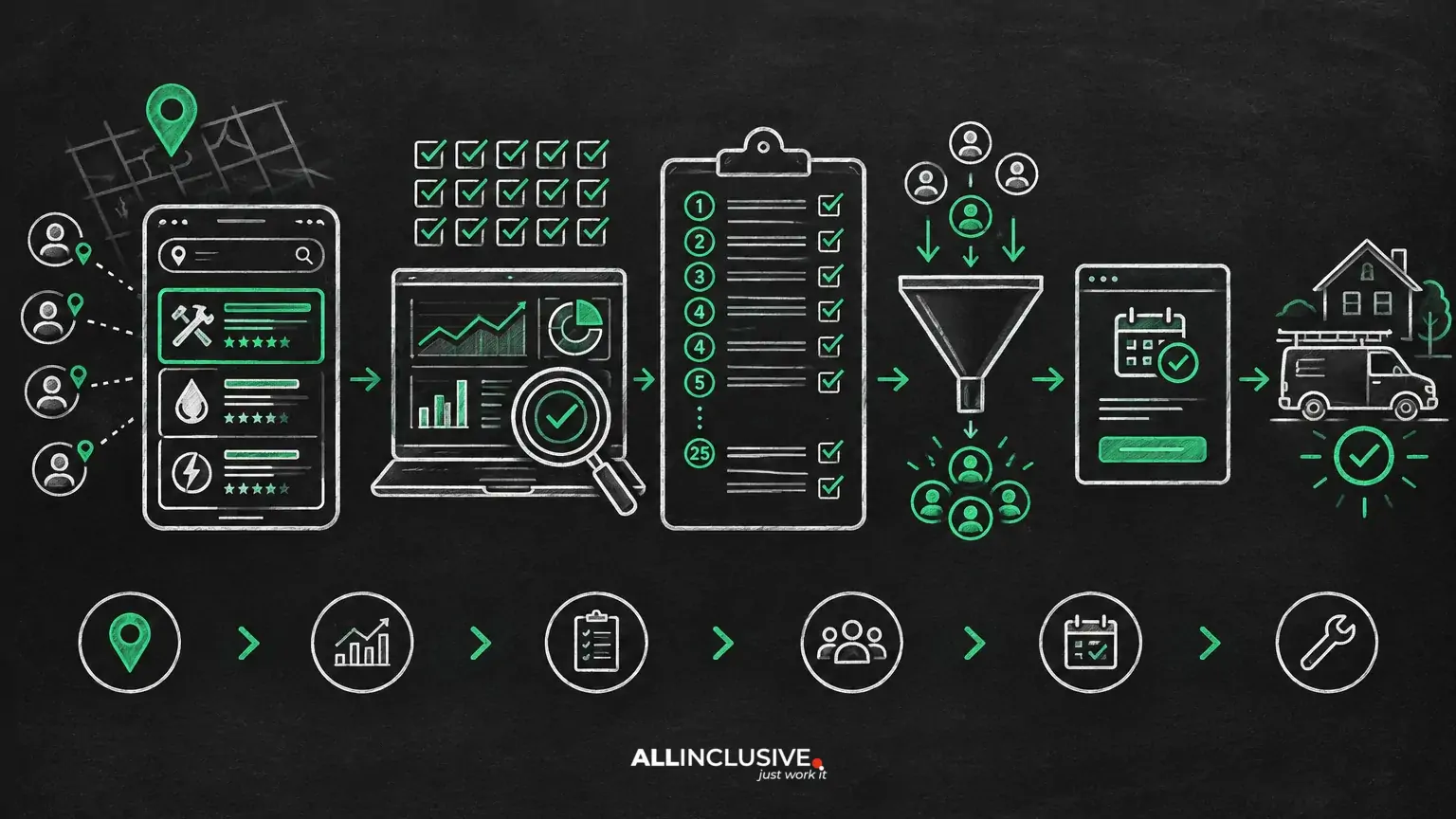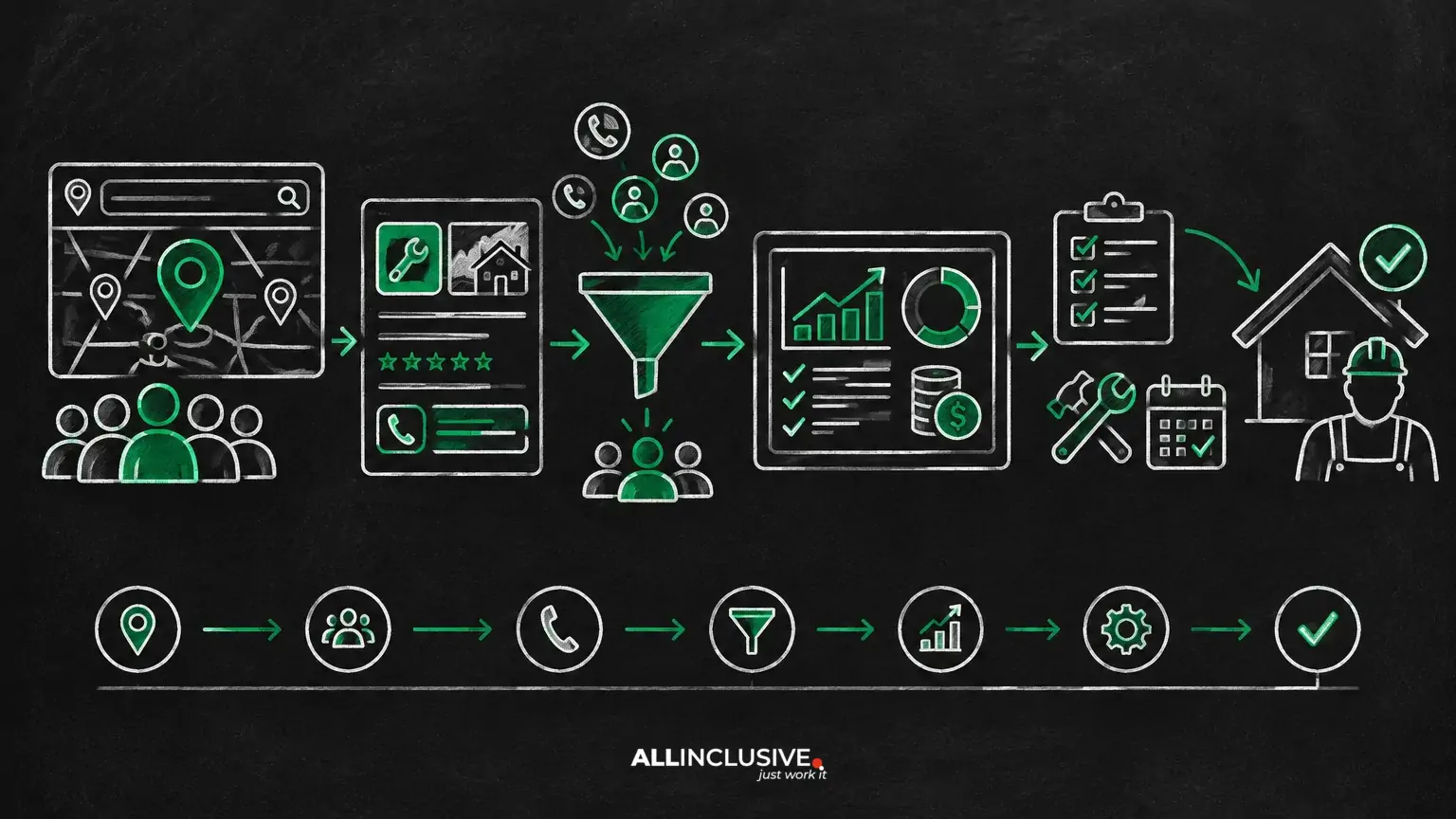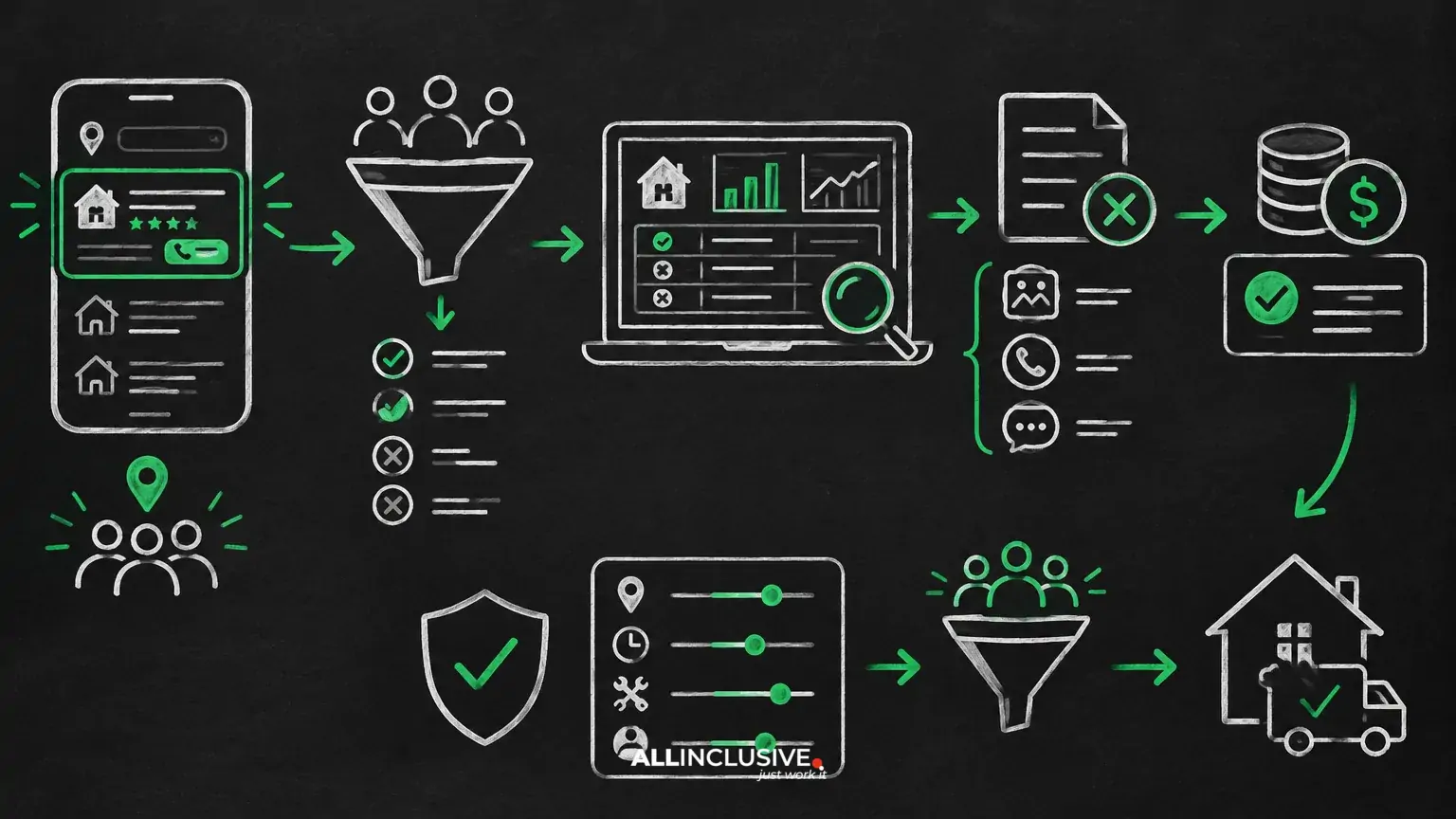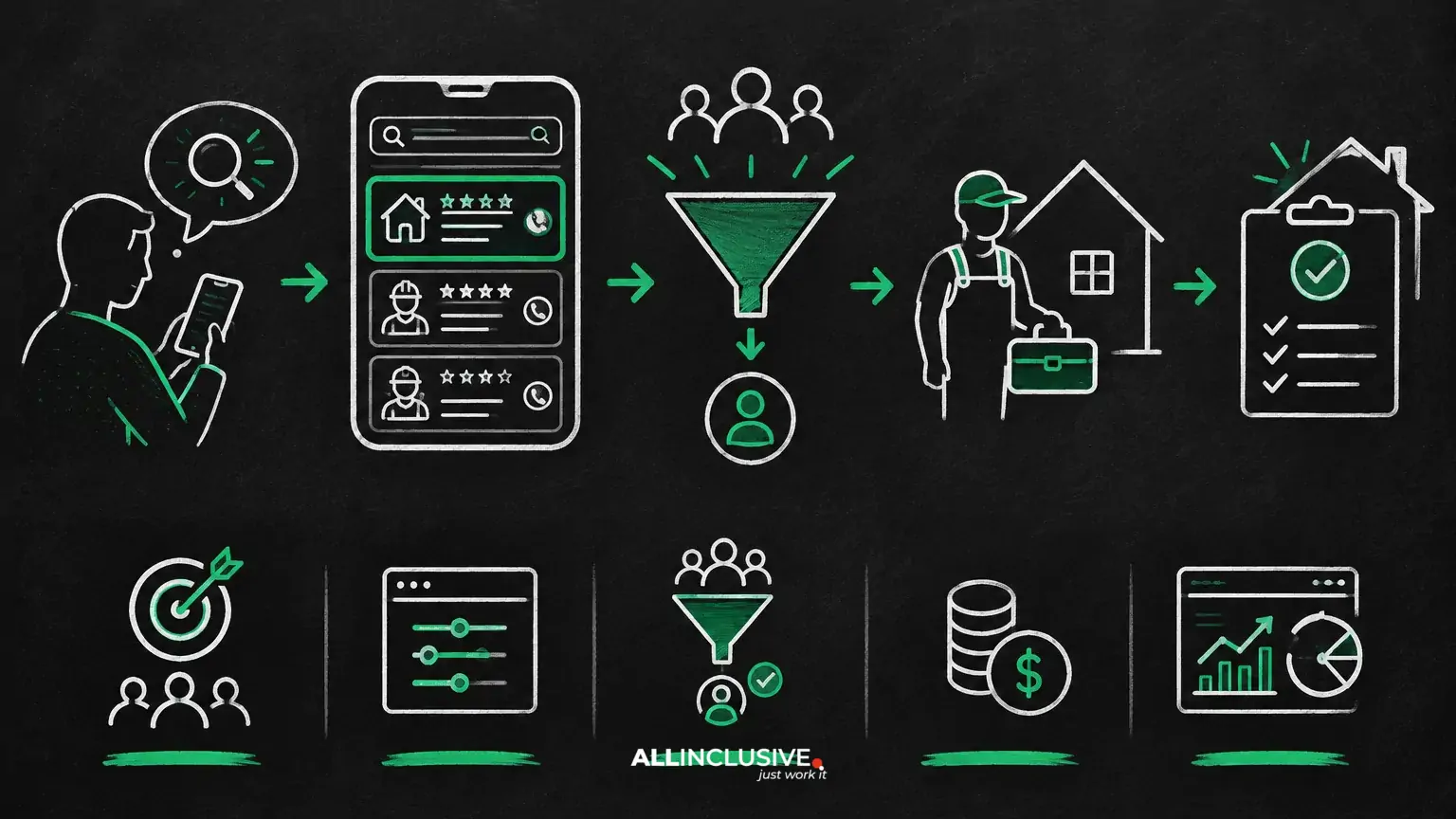
Local service ads vs google ads is not a choice between a good channel and a bad one. It is a choice between two different ways of capturing demand. Local Services Ads are designed to connect eligible local businesses with people seeking a service, while Google Ads offers broader control over keywords, messaging, landing pages, audiences, and the customer journey.
For many businesses, the right answer is not either-or. Local Services Ads can help capture high-intent local enquiries, while Google Ads can expand coverage, promote specific services, and give the marketing team more control over qualification and measurement. The best mix depends on service eligibility, geographic coverage, lead economics, operational capacity, and how much control the business needs.
The short answer: when to use each channel
- Choose Local Services Ads first when your business is eligible, serves defined local areas, and wants enquiries from people actively looking for a service provider.
- Choose Google Ads first when you need control over search terms, ad copy, landing pages, campaign structure, audiences, or services that are not supported by Local Services Ads.
- Use both when you have enough demand and operational capacity to respond quickly, and each channel has a distinct role in the acquisition plan.
The decision should be based on qualified opportunities and profitable customers, not simply the lowest visible cost per lead. A channel that generates inexpensive but poorly matched enquiries can be less valuable than one with a higher apparent acquisition cost and stronger close rates.
What makes Local Services Ads different?
Local Services Ads sit close to the point of service selection. The user is typically looking for a local provider for a defined need, so the advertising experience emphasizes the business profile, service category, location, trust signals, and a direct path to contact.
The main strategic advantage is proximity to high commercial intent. Instead of building a full keyword-to-landing-page journey, the advertiser competes for visibility within an environment designed around local service enquiries. Depending on the market and account setup, contact options and lead handling can vary, so the business should validate current platform availability and requirements before planning around a specific feature.
Local Services Ads are generally most useful for businesses that:
- Provide a service in a defined geographic area.
- Operate in an eligible category and market.
- Can answer calls or respond to enquiries consistently.
- Have a process for disputing, qualifying, routing, and following up on leads.
- Can measure whether enquiries become booked appointments, estimates, or customers.
The tradeoff is reduced control compared with a fully managed Google Ads search campaign. Advertisers may have less flexibility over exact keyword targeting, ad formats, landing-page testing, and the structure of the auction. That makes operational discipline especially important: accurate service categories, correct service areas, credible profile information, and fast follow-up all influence the value of the channel.
What makes Google Ads different?
Google Ads provides a broader campaign framework for capturing demand across search and, where appropriate, other campaign types. For local service businesses, search campaigns can be structured around specific services, problems, locations, urgency, or customer segments.
That control creates more strategic options. You can decide which search themes to prioritize, write different messages for different services, send users to relevant landing pages, apply location settings, and separate brand, non-brand, emergency, research, and high-value searches. The exact controls available depend on campaign type, account configuration, market, and ongoing platform changes, so campaign design should be based on the current interface and policy environment.
Google Ads is often the stronger fit when you need to:
- Promote services outside Local Services Ads eligibility.
- Separate campaigns by service line, margin, urgency, or location.
- Test offers, calls to action, landing pages, and qualification language.
- Build demand around specialized or less standardized services.
- Connect advertising data to a deeper conversion and revenue measurement system.
The tradeoff is management complexity. Broad targeting, loose conversion definitions, weak search-term controls, or generic landing pages can create wasted spend. Google Ads rewards deliberate structure and regular optimization rather than simply turning on a campaign and waiting for leads.
Local Services Ads vs. Google Ads: the practical comparison
Intent and user journey
Both channels can reach people with commercial intent, but the user journey differs. Local Services Ads are built for a relatively direct provider-selection journey. Google Ads can capture that same demand, but it can also reach users earlier in their research or users searching for a very specific service, problem, or solution.
If the primary goal is immediate local enquiries for a clearly defined service, Local Services Ads may be a natural starting point. If the business needs to educate prospects, differentiate a complex offer, or route users to specialized pages, Google Ads provides more room to shape the journey.
Control and flexibility
Google Ads generally offers greater control over campaign architecture, ad messaging, search themes, landing pages, audiences, and testing. Local Services Ads typically offer a more standardized local lead experience.
More control is not automatically better. It also creates more opportunities for poor setup. A business with limited marketing resources may benefit from the simpler structure of Local Services Ads, provided it can manage lead quality and follow-up effectively.
Lead quality
Lead quality is determined by the match between the user, the service, the location, the timing, and the business’s ability to respond. Neither channel guarantees qualified customers.
For Local Services Ads, review the accuracy of the service categories and service area, then assess whether incoming enquiries fit the jobs you want. For Google Ads, use tightly aligned keywords, negative keyword management, clear landing-page qualification, and conversion tracking that distinguishes a real sales opportunity from a low-value action.
Do not compare channels using lead volume alone. Track at least:
- Valid enquiry rate.
- Booked appointment or estimate rate.
- Contact rate and response time.
- Close rate by service and source.
- Revenue or gross profit from acquired customers.
- Cost per qualified opportunity and cost per customer.
Budget and bidding
The budget model differs between the channels, and current platform settings can change. Treat any published interface labels or billing mechanics as subject to verification in the live account.
For planning purposes, start with business economics rather than a platform recommendation. Estimate the maximum acceptable acquisition cost from average gross profit, close rate, repeat value, and capacity. Then set a test budget large enough to generate meaningful learning without committing spend the operation cannot support.
Local Services Ads budget planning should account for lead flow and response capacity. Google Ads planning should account for auction competition, keyword coverage, landing-page conversion, and the cost of testing different service segments. A useful framework is covered in Local Services Ads budget planning, but the same commercial discipline should apply to both channels.
Measurement and attribution
Measurement is often the deciding factor. Local Services Ads may produce calls or messages that require careful reconciliation with the CRM, phone system, booking platform, or offline sales records. Google Ads can support more detailed conversion architecture, but that does not make measurement automatic.
Define the conversion hierarchy before launch:
- Primary business outcome: a sale, signed job, completed appointment, or other revenue event.
- Qualified opportunity: an enquiry that matches service, location, timing, and commercial fit.
- Lead action: a call, form submission, or message.
- Engagement signals: page views, clicks, or other supporting actions.
Optimize decisions around the highest reliable level in that hierarchy. If revenue data is delayed, use qualified opportunities as an interim signal and reconcile it with closed business regularly.
When Local Services Ads should come first
Start with Local Services Ads when the business has a clear local service category, strong availability in its target area, and a reliable process for answering and qualifying enquiries. This is especially compelling when the main customer behavior is “find a provider now” rather than “research a complicated solution.”
Before launch, confirm:
- The business and service category are currently eligible in the intended market.
- The advertised service area reflects actual operating coverage.
- Profile information and trust signals are accurate and current.
- Calls and messages can be handled during the hours advertised.
- Staff know how to qualify enquiries and record outcomes.
Then review performance by job type, location, time of day, and lead outcome. If a channel produces demand the business cannot serve, increasing spend is not a growth strategy.
When Google Ads should come first
Google Ads should usually lead when the business needs precise control or when Local Services Ads do not cover the offer. Examples include specialized B2B services, multiple service tiers, new offerings that require explanation, national or cross-regional demand, and services with materially different margins.
Build the account around commercial decisions rather than administrative convenience. Separate campaigns or ad groups when the search intent, economics, landing page, or sales process is meaningfully different. Use dedicated pages that make the service, location, fit, proof, and next step clear.
For broader paid-media planning, see the Allinclusive paid media hub. The objective is not maximum platform activity; it is a measurable path from relevant demand to profitable customer acquisition.
When using both channels makes sense
A combined approach can work when the channels serve distinct purposes. Local Services Ads can cover direct, high-intent local provider searches, while Google Ads can support specialized services, targeted offers, location expansion, branded protection, or demand that needs more explanation.
Prevent overlap from becoming confusion. Use a shared naming system, consistent service-area definitions, source tracking, and a single lead-status vocabulary. Compare outcomes on a common basis, such as cost per qualified opportunity and cost per customer, rather than comparing platform-reported leads with CRM-validated sales without reconciliation.
Also check operational capacity. Two acquisition channels can create more enquiries without creating more fulfilled work. Establish routing rules, response-time ownership, and an escalation process before increasing budgets.
A decision framework for your next 30 days
- Define the economic target. Calculate the maximum acceptable cost per customer and qualified opportunity from actual margins and close rates.
- Map service eligibility and demand. Identify which services are suitable for Local Services Ads and which require Google Ads control.
- Audit capacity. Confirm coverage, call handling, sales follow-up, and fulfilment capacity by location and service.
- Choose one primary job for each channel. Avoid sending the same broad objective to both platforms without a measurement plan.
- Install outcome tracking. Capture source, service, location, lead status, appointment, revenue, and lost-lead reason.
- Review quality before scaling. Pause or refine demand that is outside scope, then increase investment only where downstream performance supports it.
For businesses comparing Local Services Ads with organic visibility, the decision is different again: paid lead capture and local SEO can complement one another rather than replace one another. See Local Services Ads vs. Local SEO for that comparison.
Local Services Ads vs. Google Ads: Decision Summary
Local Services Ads are a strong option for eligible local businesses that want to capture direct service demand with a relatively focused provider-selection experience. Google Ads is the stronger option when control, specialization, testing, and broader demand capture matter more.
The right choice is the channel that produces qualified, economically viable customers within the limits of the operation. Start with service eligibility, customer intent, lead handling, and measurement. Then assign each channel a clear role and judge it by business outcomes—not by impressions, clicks, or lead volume alone.
For broader strategic context, see our Local Services Ads resource.