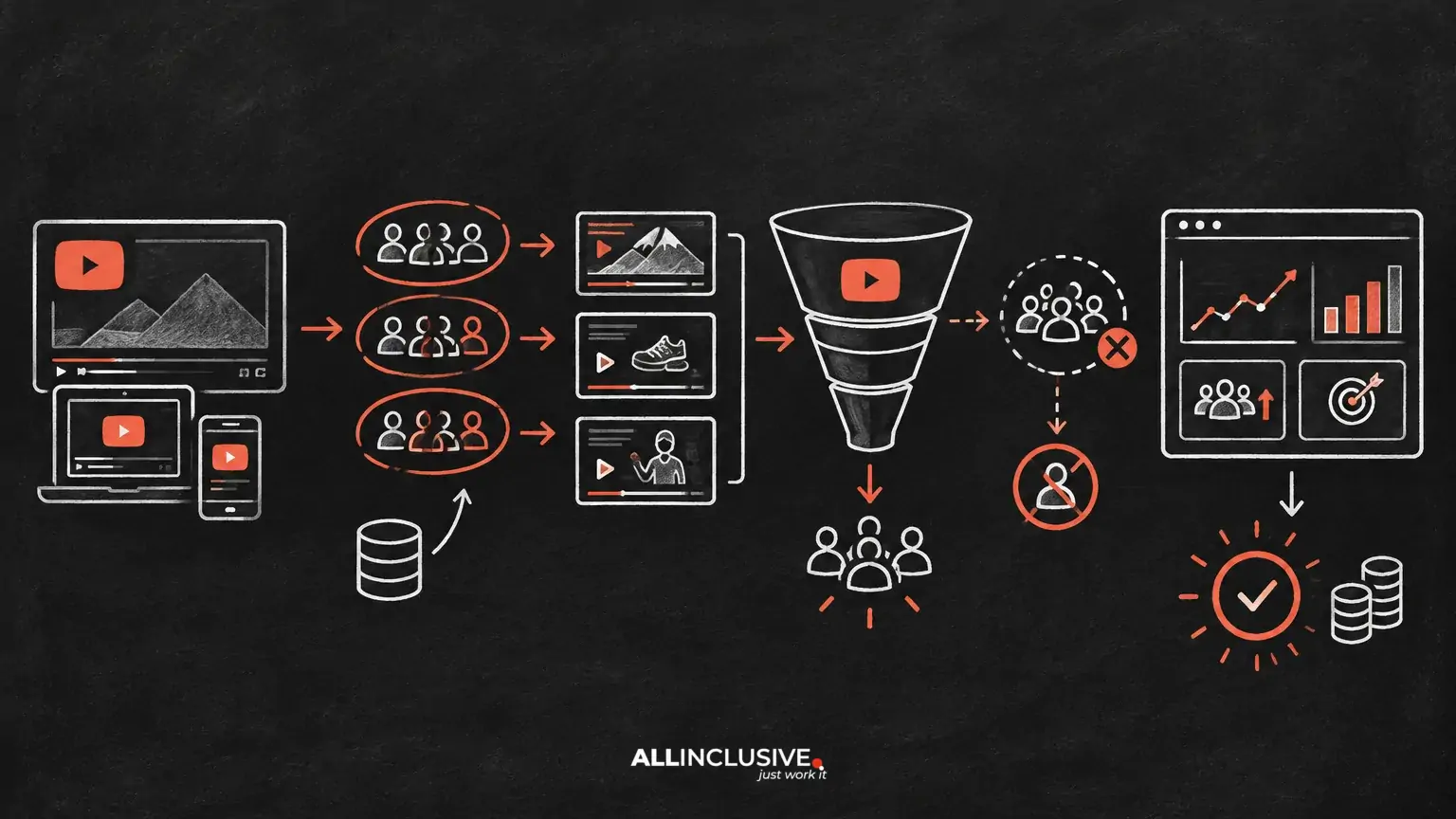
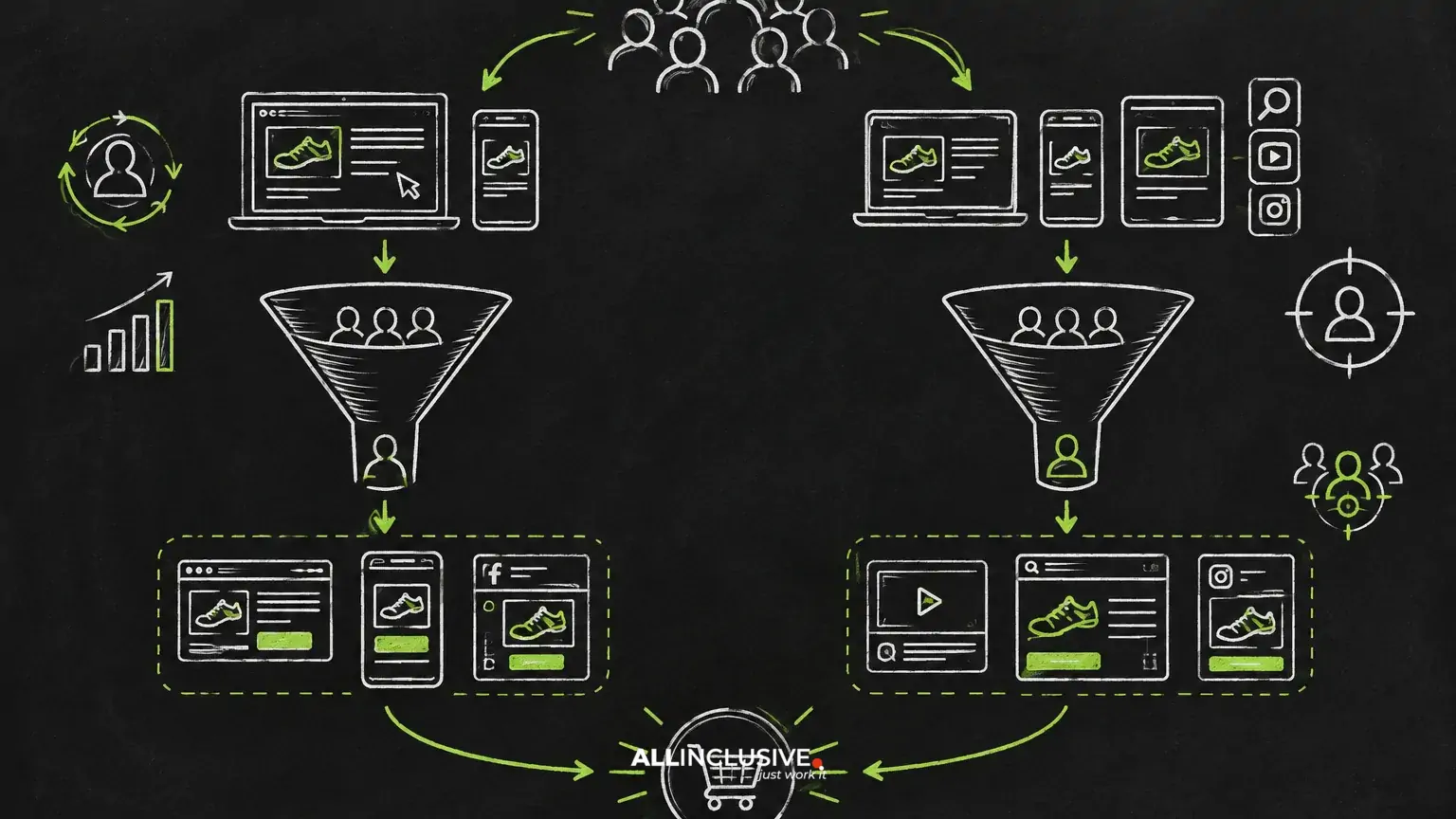
Remarketing with customer lists lets you reconnect with people who already have a relationship with your business. Instead of relying only on site visits or anonymous browser activity, you can use permissioned first-party information—such as email addresses or phone numbers—to help advertising platforms identify eligible users and deliver more relevant follow-up messages.
The strategic value is straightforward: customer lists can support retention, cross-sell, lead nurturing, reactivation and account-based campaigns. The operational challenge is using them responsibly. Strong programs depend on data quality, valid consent, clear audience definitions, sensible exclusions and messaging that reflects what the customer has already done.
What customer-list remarketing is—and what it is not
Customer-list remarketing uses first-party identifiers supplied by your organization to create an advertising audience. The platform generally handles matching through its own privacy and eligibility processes; advertisers should not assume that every uploaded record will match or become addressable.
This approach is different from several related tactics:
- Site-based remarketing: builds audiences from visits or interactions with your website or digital properties.
- GA4-based audiences: use analytics events and user behavior to define segments. See our guide to GA4 remarketing audiences.
- Customer-list remarketing: starts with known first-party records, such as subscribers, leads, customers or account contacts.
- Contextual or prospecting campaigns: reach people based on content, interests, signals or modeled characteristics rather than an existing customer relationship.
These methods can work together, but they answer different questions. A customer list helps you define who already has a relationship with the business. Behavioral audiences help define what someone has recently done. The best segmentation often combines both concepts in the underlying CRM or activation plan without treating them as interchangeable.
Start with a business decision, not an upload
A customer list is not a strategy by itself. Before preparing a file, decide what business outcome the audience should support and what action you want the recipient to take.
Common use cases include:
- Lead nurturing: follow up with prospects who requested information but have not reached a sales milestone.
- Customer expansion: introduce complementary products, services or higher-value plans to existing customers.
- Renewal support: coordinate paid messaging with upcoming renewal windows or changes in account status.
- Reactivation: give inactive customers a relevant reason to reconsider the brand.
- Event promotion: invite known prospects or customers to a webinar, conference or product session.
- Suppression: exclude current customers, converted leads, employees or other groups from campaigns where continued exposure would be wasteful or inappropriate.
Each use case requires different membership rules, creative and measurement. For example, a list of open opportunities should not receive the same message as a list of customers whose contracts are nearing renewal.
Build useful segments from the customer lifecycle
The strongest customer-list programs use business meaning rather than a single undifferentiated “all contacts” audience. Segment according to factors that change the message, offer, timing or acceptable frequency.
Lifecycle stage
Separate subscribers, marketing-qualified leads, sales-accepted leads, open opportunities, customers, former customers and partners where those distinctions affect communication. A person who has requested a sales consultation should not be treated like someone who only downloaded an introductory guide.
Product or service relationship
Use current product ownership, plan type, service category or solution interest to make cross-sell and education more relevant. Exclude products the customer already owns when the campaign is intended to acquire new users.
Recency and engagement
Consider the age of the record, recent website activity, email engagement, sales interactions or purchase timing. Recency can help determine whether an audience needs an immediate follow-up, a nurture sequence or a reactivation message.
Value and account context
For B2B campaigns, useful dimensions may include account, industry, territory, buying committee role, opportunity stage or renewal period. Avoid using sensitive or unnecessary attributes simply because they are available in the CRM.
Consent and communication eligibility
Maintain a clear distinction between records that may be used for a particular advertising purpose and records that should be excluded. Consent, notice and lawful-use requirements vary by jurisdiction and business context, so involve the appropriate privacy, legal or compliance stakeholders before activation.
Data preparation is the foundation
Audience performance is constrained by the quality and governance of the source data. A clean file cannot guarantee a match, but a poorly governed file creates avoidable risk and weakens analysis.
- Define the source: document which CRM, commerce, subscription or marketing-automation system produced the audience.
- Confirm the purpose: record why the segment is being activated and what campaign it supports.
- Remove ineligible records: apply opt-outs, suppression rules, employee exclusions, closed-account logic and other documented controls.
- Normalize fields: use consistent formatting for identifiers before upload, following the destination platform’s current instructions.
- Assign an owner: name the person or team responsible for refreshes, access, expiration and troubleshooting.
- Set a refresh cadence: align updates with the customer lifecycle. A renewal audience may need more frequent updates than a general educational segment.
- Document the version: retain an internal record of audience definition, date, source, exclusions and campaign use.
Do not treat a one-time export as permanently accurate. Customer status changes, people opt out, opportunities close and accounts move through the funnel. A stale audience can create poor experiences even when the original segmentation was sound.
Consent, privacy and platform eligibility
Customer-list remarketing involves personal data, so activation should be part of your privacy and data-governance process—not an isolated media task. The exact requirements depend on your jurisdictions, data sources, notices, contracts and intended use.
At a minimum, establish:
- which data categories may be used for advertising activation;
- how permission, notice or another applicable legal basis is documented;
- how opt-outs and deletion requests flow into suppression files;
- who can export, upload and manage audiences;
- how long an audience remains valid for its intended purpose; and
- how the organization handles platform feedback, rejected records or policy changes.
Platform mechanics can change, including accepted identifiers, minimum audience requirements, eligibility rules and matching behavior. Verify current requirements in the relevant platform documentation before each major implementation. Strategy should remain stable; technical execution should be checked at activation time.
Design the message around known context
The advantage of a customer list is not merely reaching a known person. It is being able to make the next message more appropriate than a generic prospecting ad.
Use the audience definition to determine:
- Message: acknowledge the customer’s stage without revealing sensitive information or implying surveillance.
- Offer: provide a logical next step, such as a consultation, product comparison, implementation guide or renewal conversation.
- Proof: use relevant case studies, technical details or decision support for the segment’s needs.
- Landing experience: send visitors to a page that continues the ad’s context instead of restarting the entire sales story.
- Frequency: control exposure based on campaign purpose, audience size, channel and customer sensitivity.
For example, an audience of leads who attended a product webinar might receive an implementation checklist or a consultation invitation. Existing customers may need education about an adjacent capability rather than an introductory product claim. The creative should reflect the relationship without stating that the brand matched a private record to an advertising account.
Use exclusions as carefully as inclusions
Suppression is one of the most practical benefits of first-party data. It helps prevent wasted spend and reduces contradictory messaging.
Typical exclusions include:
- people who completed the campaign’s primary conversion;
- customers who already purchased the promoted product;
- open opportunities assigned to a sales process that does not need paid support;
- recent purchasers who should receive onboarding rather than acquisition messaging;
- people who opted out of the relevant communication or advertising use;
- employees, vendors, test records and internal traffic; and
- accounts outside the campaign’s territory, product fit or service capacity.
Exclusions should be dynamic where possible. If a lead becomes a customer, the audience logic should eventually move that person into the appropriate post-conversion treatment or remove them from the campaign altogether.
Coordinate customer lists with other remarketing audiences
Customer lists are most useful when they form part of a broader audience architecture. A visitor who is also a known lead may need a different message from an anonymous visitor. A current customer who visits a pricing page may warrant a product-specific follow-up, while a dormant customer may need reactivation content first.
Map audiences by lifecycle, intent and ownership. Then decide which signal has priority when groups overlap. Create explicit rules for conflicts, such as whether a sales opportunity should be excluded from general lead nurture or whether a high-intent website visitor should enter a separate campaign.
For a broader framework covering audience sequencing, measurement and governance, see our guide to B2B remarketing strategy. If your program depends on reducing reliance on third-party identifiers, our article on remarketing without third-party cookies provides additional context.
Measure business movement, not just audience size
Audience size and delivery are implementation indicators, not proof of business value. Measure the outcome that matches the original use case.
- Nurture: qualified form submissions, booked meetings, opportunity progression or sales acceptance.
- Expansion: product-qualified engagement, cross-sell conversions or revenue from eligible accounts.
- Renewal: renewal conversations, retained accounts or other approved retention outcomes.
- Reactivation: return purchases, renewed engagement or re-established sales activity.
- Suppression: reduced waste, fewer conflicting impressions and cleaner conversion reporting.
Use appropriate comparison methods where available, such as holdouts, controlled tests or carefully defined pre- and post-period comparisons. Be cautious when interpreting platform-reported conversions: attribution settings, audience overlap, conversion windows and changes in campaign delivery can affect results. Keep a separate view of CRM and revenue outcomes so media reporting does not become the only source of truth.
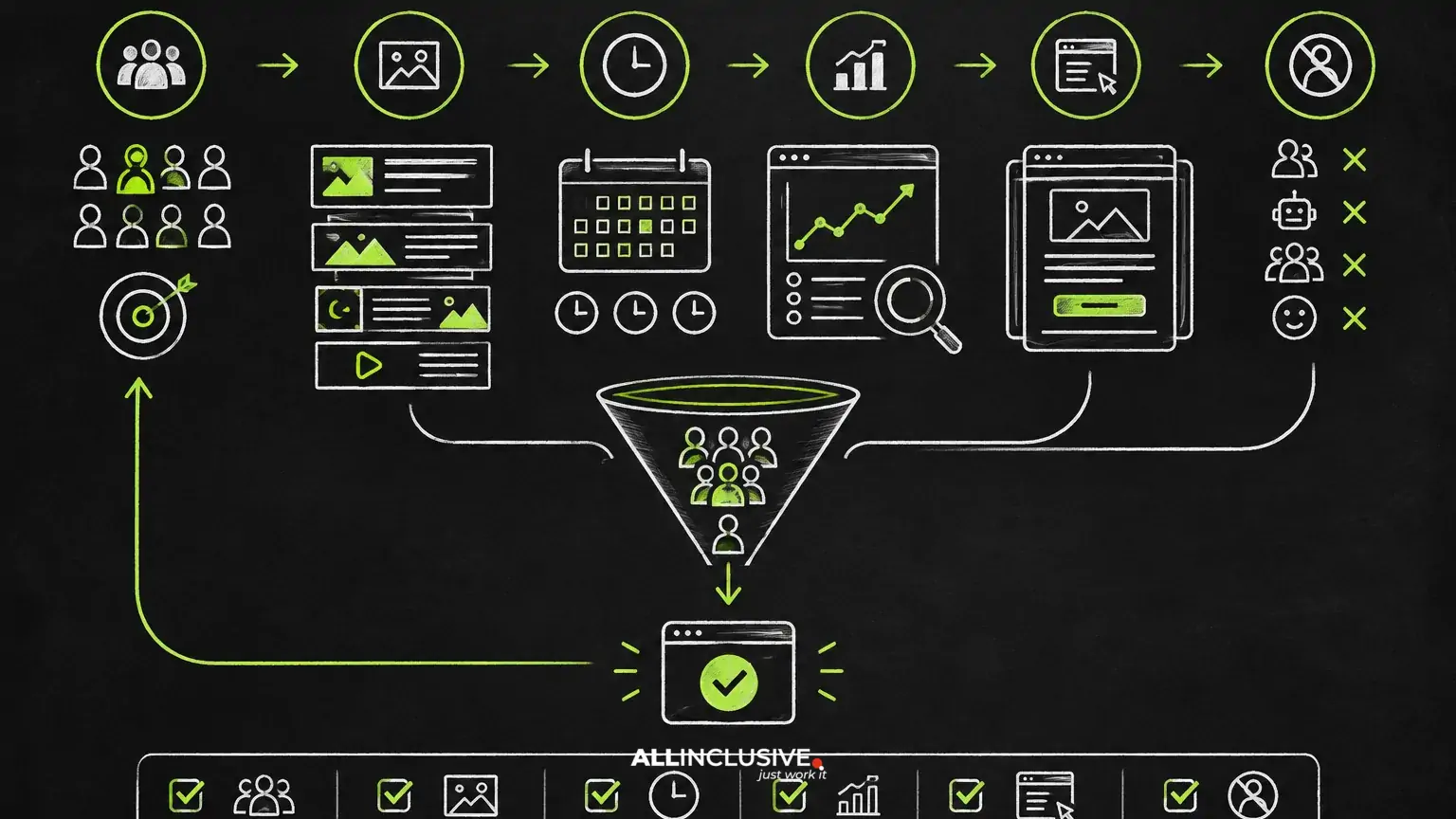
Customer Match Remarketing: Pre-Launch Checklist
- Write the campaign objective and desired customer action.
- Define the audience using lifecycle, product, recency and account criteria.
- Confirm the permitted data source and privacy requirements.
- Apply suppression and exclusion logic before export.
- Prepare and validate the file according to current destination-platform guidance.
- Set up campaign-specific creative, landing pages and conversion tracking.
- Establish overlap, frequency and sequencing rules with related audiences.
- Record the audience owner, refresh schedule and expiration conditions.
- Launch with conservative assumptions about reach and matching.
- Review delivery, quality, conversions, CRM outcomes and user feedback before scaling.
Customer Match Remarketing: Strategic Perspective
Customer-list remarketing works best when it is treated as lifecycle orchestration rather than a shortcut to more impressions. First-party data can help make paid media more relevant, but only when the source is permissioned, the segment has a clear purpose, the exclusions stay current and the message respects the customer’s context.
Build the audience around a business decision, validate the data and privacy process, coordinate it with behavioral remarketing, and measure the movement that matters. For the wider paid-media framework in which these campaigns operate, visit our paid media hub and review the broader remarketing strategy guide.