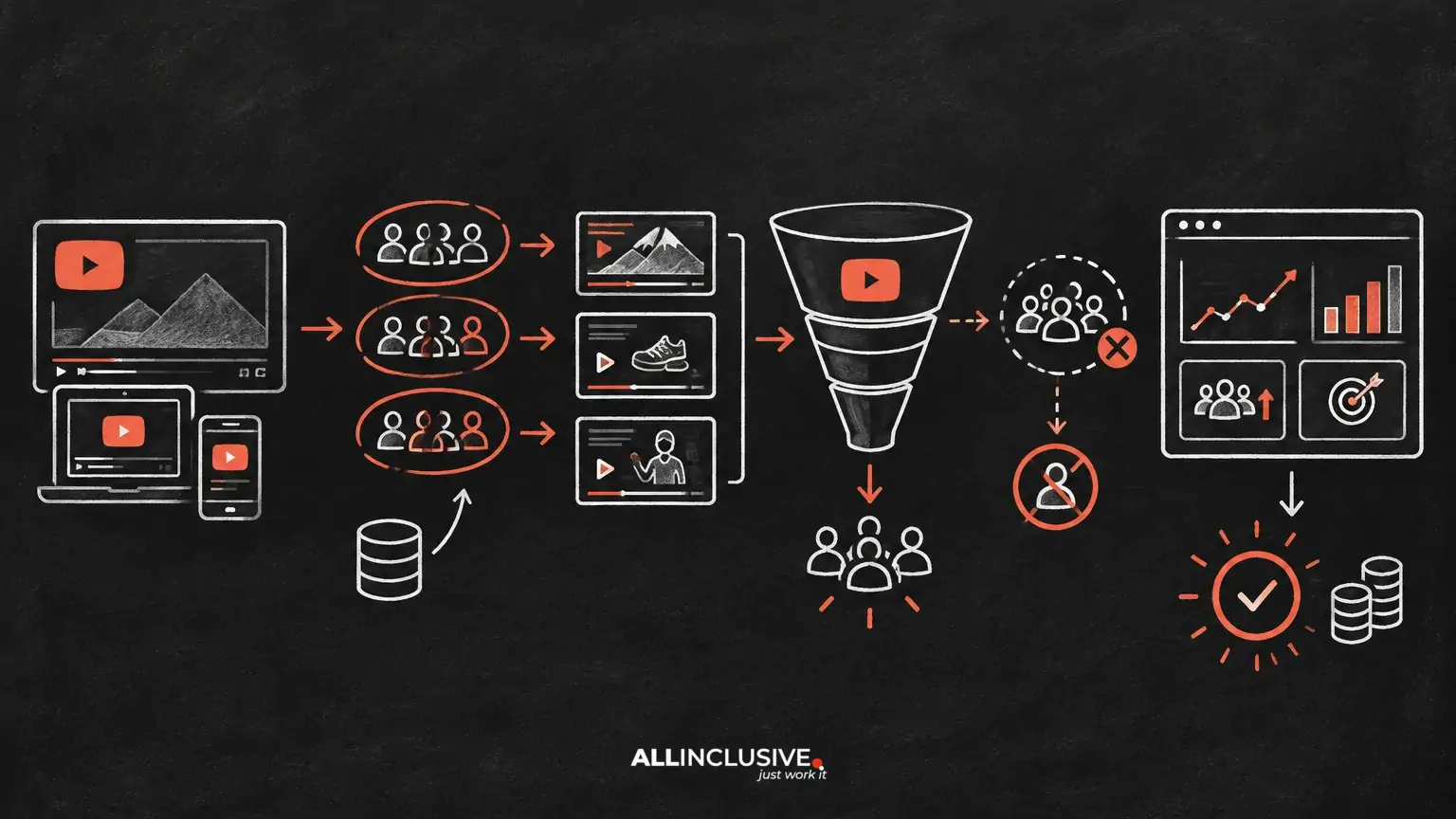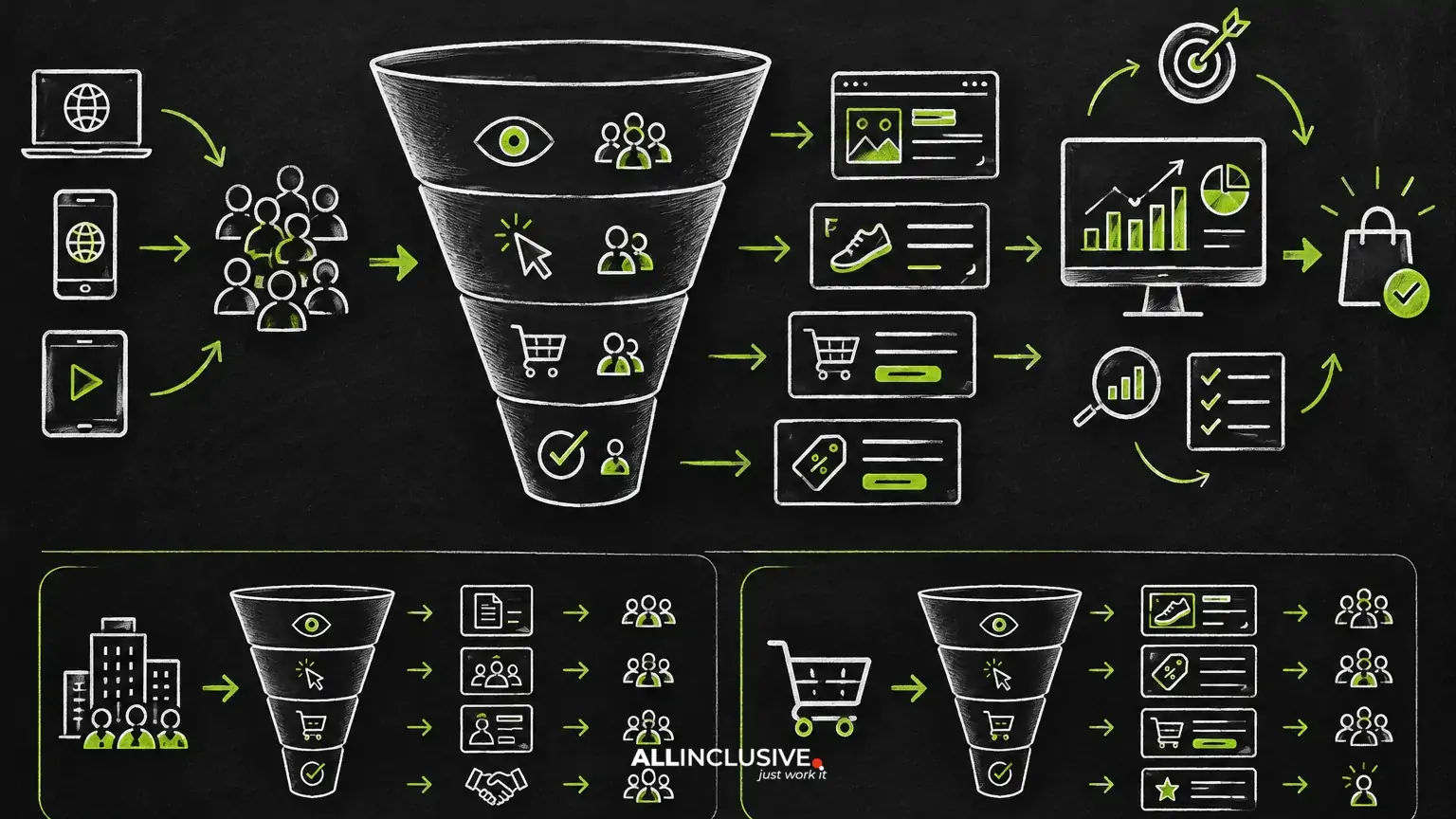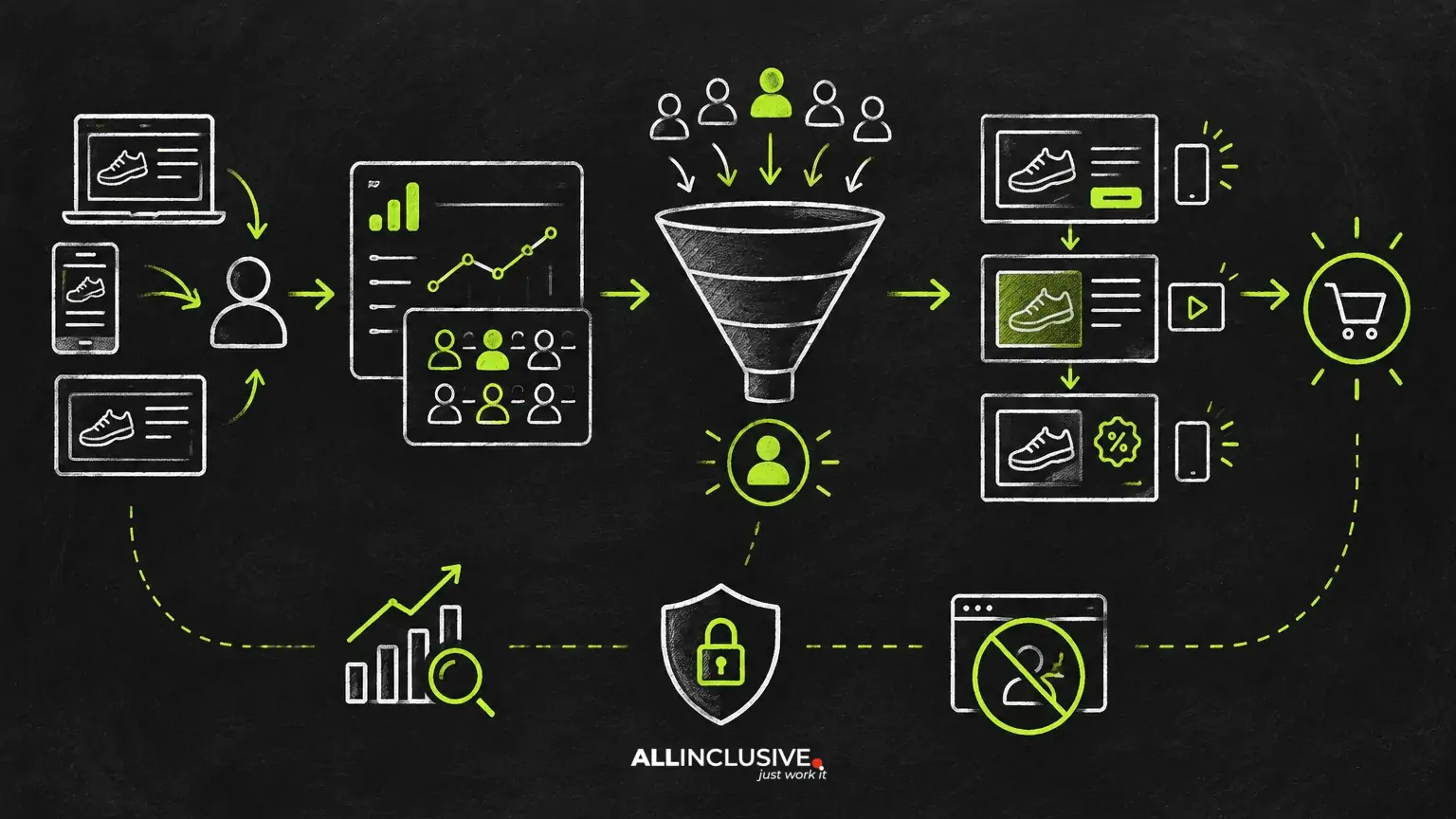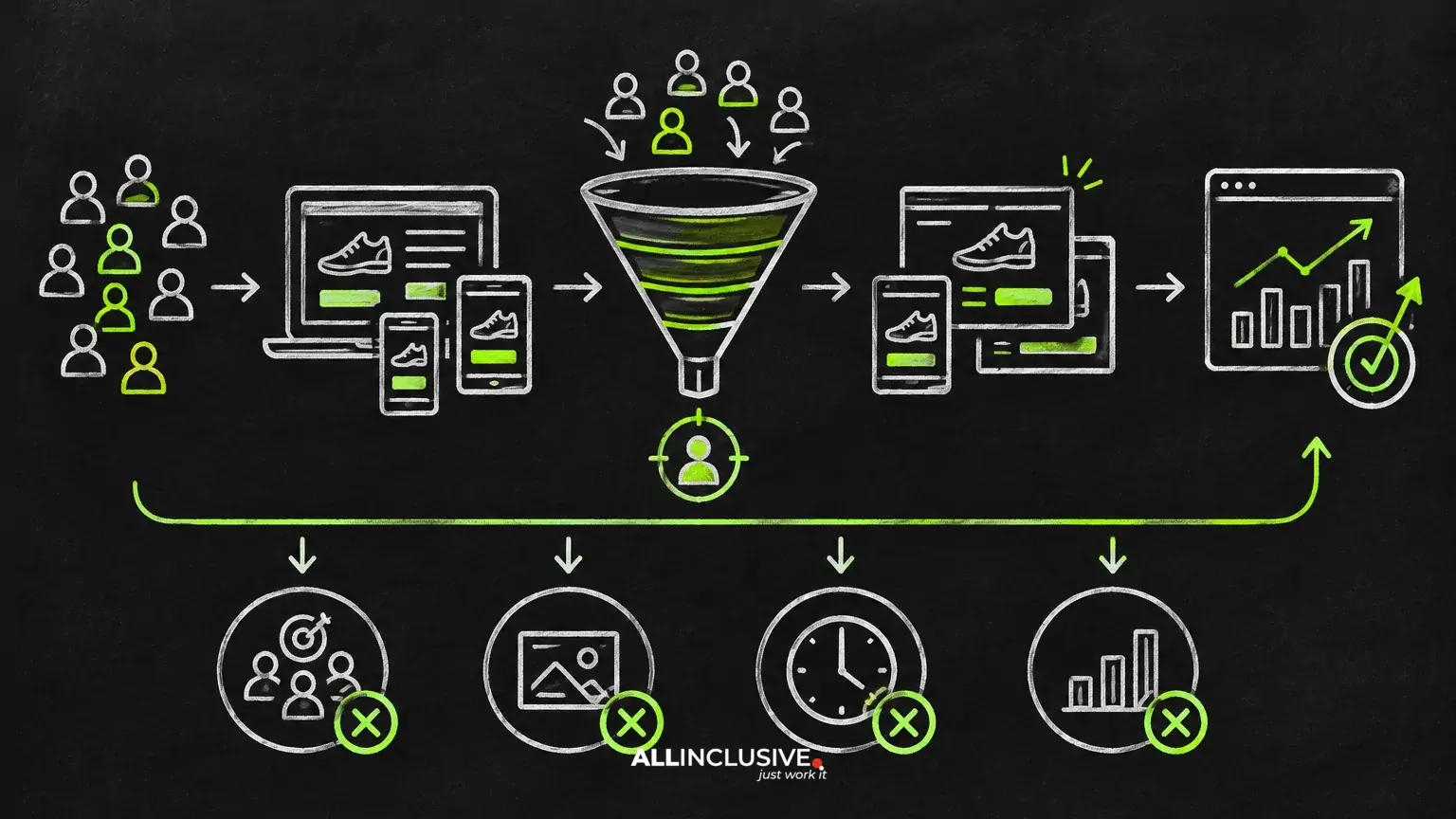
Remarketing works best when it responds to a prospect’s recent behavior with a relevant next step. It fails when every visitor receives the same ad, for too long, regardless of what they did or whether they converted.
The most expensive remarketing mistakes are usually strategic rather than technical. Poor audience definitions, weak exclusions, repetitive creative and incomplete measurement can cause wasted spend while making prospects less receptive to your brand. The solution is not simply to lower bids or increase frequency controls. It is to design remarketing around intent, stage and business value.
1. Treating every visitor as the same audience
A homepage visitor, a pricing-page visitor and someone who downloaded a buying guide have demonstrated different levels of interest. Putting them into one audience removes useful context and makes the campaign harder to manage.
Start by grouping users according to meaningful actions, such as:
- General site visitors who have not shown a clear buying signal.
- Visitors to high-intent pages, including pricing, product or service pages.
- Content downloaders or webinar registrants who may require education.
- Users who began but did not complete a form or other conversion action.
- Existing leads, customers or closed-lost opportunities requiring different messaging.
The right segmentation depends on your sales cycle and data quality. In a short transactional journey, broad behavioral groups may be sufficient. In B2B, separate audiences often need different content, time windows and calls to action because research can continue for months.
2. Ignoring the prospect’s stage in the buying journey
A common mistake is showing a “book a demo” ad to someone who only read an introductory article. That message may be appropriate later, but it can be premature for an early-stage visitor.
Map each audience to a plausible next action:
- Awareness: explain the problem, category or approach with useful educational content.
- Consideration: provide comparisons, use cases, implementation details or proof points that are appropriate to the buyer.
- Decision: make the conversion path clear with a consultation, trial, quote request or relevant sales action.
- Post-conversion: stop acquisition-oriented ads and move the person into onboarding, expansion or customer communication where appropriate.
This stage-based approach is central to a sound remarketing strategy. It also prevents a campaign from using urgency or sales language before the prospect has received enough information to act.
3. Failing to exclude converters and low-value traffic
Continuing to advertise the same offer after a person submits a form or purchases is one of the clearest ways to waste budget. It can also create confusion when the ad promise no longer matches the customer’s status.
Build exclusions deliberately. Depending on the campaign, these may include:
- Completed lead or purchase events.
- Current customers when the offer is intended only for acquisition.
- Employees, agencies and internal traffic.
- Existing opportunities already being managed by sales.
- Visitors whose behavior indicates accidental, irrelevant or very low-intent traffic.
Do not assume every exclusion should be permanent. A converted lead might later qualify for an implementation resource, cross-sell campaign or renewal message. The important distinction is between removing someone from one message and removing them from all future communication.
4. Using one lookback window for every audience
Audience duration should reflect how quickly intent changes. A person who visited a pricing page yesterday may deserve a different message from someone who visited a general article several weeks ago.
Consider separate recency windows for high- and low-intent behaviors. Shorter windows can prioritize recent signals, while longer windows may support education for products with extended consideration cycles. Review these windows against actual conversion patterns rather than choosing them by habit.
Also account for sales-cycle reality. If a B2B decision commonly involves research, internal approval and procurement, a very short window may remove prospects before they are ready. Conversely, keeping all visitors eligible indefinitely can spend money on stale intent.
5. Allowing frequency to become an annoyance
Repeated exposure can support recall, but repetition without new value quickly becomes noise. Frequency is especially problematic when the same creative, offer and landing page appear across multiple campaigns.
Manage fatigue through a combination of:
- Reasonable frequency controls where the platform and campaign type support them.
- Creative rotation based on audience stage and recency.
- Exclusions that prevent overlapping campaigns from competing for the same person.
- Fresh landing-page experiences that match the ad’s message.
- Regular review of reach, frequency, spend and conversion quality together.
There is no universal frequency number that guarantees success. A useful level depends on the offer, channel, audience size, sales cycle and creative strength. Watch for rising exposure alongside weaker engagement or conversion quality, and investigate overlap before simply increasing the budget.
6. Repeating the same creative after the prospect has learned something
A prospect’s information need changes as they move through the journey. Repeating an introductory message after someone has viewed detailed product content wastes an opportunity to advance the conversation.
Build a small sequence instead of a single evergreen ad set. For example:
- Use an educational message after an initial content visit.
- Follow with a relevant use case, comparison or implementation resource.
- Present a decision-stage action after stronger engagement or a high-intent page visit.
- Suppress the sequence when the person converts or enters a more appropriate audience.
Creative variation does not mean producing unrelated ads. Keep the value proposition consistent while changing the proof, objection addressed, format or call to action.
7. Sending people to a generic landing page
Remarketing cannot compensate for a disconnected post-click experience. If the ad refers to a specific guide, capability or use case but sends the prospect to a generic homepage, the campaign creates unnecessary friction.
Check the continuity between audience, ad and destination:
- Does the landing page reflect the visitor’s likely need?
- Does it repeat the promise made in the ad without making unsupported claims?
- Is the next action clear and proportionate to the prospect’s stage?
- Does the form request only information the business can use?
- Can the page be understood quickly on the devices and browsers used by the audience?
For B2B campaigns, a useful destination may be a case study, technical explanation, buying guide, consultation page or qualification form—not always a product overview.
8. Optimizing for cheap clicks instead of qualified outcomes
Remarketing audiences often produce efficient engagement because they already know the brand. That can make click volume look healthy even when the campaign is not creating qualified demand.
Define the business outcome before launch. Depending on your model, this might be a completed inquiry, qualified meeting, opportunity progression, purchase or revenue contribution. Then evaluate softer actions—such as engaged sessions or content downloads—in context rather than treating them as the final measure.
Be careful when platform-reported conversions and CRM outcomes do not align. Differences can arise from attribution windows, duplicate events, offline conversion handling, consent choices or changes in tracking. Investigate the measurement path before drawing conclusions about audience quality.
9. Neglecting consent, privacy and data governance
Remarketing depends on audience data, so governance is part of campaign quality—not an administrative afterthought. Collection, activation and retention practices should align with the applicable laws, company policies and platform requirements for the markets you serve.
Use clear consent and data-handling processes where required. Limit audience use to legitimate business purposes, document how lists are sourced and avoid passing sensitive information into advertising systems. For a broader treatment of current approaches, see remarketing without third-party cookies.
Platform mechanics and eligibility can change. Confirm current requirements in the relevant platform documentation and your legal or privacy review process rather than relying on an old account setup.
10. Overlooking first-party and CRM audience quality
Website behavior is useful, but it is not always enough to identify business value. A CRM or customer list may provide stronger context when it is accurate, permissioned and mapped to a clear use case.
Before activating a first-party audience, check data freshness, identity resolution, consent status and field consistency. Define what should happen when a lead changes stage, becomes a customer or is marked unqualified. Customer lists should not be treated as a shortcut around strategy; they still require message, timing and exclusion decisions.
See Customer Match remarketing for a focused discussion of using first-party lists effectively.
11. Letting campaigns overlap without a hierarchy
Multiple remarketing campaigns can unintentionally target the same person with conflicting offers. This makes reporting less reliable and can cause internal competition for limited audience volume.
Create a simple audience hierarchy. For example, prioritize recent high-intent visitors over general site visitors, active opportunities over earlier-stage leads and customers over acquisition audiences when the communication is retention-oriented. Then use exclusions or campaign structure to make that hierarchy operational.
Document which campaign owns each audience, what message it delivers and what event moves someone to the next stage. This is especially important when different teams manage search, social, display, CRM and lifecycle programs.
12. Measuring the campaign without a testing plan
Changing audience duration, creative, offer and landing page at the same time makes it difficult to know what improved performance. A practical testing plan isolates a meaningful variable while keeping the business objective stable.
Useful tests may compare:
- Stage-specific messaging against a generic reminder.
- A decision-stage destination against a broader product page.
- Shorter and longer recency windows for the same behavior.
- Different proof points or objections within the same audience.
- Exposed users against an appropriate holdout or comparison approach, when feasible.
Set a review period and decision rule before reading the results. Avoid treating small changes as conclusive, especially when audience volume is limited. Analyze quality through the funnel and, where possible, connect advertising data to CRM progression rather than stopping at platform metrics.
A practical audit for remarketing campaigns
Use this sequence when reviewing an existing program:
- List every audience: record the behavior, recency window, estimated size, exclusions and destination.
- Map each message to a stage: identify whether it educates, builds confidence or asks for a decision.
- Check conversion suppression: confirm that completed actions are removed from incompatible acquisition campaigns.
- Review overlap: find audiences receiving competing messages or appearing in multiple campaigns.
- Inspect fatigue: compare frequency and creative exposure with engagement and outcome quality.
- Validate measurement: confirm event definitions, deduplication, attribution settings and CRM handoff.
- Prioritize one or two fixes: address the largest source of waste before adding complexity.
Remarketing Mistakes That Waste Budget and Annoy Prospects: What to Prioritize
Effective remarketing is not about following prospects everywhere. It is about recognizing what they have already done, deciding what they need next and stopping when the message is no longer relevant.
The highest-impact improvements usually come from better segmentation, stronger exclusions, stage-appropriate creative, disciplined frequency management and measurement tied to qualified outcomes. If you are building a broader paid acquisition system, explore the paid media resources for related planning and optimization guidance.