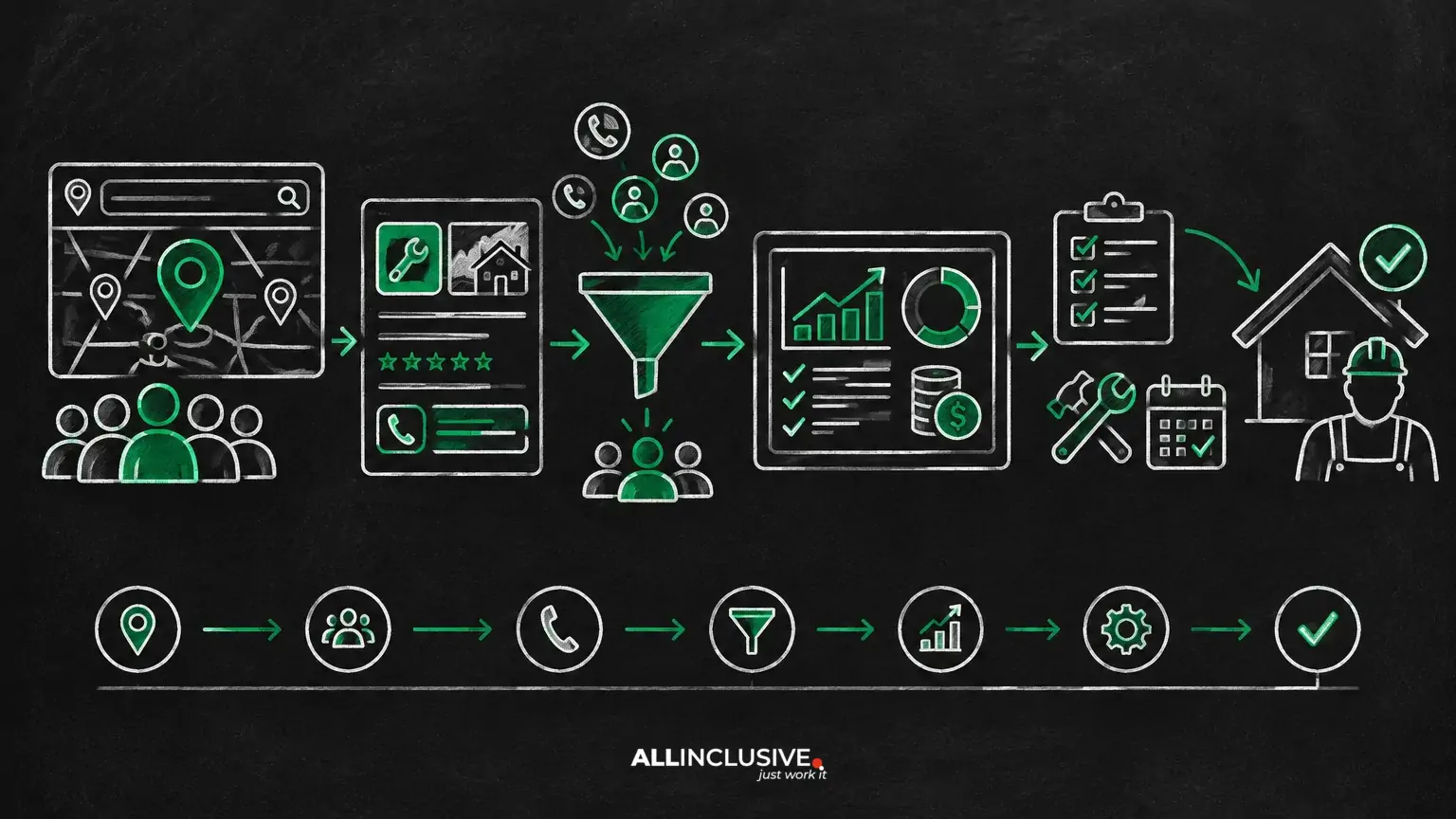
Local service ads verification is the eligibility and trust-review process Google uses before, and sometimes after, a business can fully participate in Local Services Ads. Depending on the business category, location, and operating structure, verification may involve business details, professional licenses, insurance, owner or worker background checks, and other documentation.
The process is not simply an advertising formality. Verification can affect launch timing, the profile information shown to prospective customers, lead eligibility, and the ability to maintain a strong presence in the program. The most reliable approach is to treat it as an operational readiness project rather than something to complete at the last minute.
What Local Services Ads verification is designed to confirm
Verification helps establish that a business is real, properly identified, authorized to provide the advertised service, and operating in a way that meets applicable program and local requirements. The exact checks are not identical for every category or market, so businesses should use the current instructions shown in their Local Services Ads account as the controlling source.
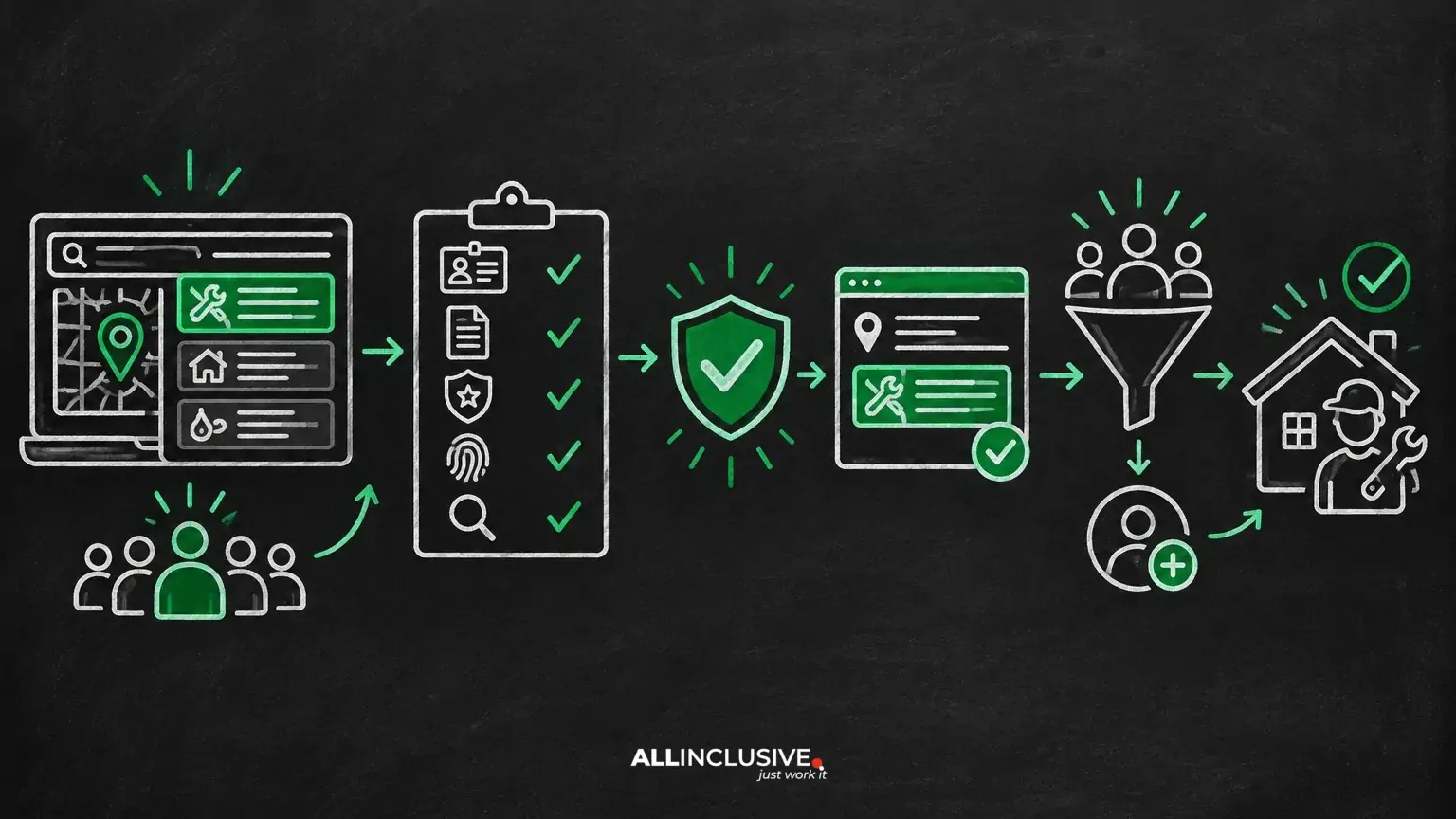
In practice, the review may cover several areas:
- Business identity: legal or trading name, business address, phone number, website, and other account details.
- Service eligibility: whether the business and selected category are supported in the target area.
- Professional licensing: licenses required for the advertised trade or regulated service.
- Insurance: evidence of coverage where the category or market requires it.
- Background checks: checks for business owners, employees, or field professionals when applicable.
- Location and service area: whether the business can legitimately serve the locations it has selected.
These checks should be separated from campaign strategy. Verification determines whether the business can participate and under what conditions; bidding, budget, lead handling, and profile optimization determine how effectively the account performs once eligible.
Which documents and details should businesses prepare?
Preparation reduces avoidable requests for clarification. Before starting, assemble a consistent document set and compare every name, address, phone number, and license detail across the account and the source documents.
Business information
Prepare the business’s official name, operating name if different, primary contact details, website, business address, and service locations. If the company uses a registered entity name but markets under a trade name, document the relationship clearly. Inconsistencies do not always mean an account will fail review, but they can create additional questions and delays.
Licenses and registrations
Regulated categories may require a current professional or trade license. Check the issuing authority, license number, holder name, expiration date, and permitted scope of work. A license can be valid while still being unsuitable for the selected category, location, or advertised service, so review the jurisdiction and coverage rather than checking only the expiration date.
Insurance documentation
Where insurance is requested, use current documentation that identifies the insured business and the relevant policy period. Confirm that the document is legible and that the legal or trading name can be reconciled with the advertising account. Do not upload altered or incomplete certificates.
People and background-check information
Some businesses may need to provide information for owners or service professionals who interact with customers. The required process can vary by category and market. Give the individuals involved advance notice, use the designated process, and ensure names are entered exactly as requested. A mismatch between an individual’s submitted details and official records can create friction even when the person is otherwise eligible.
How the verification process usually works
- Complete the business profile. Enter the business, category, service area, and contact information carefully. Avoid selecting a broader service scope than the business can substantiate.
- Review the requested checks. The account may identify documentation, licensing, insurance, or background-check steps relevant to the category and location.
- Submit accurate evidence. Upload clear, current documents through the designated account workflow. Keep copies of everything submitted.
- Respond to follow-up requests. If the platform asks for clarification, answer the specific question rather than sending a larger, inconsistent document set.
- Confirm the account status. Do not assume that submitting documents means every requirement is complete. Check for outstanding actions and any restrictions affecting the profile.
Timing can vary. It may depend on the type of review, the completeness of the submission, third-party checks, local requirements, and whether additional information is requested. Build contingency time into the launch plan instead of promising a fixed approval date.
Common reasons verification takes longer
Inconsistent business names
The account may use a brand name while a license or insurance document uses a legal entity name. That arrangement can be legitimate, but the connection should be explainable and supported by authoritative information where requested.
Expired or incomplete documents
Common problems include expired licenses, missing pages, cropped certificates, unreadable scans, and documents that do not show the required holder or policy details. Check every page before submission and retain the original files.
Incorrect category or service area
A business may be properly licensed but advertise a category or location outside its authorization. Review the relationship between the services selected, the license scope, and the areas actually served. This is particularly important for businesses that operate across multiple jurisdictions.
Unclear operating structure
Franchises, lead-generation brands, subcontractor networks, and multi-location companies may need to explain which entity employs the professionals, holds the license, owns the customer relationship, and receives the lead. Establish this structure before creating multiple profiles or submitting documents under different names.
Background-check participation issues
If a required individual does not complete the designated process, enters information incorrectly, or cannot be matched to the business relationship, the account may remain incomplete. Assign one person to coordinate the process and track each participant’s status.
A practical pre-submission checklist
- Confirm the legal business name and public-facing name used in the account.
- Verify the business phone number, website, address, and service areas.
- Check that each license is current, relevant, and valid in the advertised jurisdiction.
- Confirm insurance documents identify the correct business and policy period.
- Identify which owners, employees, or professionals may need to complete checks.
- Use high-quality, unaltered document files and retain submission records.
- Review the selected category against the actual services and qualifications offered.
- Document relationships among parent companies, branches, franchises, and trade names.
- Assign an owner for follow-up requests and escalation.
- Plan a launch window that allows for additional review.
What to do if verification is delayed or rejected
Start by identifying the exact status and requested action in the account. “Pending,” “needs attention,” and “not approved” may require different responses. Avoid repeatedly resubmitting the same unclear document; instead, determine whether the issue is identity, licensing, insurance, location, category selection, or an individual check.
Next, create a short evidence log containing the submission date, document name, account message, response, and any case or reference number. This helps prevent contradictory replies and gives a support representative a concise history if escalation is needed.
When contacting support, provide the account identifier, business details, the specific requirement in question, and a direct explanation of how the submitted evidence addresses it. Remove unnecessary personal information from correspondence unless the designated process requires it.
Do not create duplicate profiles to bypass an unresolved verification issue. Multiple profiles with overlapping business details can make ownership, location, and lead attribution harder to establish. Resolve the original account structure first unless a current platform instruction specifically calls for a different setup.
Verification after launch: compliance is ongoing
Approval is not a permanent substitute for operational controls. Licenses and insurance policies expire, employees change, service areas expand, and businesses rebrand. Assign a recurring owner to monitor renewal dates and update account information when material changes occur.
Keep the advertised service scope aligned with what the business can deliver. Train intake staff to identify the source of each lead and record whether the business was able to serve the requested location and job type. These records support both operational quality and future account reviews.
Verification also sits within a wider Local Services Ads management system. Once eligibility is secure, businesses should evaluate lead quality, response speed, budget controls, and profile accuracy. For visibility considerations, see Local Services Ads ranking factors. For a broader account review, use the Local Services Ads audit checklist.
How verification fits into the broader paid-media plan
Verification should be scheduled before creative, budget, and staffing decisions are finalized. A business that cannot answer calls, document its qualifications, or serve the selected area is not ready to scale lead volume, regardless of its bid strategy.
For a broader view of how this channel fits into acquisition planning, review paid media strategy. For the channel’s eligibility and operating context, see the Local Services Ads guide.
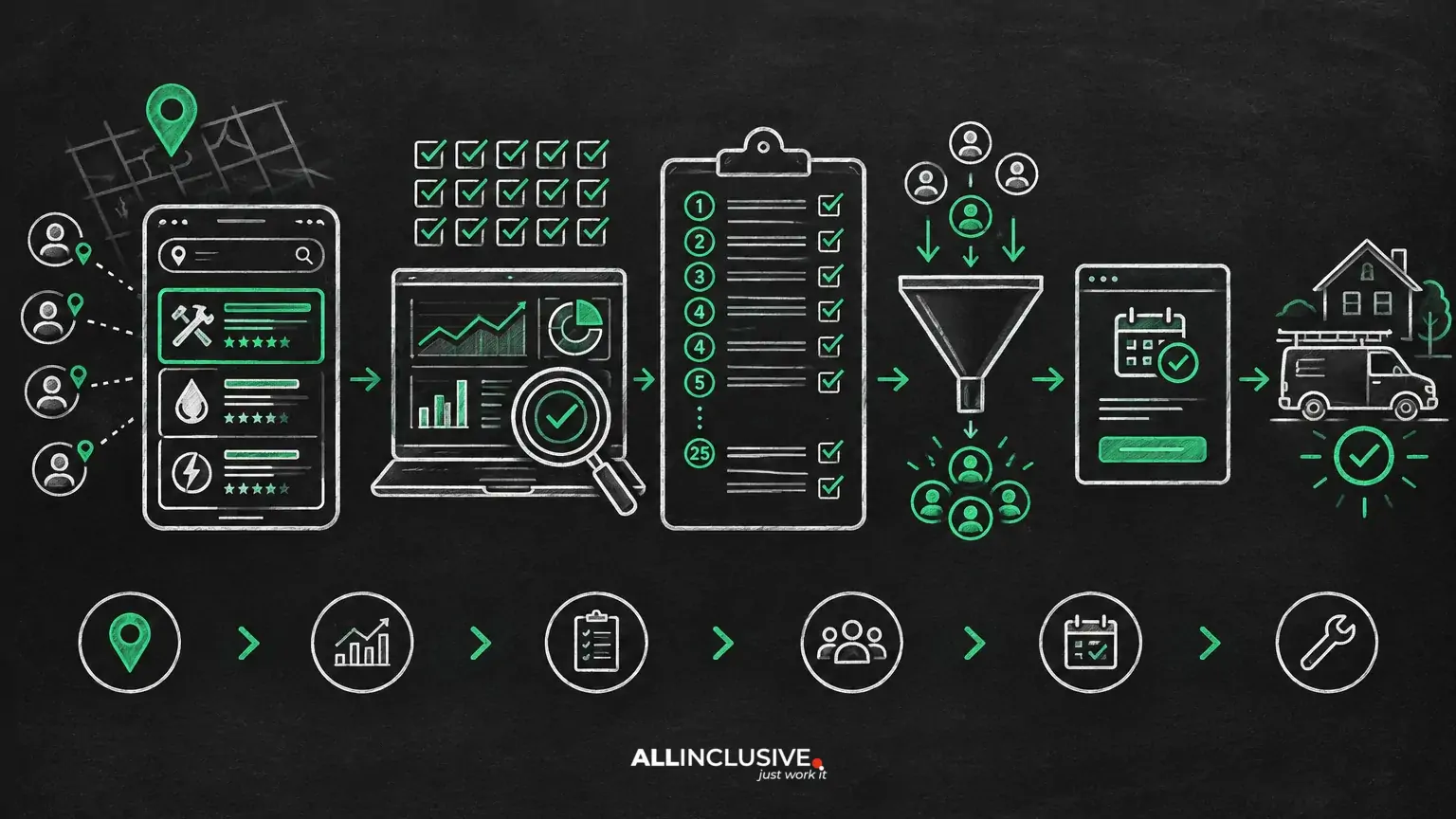
A useful implementation sequence is:
- Confirm category, market, service area, and business structure.
- Collect and validate licenses, insurance, and identity documents.
- Complete required individual checks and record outstanding actions.
- Submit the account and monitor status without making unnecessary structural changes.
- Prepare lead-response workflows before increasing exposure.
- Review compliance dates and account information on a recurring schedule.
Local Services Ads Verification: Key Decision Point
Local Services Ads verification is best managed as a documentation and governance process. Accurate business information, relevant current credentials, clear ownership, and disciplined follow-up give the review the best chance of progressing efficiently. After approval, maintain the same standards: keep qualifications current, advertise only services the business can substantiate, and connect verification controls to lead-quality and operational reporting.