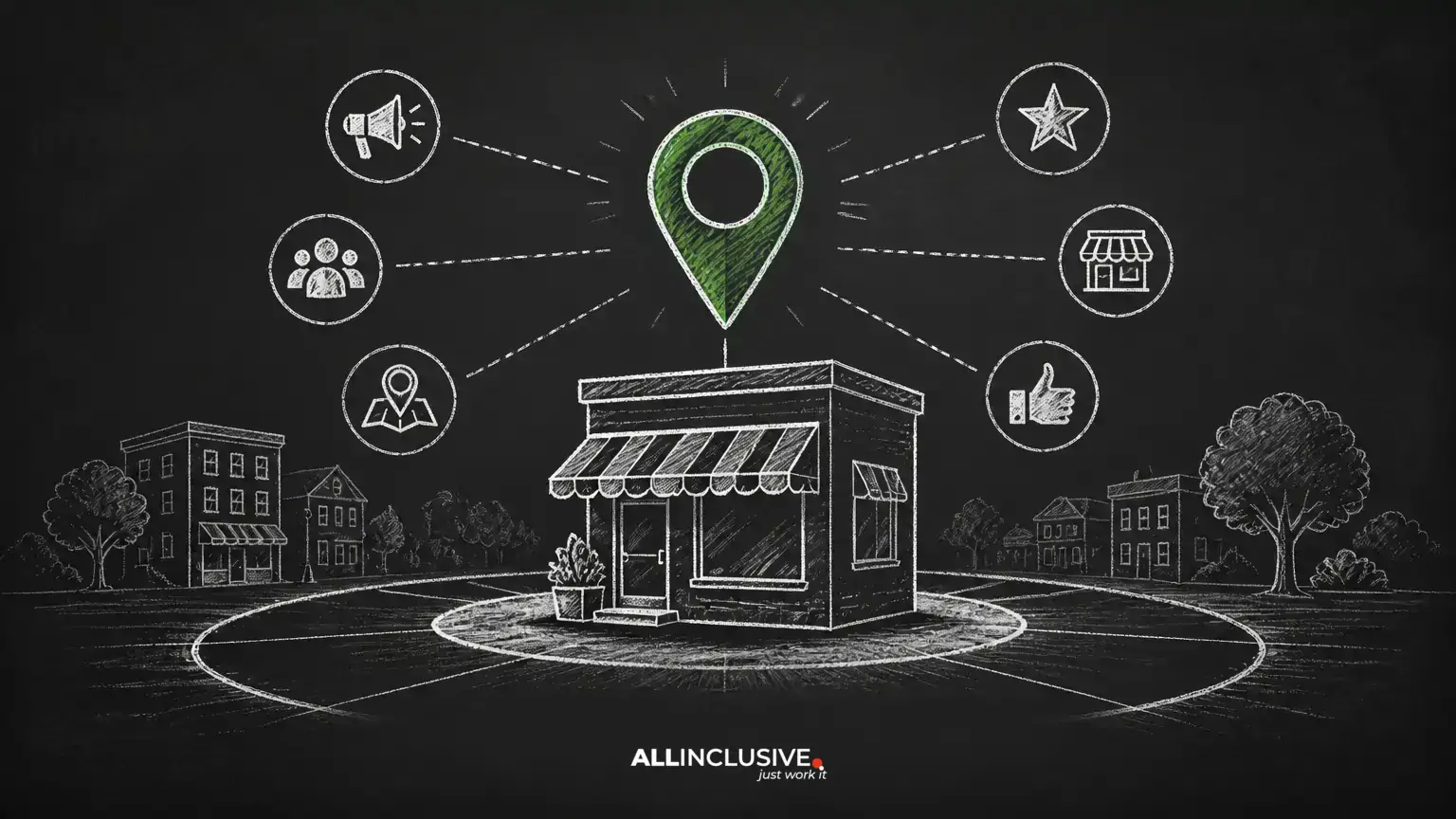
Local SEO is often presented as a list of tasks: update a business profile, add a city name to a page, build citations, and wait for rankings. That approach can be useful as a starting point, but it misses the central challenge: local search visibility depends on the relationship between a business, its real-world location, its services, and the needs of people nearby.
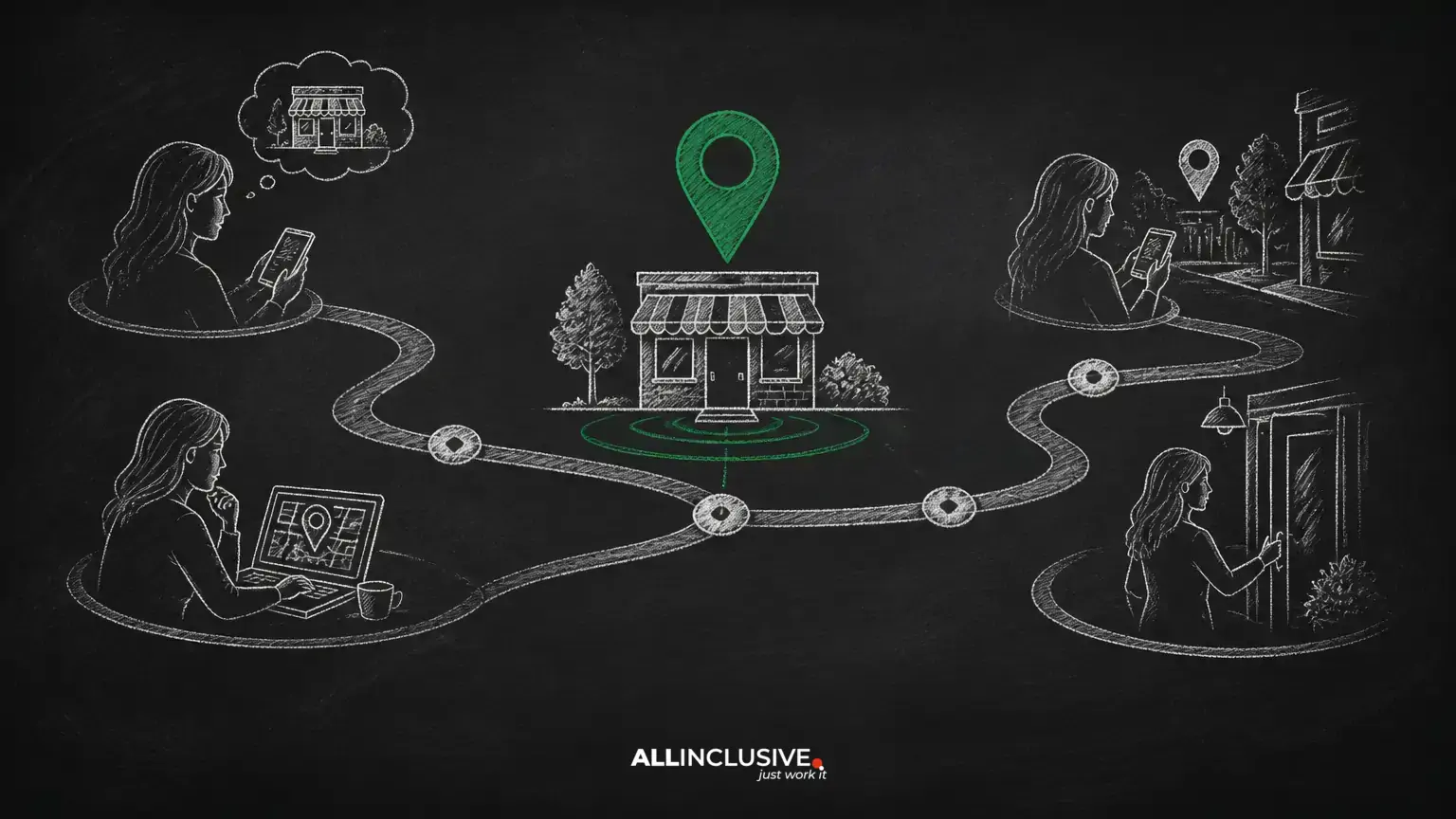
A stronger strategy begins with customer journeys. Someone searching for a taxi near a station has a different need from someone arranging an airport transfer in advance. A person looking for an emergency plumber has a different urgency level from someone comparing contractors for a planned renovation. The pages, business information, and measurement plan should reflect those differences.
This guide explains how to build a local SEO program around genuine customer demand while avoiding unsupported location claims, thin area pages, and risky changes to business information.
Start with the business’s actual local footprint
Before changing a website or business listing, document where the business is legitimately able to serve customers. This may include a storefront, a defined service area, nearby destinations, or a combination of these. The strategy should represent reality rather than attempt to manufacture relevance in places the business does not serve.
Ask practical questions:
- Where can customers visit the business?
- Which areas can the business serve consistently?
- Which services are available in each area?
- Are there important travel hubs, neighborhoods, or landmarks connected to the customer journey?
- Does the business serve customers at their location, receive them at a fixed location, or operate in both ways?
These answers help separate legitimate local opportunities from pages that exist only because a keyword appears attractive. They also reduce the risk of publishing contradictory addresses, unsupported service-area claims, or repetitive location content.
Separate organic search from map visibility
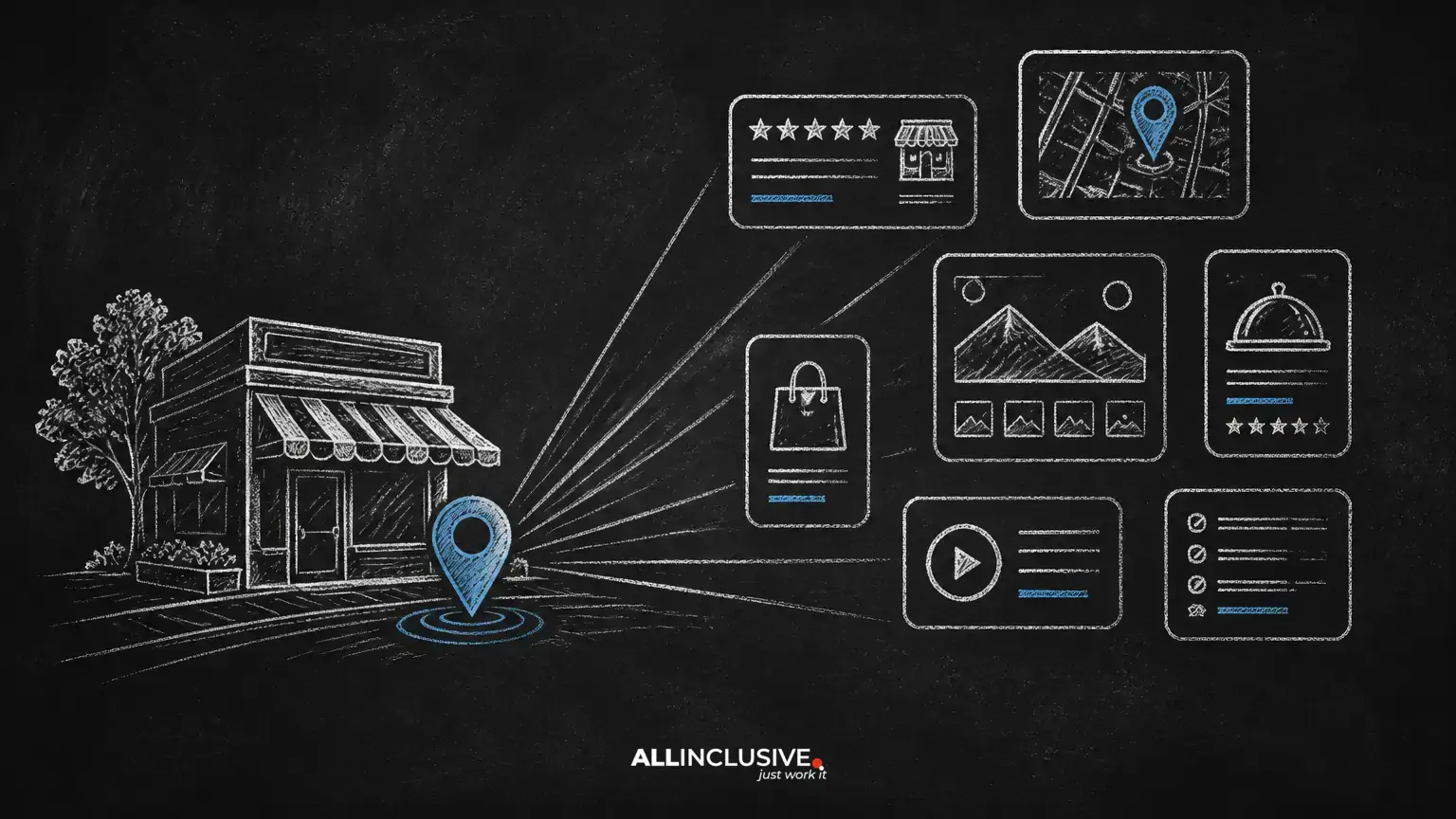
Local search has more than one surface. A business website may rank in organic results, while a business profile may appear in map results or a local results feature. These surfaces can overlap, but they are not interchangeable.
Organic visibility is influenced by the usefulness and relevance of a page, the site’s structure, accessibility, and the authority signals available to search systems. Map visibility also depends on the business’s recognized location, category, eligibility, profile completeness, and the relationship between the searcher’s location and the business.
This distinction matters when diagnosing performance. A business may rank well for a service-and-city query organically but appear less often in map results from a particular neighborhood. That does not automatically mean the website needs more city pages. It may indicate that the map result is responding to proximity, business-profile information, category relevance, or a different interpretation of the search.
Track these surfaces separately where possible. Review website impressions, clicks, calls, form submissions, and landing-page engagement alongside business-profile interactions and real customer outcomes. Avoid treating a single ranking position as the complete measure of local success.
Build pages around services and decisions
Location pages are most useful when they help a visitor decide what to do next. A page for an airport transfer, for example, should answer operational questions such as pickup arrangements, booking timing, luggage considerations, terminal coverage, and how the service differs from a standard city journey. A page for a local repair service may need to explain availability, the types of problems covered, preparation steps, and how customers can request an appointment.
Use a clear relationship between service and place:
- Service: What does the business provide?
- Place: Where is the service available or where does the customer receive it?
- Situation: What problem or decision brings the customer to search?
- Next step: What should the visitor do to obtain help, a quote, directions, or a booking?
Do not create a separate page for every nearby place unless each page can provide distinct, accurate value. Combining closely related areas into a useful service-area guide is often better than publishing dozens of pages with nearly identical text.
Make each location page independently useful
A strong page can include local operating details, relevant access information, service limitations, clear contact options, and answers to questions that genuinely differ by place. It should be written for a person who has arrived from search, not for a search engine reading a list of place names.
Use precise language when coverage varies. “Appointments available in the central district” is clearer than implying a permanent storefront there. If a service is available only at certain times or by prior arrangement, say so. Accurate qualification improves trust and helps prevent leads the business cannot serve.
Improve the website’s local usefulness
Local relevance is not limited to including a phone number and city name. The website should make it easy for both users and search systems to understand the business.
Review the following fundamentals:
- Use a consistent business name and contact method throughout the site.
- Place the primary service and location context in page titles, headings, introductory copy, and navigation where appropriate.
- Make phone numbers and booking paths easy to use on mobile devices.
- Connect service pages, location pages, contact information, and helpful guides with descriptive internal links.
- Explain operating hours, appointment requirements, access limitations, and service boundaries.
- Keep important business information in visible page content rather than relying only on structured data.
Structured data can help describe a page when it accurately reflects visible, current information. It should not be used to make unsupported claims or to replace clear content. Any technical implementation should be reviewed against the business’s actual model and the applicable search guidelines.
Create content for local situations, not keyword variations
Useful local content often comes from the questions customers ask before contacting a business. A transportation company might publish guidance for station pickup points, accessibility considerations, airport arrival planning, or travel during major local events. A home-services company might explain preparation, emergency steps, parking requirements, or what information helps produce an accurate quote.
These topics can attract visitors earlier in the decision process and support service pages naturally. They also give the business opportunities to demonstrate practical knowledge without making exaggerated claims.
Before publishing, check that each guide has:
- A specific audience and situation.
- Information that is accurate for the relevant place.
- A clear date or review process when details can change.
- A useful connection to an appropriate service or contact path.
- Original explanations rather than copied tourism, transport, or directory material.
Local guides should not be used to disguise thin promotional pages. If a detail cannot be verified, either omit it, qualify it, or identify it as information that requires confirmation before publication.
Handle business information changes cautiously
Name, address, phone, map-marker, and service-area information can have significant operational consequences. Do not alter these details simply to appear closer to a target city or neighborhood. First confirm the correct information with the business and determine whether the business model permits the proposed representation.
When a legitimate correction is necessary, record the previous and new information, identify all important locations where it appears, and monitor customer contact paths after the change. Updates across third-party platforms may not happen at the same speed, so inconsistent information can create confusion.
Map-marker adjustments deserve particular care. The marker should represent the real business location and should not be moved to a more favorable road, boundary, or neighborhood merely to influence visibility. If the business has changed premises, moved its entrance, or has a location that is difficult to find, document the facts and follow the relevant platform’s process.
Measure outcomes instead of publishing volume
A local SEO program should connect visibility to useful business outcomes. Depending on the business, this may include qualified calls, completed booking requests, direction requests, quote submissions, appointments, or in-store visits.
Use a measurement framework that distinguishes:
- Visibility: impressions, query coverage, and appearance across relevant search surfaces.
- Engagement: clicks, calls, direction requests, page depth, and form starts.
- Quality: whether inquiries match the services and areas the business can support.
- Business value: booked work, completed transactions, repeat customers, or another agreed outcome.
Compare performance over reasonable periods rather than reacting to one ranking fluctuation. Seasonal demand, competition, searcher location, operating hours, and changes in the business can all affect results. Annotate major website, profile, service, and tracking changes so later analysis has context.
A practical local SEO workflow
A repeatable workflow helps teams prioritize work without forcing every business into the same checklist.
- Interview the business: document profitable services, service boundaries, customer questions, and operational constraints.
- Audit the search journey: review service pages, location context, contact paths, map visibility, and the information a customer needs before converting.
- Fix accuracy first: correct important business details and remove misleading or outdated information.
- Improve core pages: make service, contact, and location pages clear, useful, accessible, and easy to navigate.
- Publish selective local resources: prioritize topics tied to real customer situations and verified local details.
- Measure qualified actions: connect search activity to calls, bookings, requests, or other meaningful outcomes.
- Review and refine: use observed customer questions and performance data to improve pages rather than producing content automatically.
For broader technical and content work, review the Allinclusive local SEO resources and consider how local priorities fit into a wider SEO strategy.
Conclusion
Effective local SEO is less about finding a universal trick and more about accurately connecting a business with the places, services, and situations that matter to its customers. Separate organic and map visibility, build pages around real decisions, keep business information truthful, and measure qualified outcomes. When the strategy reflects how the business actually operates, local search content becomes more useful to visitors and more resilient than a collection of repetitive location pages. Use SEO reporting that informs decisions to turn local-search observations into concrete strategic adjustments based on qualified outcomes.