
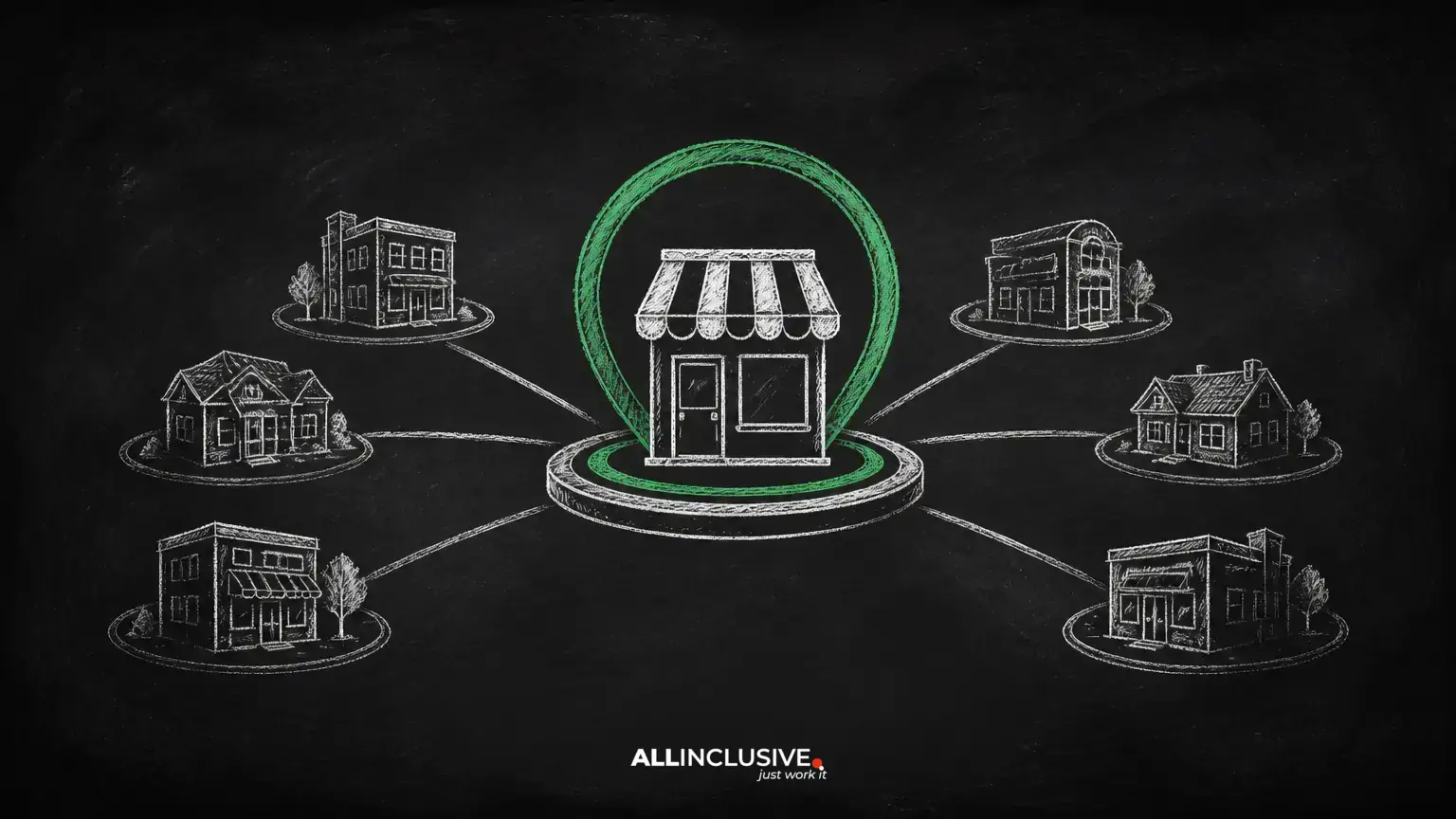
Local citation work is often described as a directory-building exercise: publish a business’s name, address, phone number, and other details across relevant websites, then keep those listings consistent. That process can help, but it can also create an operational problem. Every change to your hours, services, phone number, or location may need to be repeated across multiple platforms.
There is another local reference point that deserves equal attention: your Google Business Profile. It is not a replacement for your website or every relevant directory listing, but it is a central place where customers can discover essential business information, read reviews, view services or products, and visit your website. Treating it as an actively maintained local asset is often more useful than chasing a long list of low-value citations.
This guide explains how to use the profile as part of a practical local SEO strategy, what information to keep synchronized, and where its limits are.
What makes a Google Business Profile important for local visibility?
A citation is generally a mention of a business and its identifying information on another online property. Local search systems use business information from multiple sources to understand whether a business exists, what it does, and where it operates. Customers also use those references to decide whether a business appears trustworthy and convenient.
A Google Business Profile combines several of these functions in one customer-facing presence. Depending on the business type and the features available in its market, the profile may communicate:
- Business name and primary category
- Address or service area
- Phone number and website
- Opening hours and holiday hours
- Services, products, or menu information
- Photos and other visual information
- Customer reviews and business responses
- Updates or announcements published through the profile
The exact interface and available features can change. For that reason, businesses should verify current options directly in their profile rather than rely on old screenshots or instructions that describe retired tools.
Keep the profile accurate before trying to optimize it
Accuracy is the foundation of local SEO. A profile with extensive content is not useful if it sends customers to the wrong address, shows outdated hours, or describes services the business no longer provides.
Business identity and contact details
Use the real-world business name and a phone number that customers can reach. The website URL should lead to a relevant, accessible page rather than a generic redirect or an unrelated campaign page. If the business relocates, changes its phone number, or adjusts how it serves customers, update the profile and review other important listings as part of the same change-management process.
Hours and temporary changes
Regular hours should reflect the hours customers can actually expect. Special hours matter when holidays, closures, events, or seasonal schedules change normal availability. A customer who arrives at a closed location may leave a negative review or choose a competitor, even if every other part of the profile is well optimized.
Categories and services
Choose categories that accurately describe the business rather than selecting options solely because they appear popular. The primary category should represent the core offering. Additional categories and service details should support that description without turning the profile into a keyword list.
Review service menus, product information, and pricing details periodically. Remove discontinued offerings and clarify important differences between services. If a customer could reasonably misunderstand what is included, the profile should explain it or link to a more detailed website page.
Use profile content to answer local customers’ questions
Local searchers usually want practical information: whether a business can solve their problem, where it operates, when it is available, and what to do next. Profile content should help them make that decision quickly.
Write for decisions, not keyword repetition
A useful business description explains the business’s main offering, audience, service area, and distinguishing context in plain language. It should not repeat city names unnaturally or promise rankings. Search engines can interpret related concepts without a paragraph becoming a list of location variants.
Use photos as evidence
Current photos can reduce uncertainty. Depending on the business, useful images may show the storefront, entrance, interior, team, equipment, completed work, products, or examples of the customer experience. Images should be accurate and understandable without misleading edits. Replace photos when the physical location, branding, or offering changes materially.
Publish updates only when they help
Profile updates can highlight a timely offer, new service, event, announcement, or useful resource. They should add information rather than repeat the business name and location. Include a clear next step when appropriate, such as visiting a relevant page, calling the business, or asking about availability.
Do not build a workflow around assumptions that every update will remain prominent or generate a measurable ranking benefit. The value of an update is primarily its usefulness to people who encounter it.
Reviews are part of the local customer experience
Reviews provide feedback to prospective customers and reveal recurring operational issues. They should be managed as a customer-experience channel, not treated as a mechanism for manufacturing keywords.
- Ask genuine customers for feedback through an honest, non-coercive process.
- Do not offer rewards in exchange for positive sentiment or instruct customers what to write.
- Respond calmly and specifically, especially when a review identifies a real problem.
- Protect private customer information in public replies.
- Use recurring complaints to improve operations, communication, or expectations.
A response cannot erase a poor experience, but it can demonstrate that the business pays attention. Avoid copying the same reply to every reviewer. A short, relevant response is usually more credible than a promotional paragraph.
How to manage citations without creating unnecessary work
Not every directory deserves equal effort. Start with the platforms that customers use, the major local data sources relevant to your market, reputable industry directories, local organizations, and sites where the business already has a meaningful relationship.
Maintain a simple citation inventory containing the listing URL, login owner, business name, address, phone number, website, categories, and the date last checked. Add a change log for relocations, rebrands, phone changes, service changes, and hour updates. This makes future maintenance faster and reduces the chance that an old listing remains unnoticed.
When information changes, update the business’s own website and Google Business Profile first, then prioritize high-visibility and industry-relevant listings. Do not assume that every directory will update immediately. Some platforms moderate edits, use duplicate records, or display information from other sources. Check the result after a reasonable interval and document unresolved conflicts.
Why the profile is not a substitute for your website
A business profile is a platform-controlled presence. Its features, layout, visibility, and policies can change. It also provides limited space for explaining complex services, demonstrating expertise, publishing detailed resources, or guiding users through a full conversion journey.
Your website should remain the durable source for important business information. Create useful pages for core services, locations you genuinely serve, policies, pricing context, accessibility details, and frequently asked questions. Then use the profile to direct interested searchers to the most relevant page rather than to a vague homepage whenever a more specific destination exists.
For broader technical, content, and authority work, review the SEO services overview. Local visibility is strongest when the profile, website, customer experience, and offline business information reinforce one another.
A practical maintenance checklist
- Confirm the business name, address, phone number, website, and primary category.
- Review regular and special hours before holidays or schedule changes.
- Check that services, products, menus, and descriptions match the current offer.
- Replace outdated photos and add images that clarify the customer experience.
- Review new questions, reviews, and profile interactions on a defined schedule.
- Respond to reviews with accurate, respectful, non-promotional replies.
- Audit important directory listings after any major business-information change.
- Measure calls, website visits, direction requests, bookings, and qualified inquiries where reliable tracking is available.
Conclusion
A Google Business Profile can function as one of the most important local business references you maintain, but its value comes from accuracy and usefulness rather than from treating it as a shortcut to rankings. Keep the information current, use photos and service details to answer real questions, handle reviews responsibly, and connect the profile to a trustworthy website.
Citations still have a role, especially on relevant and reputable platforms. The practical goal is not to collect the largest possible number of listings. It is to make the business easy to understand and contact wherever local customers look.