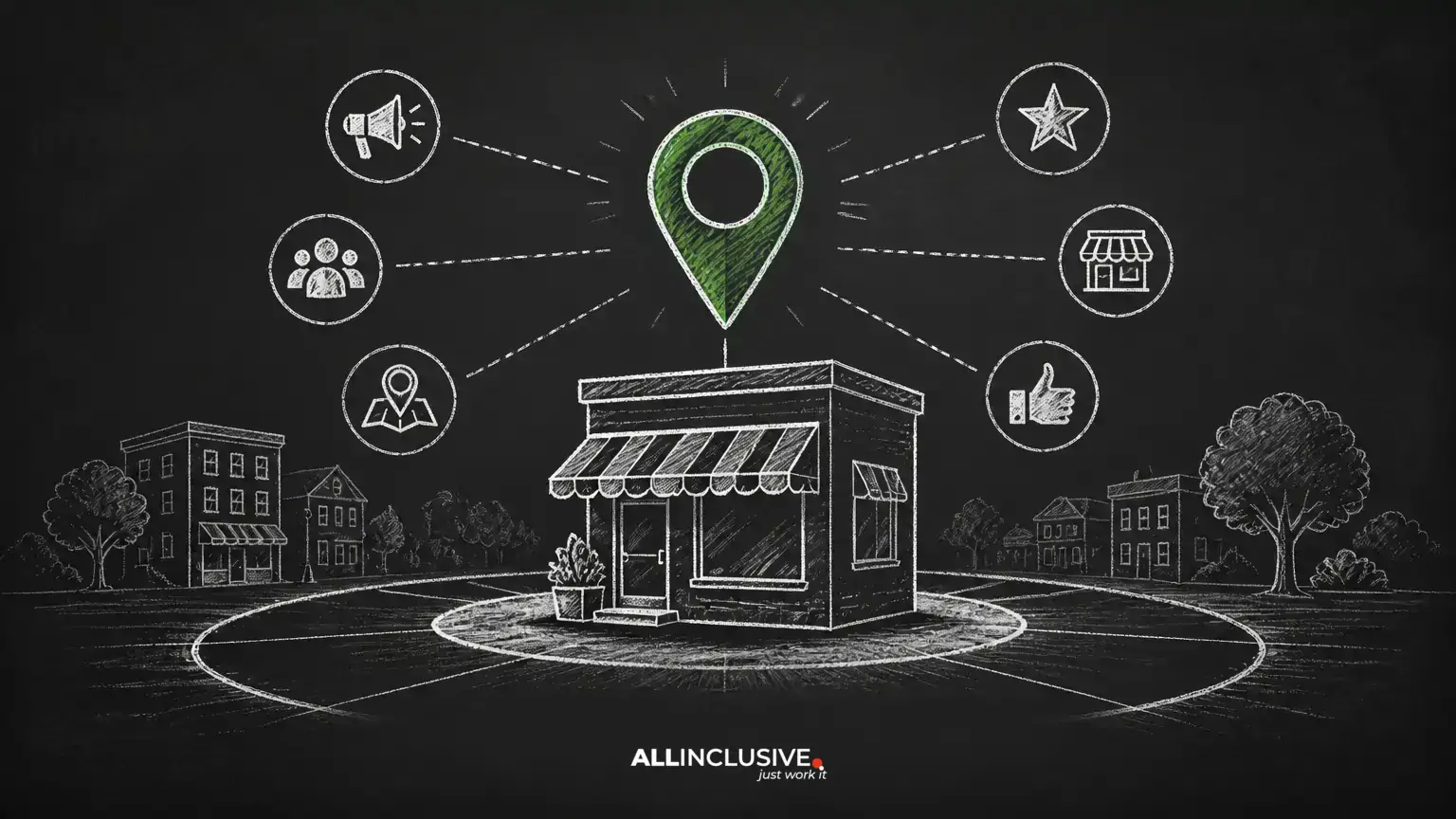
For a bakery, local search visibility is less about reaching everyone and more about reaching the people who can realistically visit, place an order, or arrange delivery. A search such as “bakery near me,” “custom birthday cake,” or “fresh bread in [city]” often reflects immediate intent. The business that provides the clearest, most trustworthy local information has a better chance of being considered.
Local SEO does not replace good products, service, or an easy ordering process. It helps those strengths become discoverable when nearby customers are choosing among alternatives. This guide explains a practical framework for improving a bakery’s local presence without relying on keyword stuffing, unsupported promises, or shortcuts.
Start with the bakery’s real service area
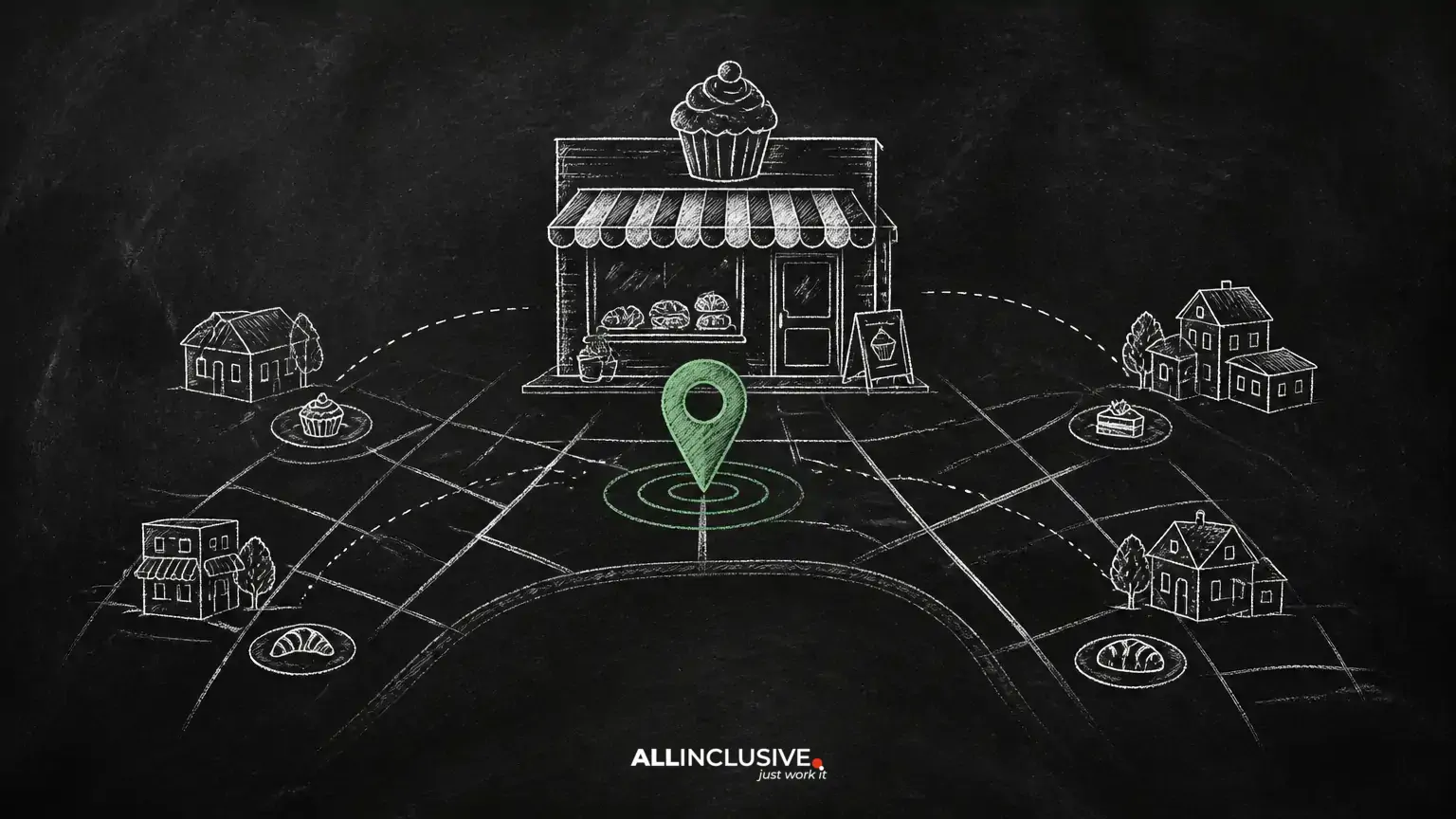
Before changing a profile or writing new pages, define where the bakery actually serves customers. A storefront may attract people from nearby neighborhoods, while catering, wholesale delivery, and custom orders may cover a wider area. These are different audiences with different needs.
Document the answers to questions such as:
- Where is the physical storefront?
- Which neighborhoods or towns are realistically within the delivery or service area?
- Does the bakery offer pickup, delivery, catering, wholesale supply, or event orders?
- Which products are available every day, and which require advance notice?
- What information must a customer know before contacting or visiting?
This prevents a common mistake: targeting broad, high-volume phrases that attract people the business cannot serve. Local relevance is more useful than an inflated audience that cannot become a customer.
Make the Google Business Profile accurate and useful
A Google Business Profile can help customers discover a bakery in map results and branded searches. Its value depends on accuracy and completeness, not on inserting extra keywords into the business name.
Use the real-world business name
The profile name should match the name used on the storefront, website, signage, and customer communications. Do not add a city, product list, or promotional phrase merely to influence rankings. An inaccurate name can create confusion and may conflict with platform guidelines.
Choose categories that describe the business
Select the most specific primary category that accurately represents the bakery. Add secondary categories only when they reflect genuine offerings, such as a cafe, dessert shop, or wholesale bakery. Categories should describe what the business is, not every query it hopes to appear for.
Write a customer-focused description
The description should explain what the bakery sells, where it serves customers, and what makes the visit or order useful. Mention meaningful offerings naturally, such as custom cakes, pastries, sourdough bread, breakfast items, catering, or event orders. Avoid a block of repeated locations and keywords.
A useful description answers three questions: What does the business offer? Who is it for? What should a customer do next? Keep claims specific and verifiable, and review the profile whenever services, hours, or policies change.
Maintain hours, attributes, and ordering details
Incorrect hours can damage trust more quickly than an incomplete profile. Keep regular hours, holiday changes, pickup instructions, delivery options, payment methods, accessibility details, and ordering links current. If an item is seasonal or requires advance notice, say so on the relevant page or ordering flow.
Build a website that supports local intent
The profile is only one part of the local search experience. The bakery’s website should confirm the information shown elsewhere and help visitors take action.
Create a strong location and contact page
A location page should include the official business name, address, phone number, opening hours, parking or access guidance, service area, and clear directions. Add prominent links for ordering, pickup, catering, or contacting the team. Write for a customer who is deciding whether a visit is practical.
Use one authoritative version of the address and phone number across the site. Avoid creating thin pages for every nearby neighborhood when the bakery has no distinct service, location, or useful information for those places.
Give important offerings their own useful pages
Separate pages can help customers and search engines understand meaningful services, such as custom cakes, wedding desserts, catering, wholesale orders, or delivery. Each page should explain availability, lead times, order requirements, service boundaries, examples, and the next step.
A page about custom cakes, for example, can explain design consultation, serving sizes, allergen questions, deposit policies, pickup timing, and how to request a quote. This is more useful than repeating “custom cakes in [city]” throughout a short page.
Support neighborhood relevance naturally
If nearby communities are important markets, mention them where the information is genuinely helpful: delivery coverage, event service, directions, or customer policies. Do not imply a storefront exists in a neighborhood where it does not. Clear service boundaries protect both the customer experience and the credibility of the site.
Use photos and menus as decision-support content
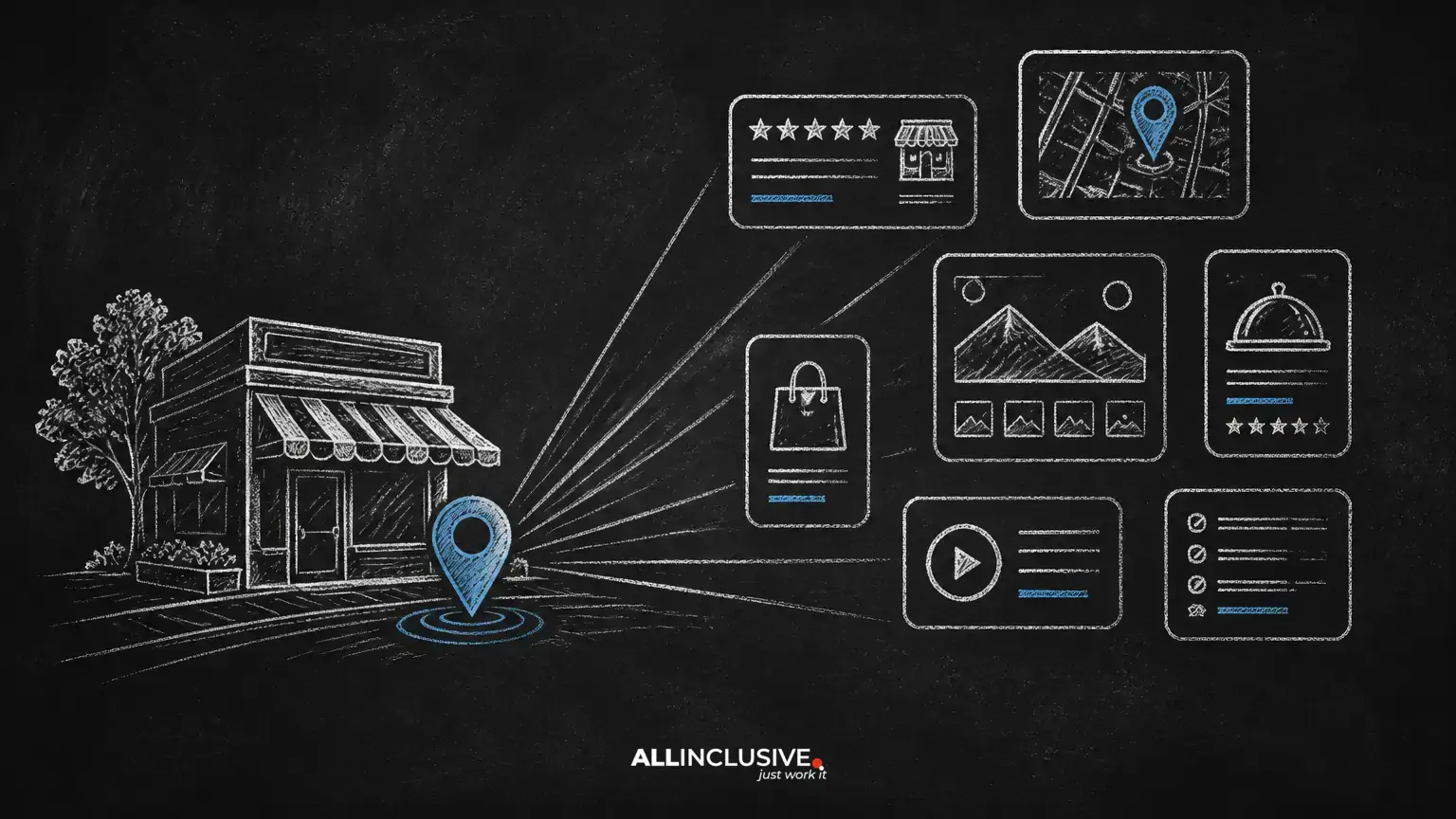
Food businesses benefit from visual information because customers want to know what they can buy and what the experience may be like. Use current, well-lit photos that represent the actual products, storefront, interior, packaging, and team where appropriate.
Images should support a decision rather than merely fill a gallery. Organize them around questions customers ask:
- What does the bakery sell?
- What does the storefront look like?
- Are there seating, pickup, or accessibility considerations?
- What do custom orders or catering packages look like?
- Are menus, seasonal items, or ordering instructions available?
Keep menus readable and current. If a menu changes frequently, make the latest version easy to find and include a way to confirm availability. Do not promise that every photographed item is available every day.
Handle reviews as an ongoing customer process
Reviews influence how prospective customers evaluate a local business. The sustainable approach is to deliver a good experience, invite honest feedback without pressure, and respond professionally.
Responses should be specific enough to show that the business is paying attention. Thank customers for useful positive feedback, and avoid copying the same sentence onto every review. For negative feedback, acknowledge the concern, avoid discussing private details publicly, and offer an appropriate offline way to resolve the issue.
Never offer rewards in exchange for positive reviews, write reviews for customers, or manipulate feedback. A review program should support honest customer input, not manufacture a rating.
Keep local business information consistent
Customers may encounter a bakery through directories, map services, social profiles, local organizations, event listings, or delivery platforms. Important business information should be consistent wherever the bakery controls or can reasonably update it.
Prioritize accuracy over quantity. A small set of relevant, maintained listings is more useful than a large collection of low-quality pages. Check for:
- Business name, address, and phone number consistency.
- Correct website and ordering links.
- Accurate categories and service descriptions.
- Duplicate listings that could confuse customers.
- Old hours, closed locations, or outdated menus.
Industry and community listings can be valuable when they are legitimate and relevant. Treat directory links as a byproduct of being present where customers genuinely look, not as a reason to publish the same information indiscriminately.
Measure local SEO with business outcomes
Rankings can fluctuate by location, device, query, competition, and searcher context. A useful measurement plan combines visibility signals with actions that matter to the bakery.
Track trends such as:
- Calls, direction requests, website visits, and profile interactions.
- Orders, quote requests, catering inquiries, or reservation actions.
- Organic visits to location and service pages.
- Queries that reveal product and local demand.
- Customer questions that indicate missing website information.
Review the data over consistent periods rather than treating a single ranking check as proof of success. Annotate meaningful changes, including new pages, revised hours, seasonal demand, menu updates, or changes in service coverage. Search performance should be interpreted alongside conversion quality and operational capacity.
A practical local SEO workflow
- Audit the customer journey: search for the bakery’s brand, location, products, and services, then note inaccurate or missing information.
- Fix core facts: update the business profile, website contact details, hours, categories, and ordering paths.
- Improve priority pages: strengthen the location page and create useful pages for important services.
- Publish supporting evidence: add current photos, menus, FAQs, ordering requirements, and service details.
- Build a review habit: request honest feedback and respond consistently and professionally.
- Check relevant listings: correct important directories and remove or address duplicates where possible.
- Measure and refine: compare visibility with calls, visits, inquiries, and orders, then address the largest customer-information gap.
Conclusion
Effective local SEO for a bakery is a trust and clarity project. The goal is to help nearby customers understand what the bakery offers, where it is, when it is open, how to order, and whether it can meet their needs. Accurate profile data, useful service pages, honest reviews, consistent listings, and disciplined measurement create a stronger foundation than keyword stuffing or directory volume.
For a broader framework covering technical, content, and search strategy, explore Allinclusive’s local SEO services. Businesses evaluating local search as part of a wider organic growth plan can also review the SEO services overview.