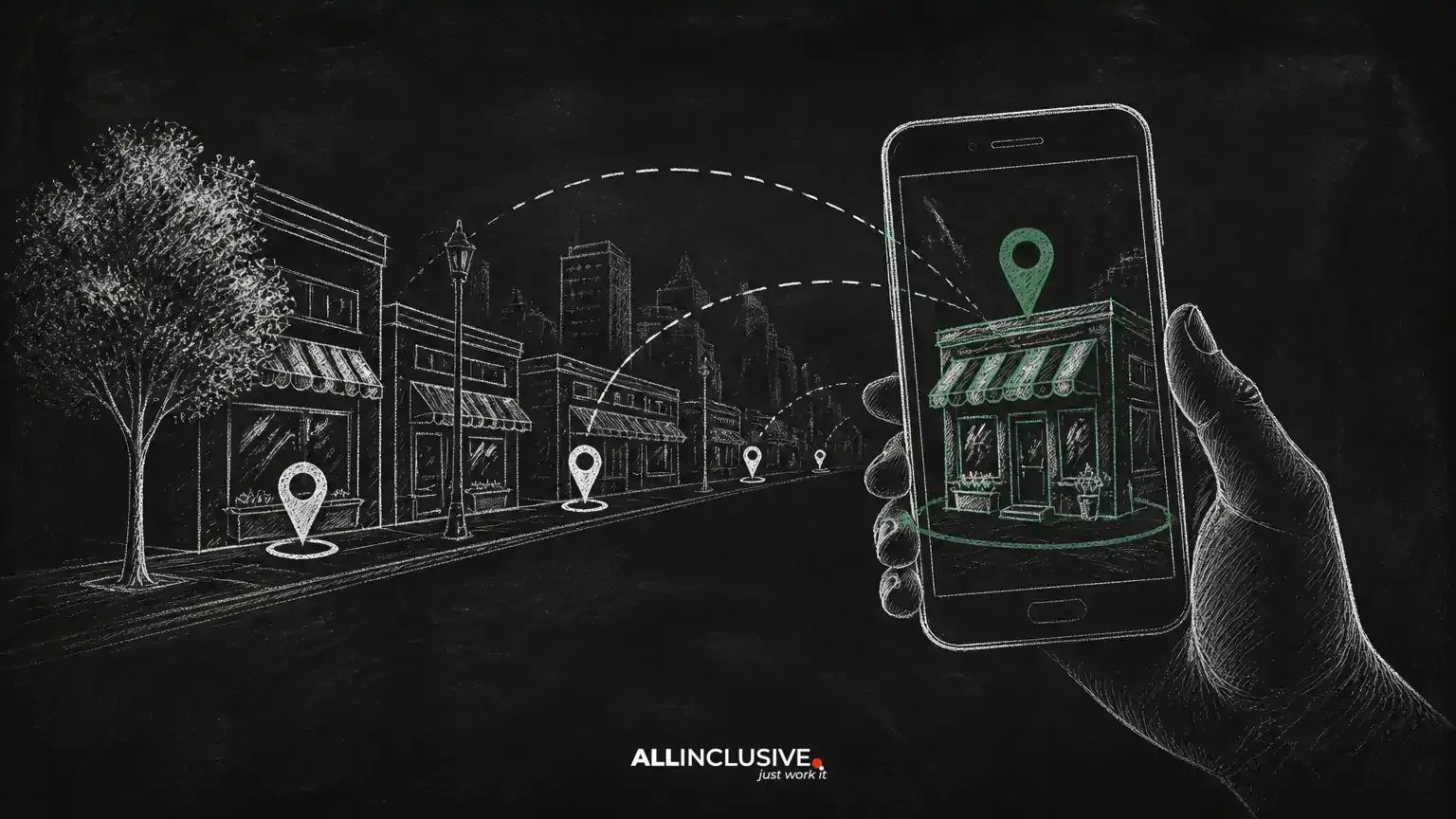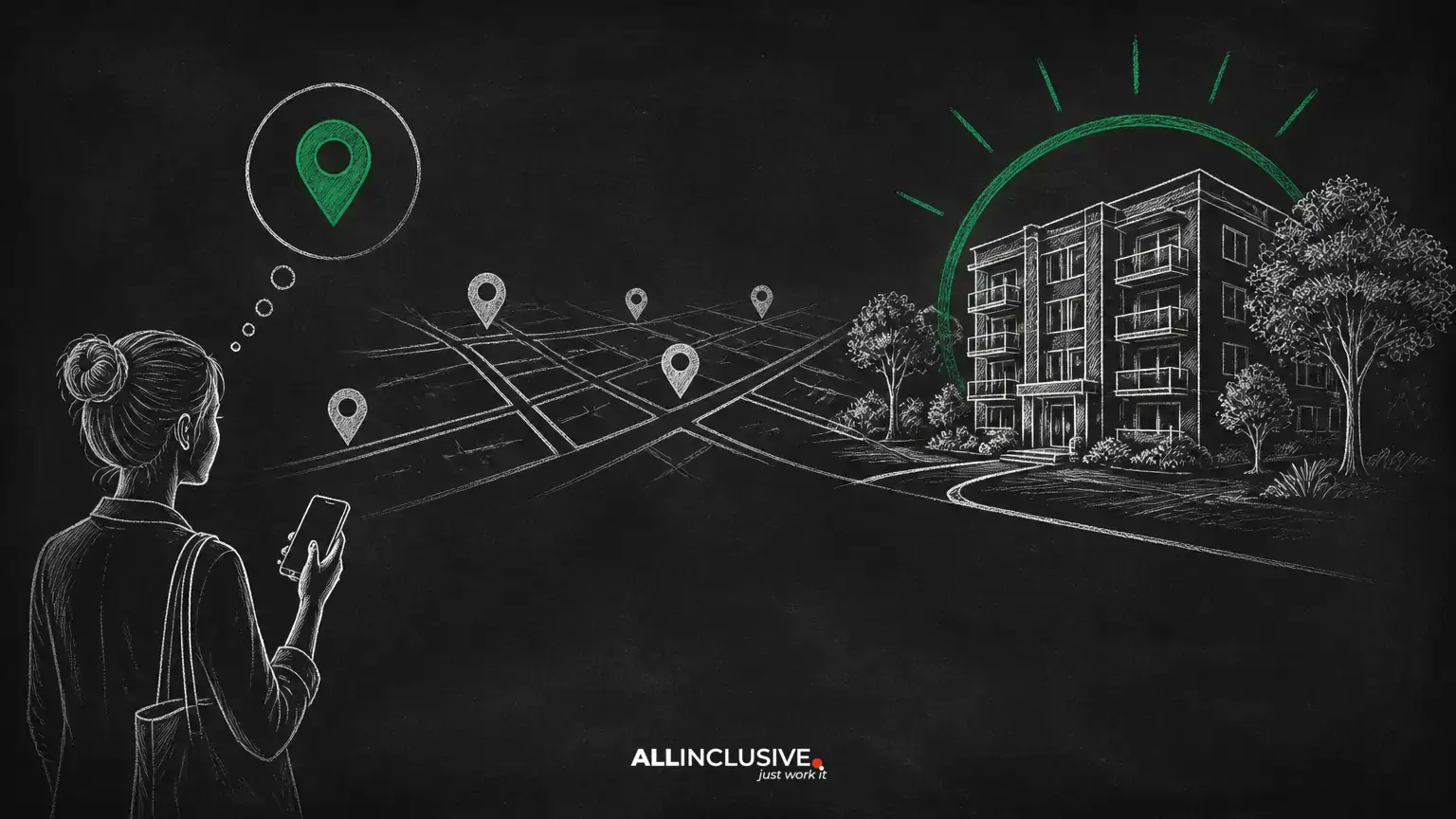
Apartment searches are inherently local. A prospective renter may search for a neighborhood, commute, school area, transit connection, or a specific type of home long before they know which property they want to visit. If your community is difficult to find in those searches—or if its information is incomplete and inconsistent—you may lose attention before a prospect reaches your website.
Local SEO helps an apartment community appear when people search for relevant properties and neighborhood information. It is not a single listing submission or a shortcut to instant rankings. It is an ongoing process of making your business details accurate, publishing genuinely useful local information, earning trust, and providing a clear next step for prospective renters.
This guide explains a durable framework for improving local visibility without relying on unsupported ranking promises or outdated tactics. For broader search strategy support, see Allinclusive local SEO services.
1. Establish one accurate business identity
Search platforms need to understand which property a listing represents and how a user can contact it. Start by creating a consistent identity for each apartment community, including its official name, physical address, local phone number, website URL, office hours, and leasing information.
Review the community’s presence on the major platforms that matter to your audience, including map services, business directories, apartment marketplaces, and relevant local resources. Claim profiles where appropriate and document the approved version of every core detail. Consistency does not mean copying the same description everywhere; it means avoiding conflicting facts.
Audit the details that most often cause confusion
- Property name, including whether a parent brand or neighborhood name is part of the official identity.
- Street address, unit or suite information, city, state, and postal code.
- Primary phone number and leasing office contact details.
- Website and floor-plan URLs.
- Office hours, tour availability, and holiday changes.
- Property category and amenities.
- Photos that accurately represent the current property.
Remove or correct duplicate profiles when platform rules allow it. Do not create separate listings for individual amenities, buildings, or nearby neighborhoods unless the platform’s guidelines clearly support that structure. Multiple inaccurate profiles can divide reviews and create a poor experience for searchers.
2. Make the property website useful for local decisions
A local listing can earn a click, but the website must answer the questions that follow. Build a clear property page that confirms the address, contact options, available home types, amenities, accessibility information, pet policies, parking details, and tour or application steps. Keep important information in readable HTML rather than hiding it only inside images or interactive elements.
Use descriptive page titles and headings that reflect the property and its location naturally. Avoid repeating a city or neighborhood name in every sentence. Search engines and renters both benefit from specific, accurate language such as the property’s actual neighborhood, nearby transit options, and the types of homes available.
Improve the path from search to inquiry
- Place a visible call, inquiry, or tour action near the top of the page.
- Explain what happens after a visitor submits a form.
- Keep forms short and request only information needed for the next step.
- Show current availability or clearly direct users to an updated availability page.
- Ensure the website works well on mobile devices.
- Use descriptive alternative text for meaningful property images.
Do not publish claims such as “best,” “closest,” or “luxury” unless they are supported and useful to the audience. Specific evidence—such as a named transit station, a stated amenity, or a clearly described floor plan—is more credible than promotional language alone.
3. Publish genuinely local content
Local content should help someone decide whether the property and surrounding area fit their needs. It should not be a collection of thin pages made only to repeat place names. Choose topics based on real questions from leasing teams, residents, and prospective renters.
Useful examples include a neighborhood guide, a moving checklist for the area, a commute-planning guide, an explanation of parking options, or a comparison of apartment layouts for different household needs. A local guide can discuss nearby services and attractions, but it should be maintained when details change and should distinguish between verified information and general suggestions.
Use a clear structure for location pages
- Define the audience: Identify whether the page is for commuters, students, families, pet owners, relocating professionals, or another relevant group.
- Answer practical questions: Cover transportation, shopping, services, recreation, access, and other decision factors that matter to that audience.
- Add property context: Explain how the community relates to the area without overstating distance or convenience.
- Support claims: Link to appropriate official or first-party resources when a detail could change.
- Provide a next step: Let readers view homes, request information, or schedule a tour.
Each page should have a distinct purpose. If two pages target the same neighborhood and answer the same questions, combine them rather than creating competing URLs. Review local pages periodically for closed businesses, changed transit information, outdated events, and unavailable amenities.
4. Treat reviews as a service process
Reviews influence how prospective renters interpret a community. They also reveal recurring questions and operational issues that marketing copy may not show. A responsible review program starts with resident experience, not with attempts to manipulate ratings.
Invite feedback through permitted channels and make the request easy to understand. Do not offer rewards for positive reviews, pressure residents to remove criticism, or ask only selected people to leave feedback if that would violate a platform’s policies or applicable rules. Encourage honest reviews from people with a genuine experience of the property.
Respond with consistency and care
- Thank reviewers for taking the time to respond.
- Address specific concerns without exposing private resident information.
- Move account-specific discussions to an appropriate private channel.
- Explain meaningful improvements when it is useful and accurate to do so.
- Use recurring complaints as input for operations, not merely reputation management.
Review responses are public customer-service content. A calm, specific response can provide context for future readers even when the original review is negative. Never publish confidential details or make promises that the property cannot keep.
5. Use visual content to support discovery and conversion
Apartment shoppers need to understand the property before deciding whether to inquire. Current photography, floor-plan imagery, video tours, amenity images, and accessibility information can reduce uncertainty. Visual assets should represent the actual community and should be labeled accurately.
Optimize images by choosing useful filenames, writing concise alternative text, compressing large files, and specifying dimensions to reduce layout shifts. A photo of a pool, for example, should not be used to imply that every building has pool access if that is not true. If a photo shows a staged or model unit, label it clearly and explain whether finishes or furnishings may vary.
Video can support users who cannot visit immediately, but it should complement—not replace—textual details. Include captions where appropriate and provide the key information in accessible page content.
6. Build local relevance without manufactured links
Relationships with legitimate local organizations can help a property become more useful and visible. Consider community events, resident resources, neighborhood associations, relocation resources, or partnerships that provide genuine value. A mention or link is most defensible when it reflects a real relationship or a useful resource, not when it exists solely to influence rankings.
Helpful content may be shared by local organizations because it solves a problem for their audience. That is more sustainable than buying low-quality links, creating fake local pages, or placing a property in directories that have no editorial purpose.
7. Measure outcomes that reflect renter intent
Rankings alone do not show whether local SEO is helping the leasing process. Establish a baseline and monitor a combination of visibility, engagement, and business actions. Available reporting will vary by platform, so define the measurement method before making changes.
- Impressions and clicks for local queries.
- Views and interactions on business profiles.
- Calls, messages, directions requests, and website visits.
- Tour requests and completed inquiry forms.
- Organic landing-page engagement and conversion paths.
- Review volume, response coverage, and recurring themes.
- Accuracy issues, duplicate listings, and broken links.
Separate branded searches from discovery searches where possible. Compare performance by property, location, page type, and time period while accounting for seasonality, availability, pricing, and changes in advertising. A page that attracts traffic but produces no relevant inquiries may need a clearer offer or better alignment with search intent.
A practical local SEO workflow
- Inventory: Record listings, website pages, contact details, reviews, images, and known data conflicts.
- Prioritize: Fix inaccurate identity information and broken conversion paths before expanding content.
- Improve: Strengthen property pages, local guides, review processes, and visual assets.
- Verify: Check published information against operational reality.
- Measure: Track meaningful actions and search visibility using a consistent reporting period.
- Maintain: Revisit listings, pages, reviews, and availability as the property changes.
Conclusion
Effective local SEO for an apartment community is the combined result of accurate information, useful local content, trustworthy reviews, accessible property pages, and a reliable leasing experience. Start with the details that affect whether a renter can find and contact the community. Then build content and measurement practices that help the property remain useful as inventory, neighborhoods, and renter questions change.
If local visibility is part of a wider acquisition plan, explore SEO services from Allinclusive for a broader search strategy conversation.