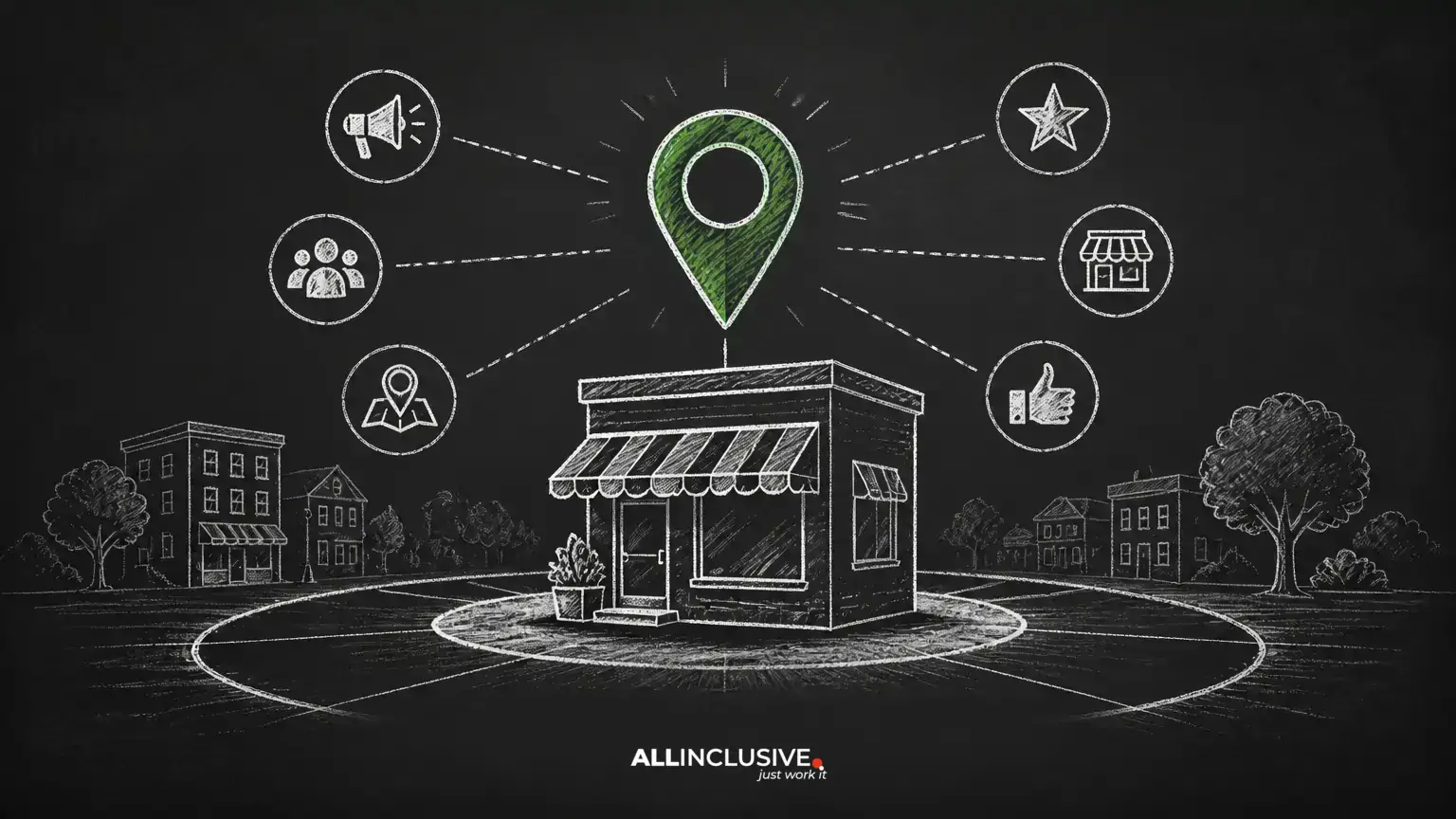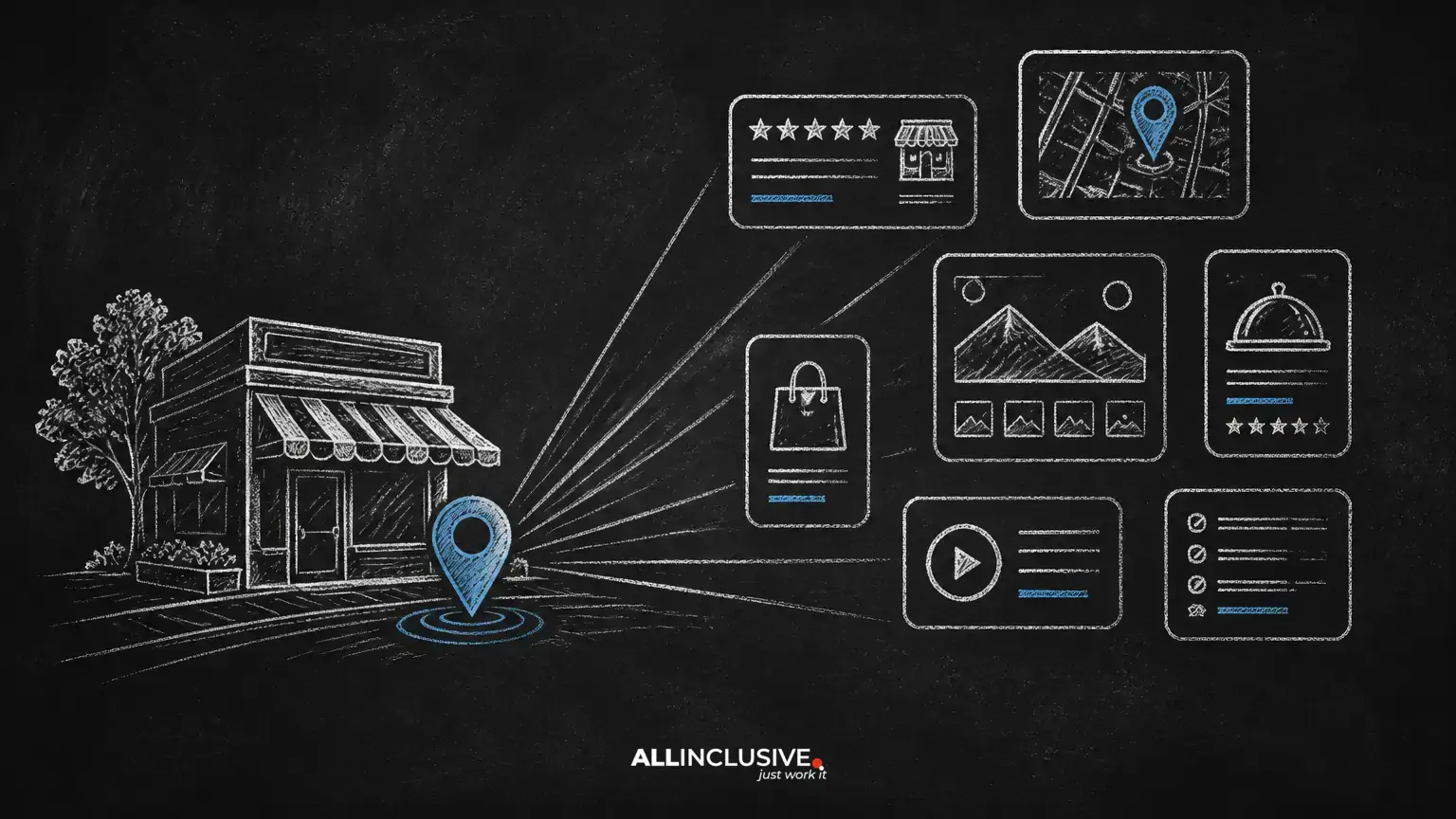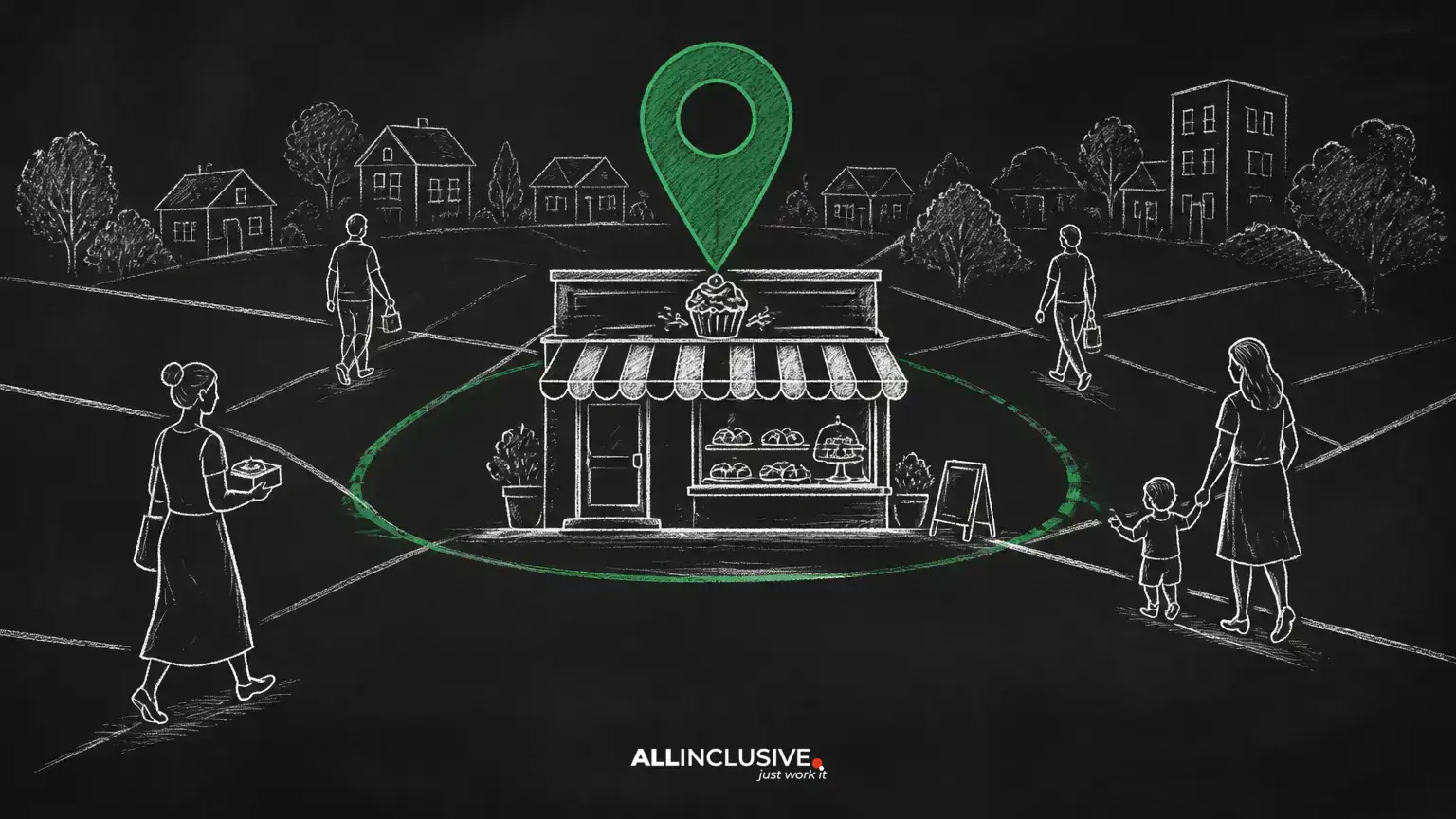
For a bakery, local search visibility can influence where a customer stops for breakfast, who receives a catering inquiry, or which shop gets a holiday order. People often search with immediate needs: a bakery nearby, fresh bread open now, custom cakes in a specific area, or pastries available for pickup.
Local SEO helps a bakery appear when those searches occur. It is not a single listing update or a shortcut to guaranteed rankings. It is the ongoing work of making the business, its location, products, service areas, and customer experience clear to search engines and people.
This guide explains a durable approach to local SEO for bakeries and similar neighborhood businesses. The same principles apply to cafés, specialty food shops, restaurants, and service-area businesses.
Start with the searches that reflect real customer needs
Local SEO becomes more useful when it begins with customer decisions rather than a large list of disconnected keywords. A bakery may need visibility for several distinct types of search:
- Discovery searches: bakery near me, artisan bread nearby, or pastry shop in a named neighborhood.
- Product searches: sourdough bread, custom birthday cakes, croissants, gluten-free pastries, or wedding desserts.
- Action searches: bakery open now, cake order pickup, delivery, catering, or holiday preorders.
- Brand and navigation searches: the bakery’s name, address, phone number, directions, or opening hours.
These searches can have different landing-page needs. Someone looking for a custom cake should not be sent only to a generic homepage. Someone checking opening hours may need a clear business profile and contact details more than a long article.
Map the intent to a useful page
Create a simple map before changing the website. Match each important customer need to the page that can answer it best:
| Customer need | Useful destination | Information to include |
|---|---|---|
| Find the shop | Location or contact page | Address, phone, hours, parking or access information, and directions |
| Choose a product | Product or category page | Descriptions, availability guidance, photos, sizes, prices where appropriate, and ordering instructions |
| Place a custom order | Custom-order page | Lead time, service area, consultation process, examples, and a clear inquiry action |
| Plan an event | Catering or event page | Menu options, order minimums, timing, delivery or pickup details, and contact method |
This structure gives search engines clearer context and gives visitors a more direct route to the next step.
Build a complete and accurate business profile
A bakery’s business profile is often one of the first places a potential customer encounters the business. Treat it as a customer-facing source of truth, not as a box to check.
Review the core details regularly:
- Business name, address, and local phone number.
- Regular opening hours and clearly communicated holiday or special hours.
- Primary and secondary business categories that accurately describe the business.
- Website URL and the most useful page for customers.
- Ordering, pickup, delivery, reservation, or appointment options, when applicable.
- Current photos showing the storefront, interior, products, packaging, and customer experience.
- Attributes that genuinely describe the business and its offerings.
Accuracy matters because inconsistent information can create friction even when rankings are unaffected. A customer who arrives after an outdated closing time may not return. Before publishing changes, confirm details with the owner or the person responsible for operations.
Use photos as evidence, not decoration
Visual content can help visitors understand what to expect. Use clear, representative images rather than heavily edited photos that create unrealistic expectations. Include descriptive filenames and alternative text where the website supports it, but do not force keywords into image descriptions. The image should be understandable to someone who cannot see it.
Make the website useful for local visitors
A local business website should answer practical questions quickly. A visitor should be able to determine what the bakery sells, where it is located, when it is open, and how to order without searching through several pages.
Place essential information in prominent locations:
- A clear statement of the bakery’s main products and location.
- Clickable phone and ordering links on mobile devices.
- A consistent address and opening-hours presentation.
- Links to product, custom-order, catering, and contact pages.
- Pickup, delivery, parking, accessibility, and lead-time information where relevant.
Write naturally for the customers the bakery serves. A page can mention a neighborhood or service area when that information is genuinely useful, but repeating place names unnaturally makes the page harder to read and does not create a better customer experience.
Create pages for meaningful offerings
Do not create thin pages for every nearby street or town. Instead, build pages around meaningful offerings that customers may actively seek. Examples include custom cakes, wedding desserts, corporate catering, wholesale bread, or online ordering.
Each page should provide original value. Explain the offering, show relevant examples, describe the ordering process, answer common questions, and include a clear next step. If two pages contain nearly identical information, consolidate them or make their purposes distinct.
Improve mobile usability and technical foundations
Local searches frequently lead to immediate actions, so mobile usability deserves practical attention. A potential customer may be standing outside, comparing options, calling from a phone, or trying to place an order between other tasks.
Review the site for:
- Readable text and comfortable tap targets.
- Fast access to phone, directions, hours, and ordering actions.
- Images that are appropriately sized and not unnecessarily heavy.
- Secure browsing and a stable, accessible layout.
- Descriptive page titles and headings that match the page’s purpose.
- One clear canonical version of important URLs.
- Helpful error pages and working internal links.
Technical improvements should support people first. Do not remove useful information merely to make a page shorter, and do not add structured data that does not accurately describe the visible business details. Any implementation should be checked in the site’s actual content management system and tested after deployment.
Earn trust through reviews and local relationships
Reviews can influence customer confidence and help a bakery understand how its experience is perceived. Ask satisfied customers for honest feedback through appropriate, non-coercive methods. Do not offer incentives for positive reviews or script responses that make every interaction sound identical.
Respond to reviews professionally:
- Thank customers for specific positive feedback.
- Acknowledge legitimate concerns without disclosing private information.
- Move detailed service recovery conversations to an appropriate private channel.
- Correct factual misunderstandings calmly and accurately.
Local relevance can also come from genuine relationships. Community events, partnerships with complementary businesses, local suppliers, charitable activities, and industry organizations may create useful referral paths or editorial mentions. Pursue these relationships because they benefit the community and business, not solely to manufacture links.
Publish content that supports decisions
A bakery does not need a high-volume blog to benefit from content. Useful content can be short, specific, and closely connected to customer questions. Consider:
- How far in advance to order a custom cake.
- How pickup and delivery work.
- What to expect when ordering desserts for an event.
- How to store or serve a particular product.
- Seasonal ordering deadlines, with dates reviewed before publication.
- Ingredient or allergen information that is accurate and carefully qualified.
Keep operational details current. A page that contains an expired preorder deadline or discontinued product can damage trust. Assign responsibility for reviewing time-sensitive content and mark internal verification needs before publishing changes.
Measure actions, not traffic alone
Local SEO reporting should connect search visibility to useful business actions. Depending on the business model, monitor trends such as:
- Calls or contact requests from organic visitors.
- Direction requests or visits to the location profile.
- Online orders, pickup requests, or catering inquiries.
- Engagement with important product and service pages.
- Search queries that reveal new customer needs.
- Visibility for priority locations and offerings.
Interpret these signals carefully. A change in calls or visits may reflect seasonality, opening-hours changes, promotions, weather, competition, or tracking problems. Compare sensible time periods and annotate major business changes rather than attributing every movement to SEO.
For a broader strategic framework, compare local work with the technical, content, and measurement considerations described in SEO services. Local optimization works best when it is connected to the rest of the website rather than managed as an isolated listing task.
A practical local SEO checklist for bakeries
- List the products, services, locations, and customer actions that matter most.
- Match each priority intent to the most useful existing or planned page.
- Audit business name, address, phone, hours, categories, and ordering details.
- Improve the homepage and key service pages so visitors can act quickly.
- Check mobile usability, page accessibility, internal links, and technical stability.
- Update photos and publish accurate, representative business information.
- Request honest reviews and respond in a helpful, consistent manner.
- Create only content that answers real customer questions or supports a purchase decision.
- Track calls, inquiries, directions, orders, and qualified organic visits.
- Review seasonal and operational details before they become outdated.
Conclusion
Effective local SEO for a bakery is the disciplined practice of being clear, accurate, useful, and trustworthy wherever customers search. A complete business profile, a mobile-friendly website, relevant offering pages, authentic local relationships, and sensible measurement create a stronger foundation than keyword repetition or short-term ranking promises.
Start with the customer journeys that matter most, fix the information that could cause confusion, and improve the pages that help people choose and act. Then review performance over time and refine the work as the bakery, its offerings, and its community change.