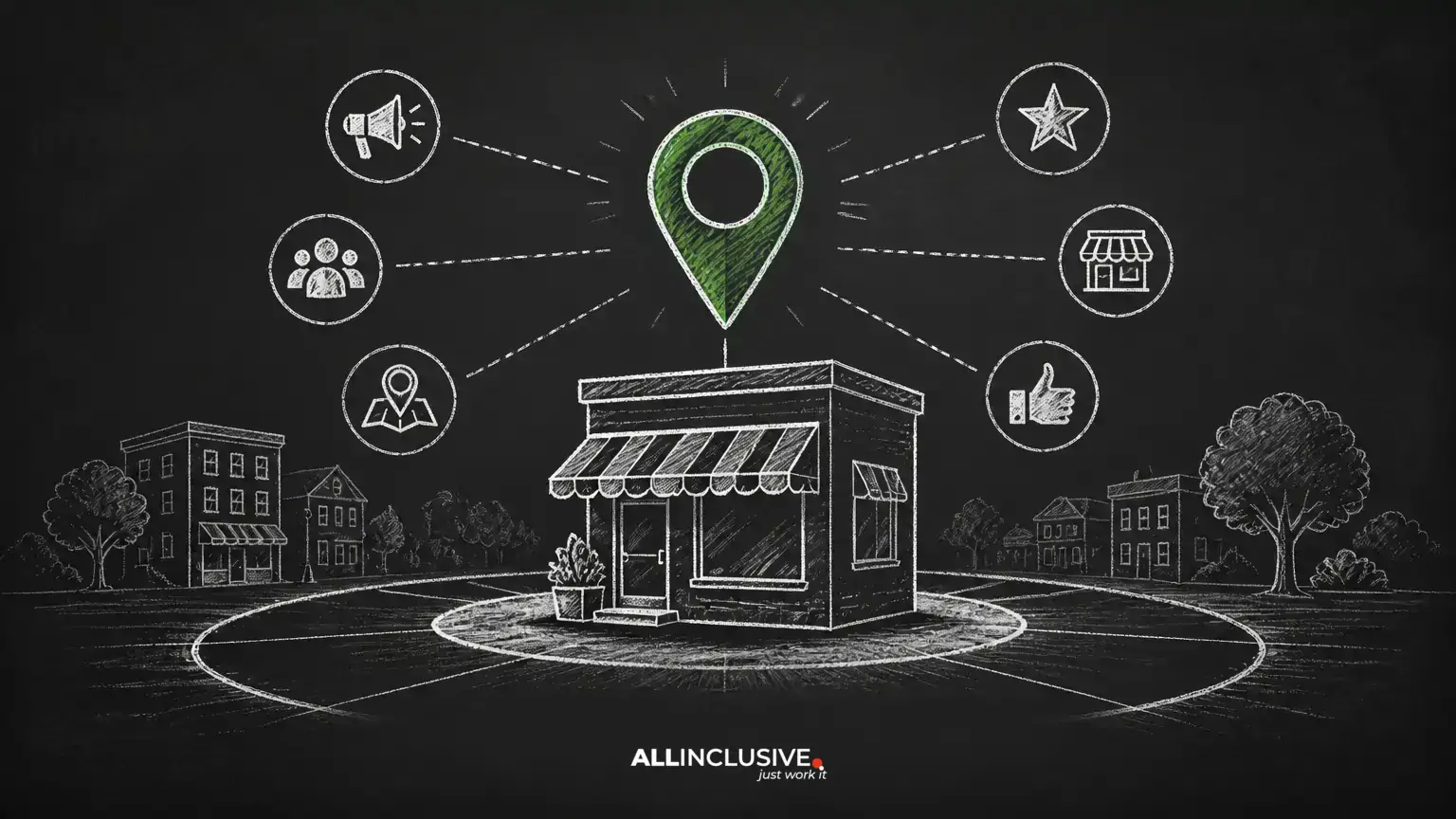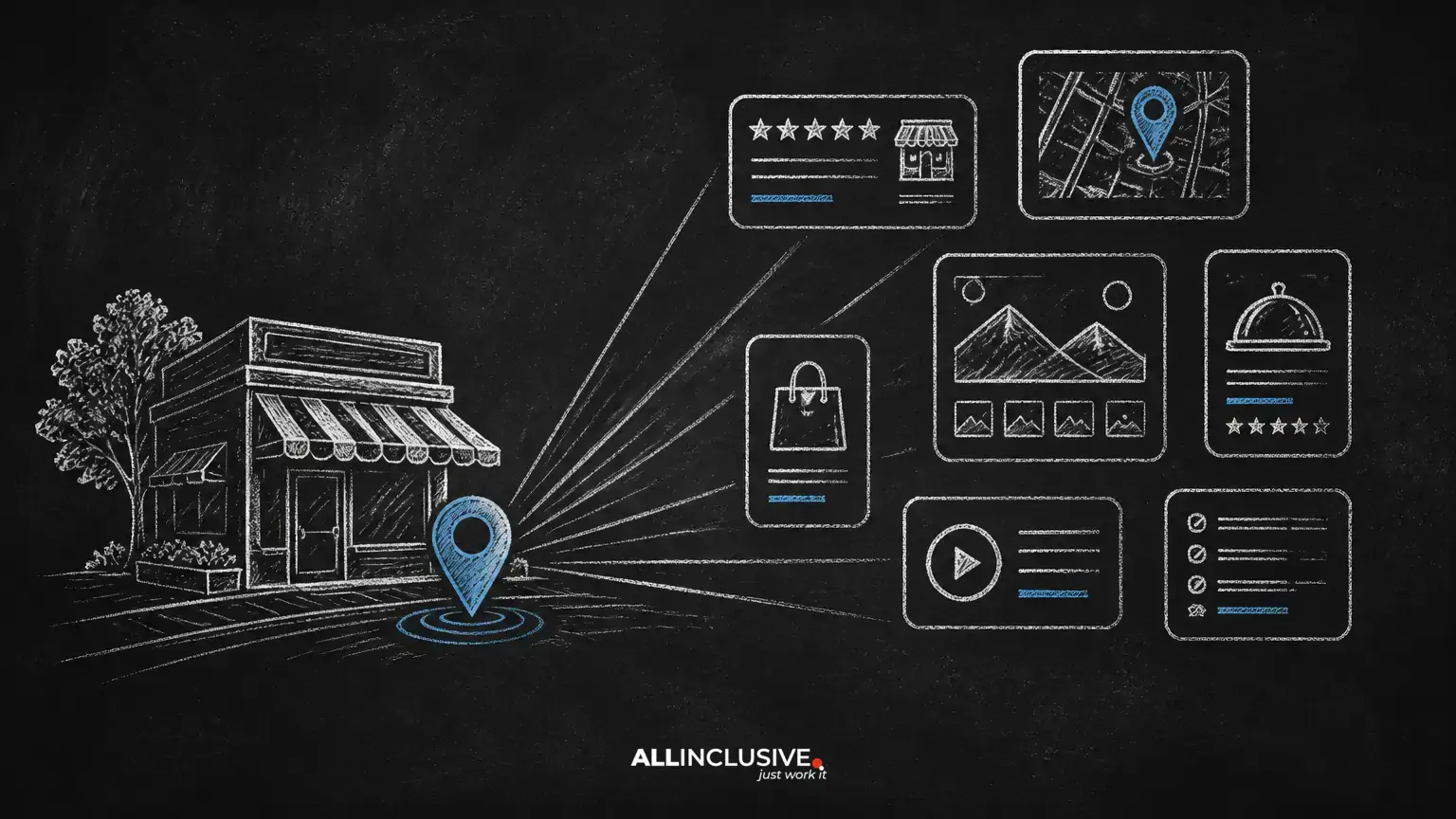
People rarely choose a local business from a name alone. Before calling, visiting, or requesting a quote, they often look for evidence: clear services, accurate contact details, helpful answers, credible reviews, and signs that the business understands its market. Those same signals help search engines interpret whether a local result is useful and trustworthy.
Expertise, authority, and trust are not a checklist that guarantees rankings. They are a practical framework for making a local business easier to understand and safer to choose. The work is cumulative: publish useful information, keep business details accurate, serve customers well, and make proof of that work easy to find.
This guide explains how to turn that principle into a durable local SEO process.
What expertise, authority, and trust mean for local businesses
Expertise
Expertise is demonstrated knowledge applied to a customer’s real problem. A local contractor can explain how to prepare for an installation, a clinic can clarify what a service involves, and a professional firm can outline the factors that affect a client’s decision. Expertise does not require complicated language. It requires accurate, specific, audience-appropriate guidance.
Authority
Authority is the recognition a business earns from customers, relevant organizations, publications, partners, and other credible sources. A business may build authority through meaningful community involvement, professional credentials, useful collaborations, local coverage, or references from organizations that genuinely know its work.
Trust
Trust is the confidence that the business is legitimate, transparent, and likely to deliver what it promises. Visitors look for consistent contact information, understandable pricing or process details, accessible policies, real customer feedback, and a straightforward way to ask questions or get help.
These qualities overlap, but they are not interchangeable. A business can publish frequently without demonstrating expertise, receive attention without earning authority, or have strong credentials while presenting a confusing customer experience. Effective local SEO brings the three together.
Start with a reliable local business foundation
Before creating more content or pursuing mentions, audit the information customers use to identify and contact the business.
- Business name: Use the real-world name consistently rather than adding promotional phrases to listings.
- Address and service area: State where customers can visit or which areas the business actually serves. Do not imply a physical presence where none exists.
- Phone and contact methods: Make the primary contact path easy to find and keep it current.
- Hours: Review regular, seasonal, and holiday hours whenever they change.
- Services: Describe the services clearly and distinguish primary offerings from related options.
- Website links: Send users to the most relevant page, not always the homepage.
Consistency matters because conflicting details create friction for people and ambiguity for systems. Keep a simple record of official business information, then use it as the reference point when reviewing the website, directory profiles, social pages, and partner listings.
Make the website prove that the business is real and relevant
A local website should answer the questions a prospective customer has before making contact. At minimum, visitors should be able to understand who the business serves, what it offers, where it operates, how to begin, and what happens next.
Strengthen the core pages
The homepage should establish the business and its primary value. Service pages should explain the work in enough detail to support a decision. Location or area pages should be genuinely useful for the places served rather than lightly modified copies of one another. An About page can explain experience, qualifications, team roles, operating principles, and community connections when those details are relevant and verifiable.
Use specific evidence instead of broad claims. “Experienced professionals” says little by itself. A clearer page might identify the types of projects handled, the qualifications required for the work, the process customers can expect, and the limitations or conditions that affect the outcome.
Show who is responsible for the information
Where subject matter calls for specialized knowledge, identify the author, reviewer, or responsible professional. Include relevant credentials only when they are current and accurate. A short author note can help readers understand why the person is qualified to explain the topic.
Keep conversion paths transparent
Trust can be weakened by hidden fees, aggressive pop-ups, unclear forms, or promises that the business cannot support. Explain what happens after a form submission or phone call. If a quote requires an inspection, say so. If service availability varies by location, make that clear.
Create content that answers local customer questions
Local content should not exist merely to attach a city name to a generic article. It should address questions that arise from the business’s services, customers, geography, regulations, climate, building types, travel patterns, or community context.
Useful topics often include:
- How to prepare for an appointment, consultation, repair, or delivery.
- What factors affect timing, cost, eligibility, or service availability.
- How customers can compare options without relying on misleading claims.
- Which warning signs indicate that professional help may be needed.
- What questions to ask before hiring a provider.
- How the business handles common local conditions or customer concerns.
Write from genuine knowledge. If a topic requires a licensed professional, current regulation, or specialized review, assign the content accordingly and identify information that should be verified before publication. Avoid presenting general education as individualized legal, financial, medical, or safety advice.
Use reviews as customer evidence, not as a numbers game
Reviews help prospective customers evaluate the experience of working with a business. Their value comes from relevance and credibility, not from treating customers as a source of promotional language.
Ask for feedback after a genuine interaction and follow the rules of the platform where the review is requested. Do not offer incentives for positive reviews, pressure customers to use particular wording, or suppress unfavorable feedback. Make the request easy and neutral.
Respond to reviews as part of customer service. A useful response acknowledges the person, addresses the substance of the feedback, and protects private information. For a negative review, move sensitive details to a private channel without becoming defensive. For positive feedback, thank the customer without copying a generic response to every reviewer.
Reviews should complement, not replace, first-party proof. A service page can explain the process; a review can describe the customer’s experience. Used together, they give readers a more complete picture.
Earn local authority through real relationships
Authority is stronger when it reflects real-world relevance. Look for opportunities that naturally connect the business to its community and profession:
- Contribute practical knowledge to local organizations or professional groups.
- Build partnerships with complementary businesses whose customers need related help.
- Participate in community projects that align with the business’s actual activities.
- Offer expert commentary or educational sessions when the business can add genuine value.
- Seek accurate coverage from relevant local or industry publications.
- Create resources that partners, customers, or community organizations would reasonably reference.
The goal is not to manufacture links or collect badges. A mention is useful when it reflects a real relationship and helps people discover credible information. Be selective about sponsorships, directories, and guest contributions; relevance and editorial quality matter more than volume.
Use structured information carefully
Structured data can help describe entities, services, locations, and content in a machine-readable format. It should reinforce information that is visible and accurate on the page, not introduce claims that visitors cannot verify.
Review the implementation whenever the business changes its name, location, hours, services, or contact details. Structured data is not a substitute for clear copy, accessible navigation, accurate listings, or a useful customer experience. If the implementation is complex, have a qualified developer validate it and monitor for errors.
Measure trust-building work with business outcomes
A third-party authority score can be useful for comparative research, but it is not a direct measure of customer trust or guaranteed search performance. Use a broader measurement set:
- Qualified calls, form submissions, bookings, directions requests, or store visits.
- Search impressions and clicks for relevant local service queries.
- Engagement with important service and location pages.
- Review volume, recency, themes, and response quality.
- Accuracy and completeness of business listings.
- Referrals and mentions from relevant local or industry sources.
- Conversion rate and the quality of leads, not only traffic volume.
Review these signals over a meaningful period and compare them with operational changes, seasonality, service availability, and promotional activity. Search visibility can fluctuate, so avoid attributing every movement to one page, review, or optimization.
A practical 90-day improvement plan
Days 1–30: remove uncertainty
- Confirm official name, address, phone, hours, service areas, and website URLs.
- Review the homepage, key service pages, contact page, and location pages for clarity.
- Identify unsupported claims, outdated qualifications, broken forms, and confusing calls to action.
- Document the questions customers ask before purchasing.
Days 31–60: publish useful proof
- Improve the highest-value service pages with process details, qualifications, limitations, and next steps.
- Publish a small set of genuinely useful answers based on customer questions.
- Create a consistent, compliant process for requesting and responding to reviews.
- Connect relevant professionals or authors to the information they review.
Days 61–90: strengthen local relationships
- Identify partners, associations, publications, and community groups relevant to the audience.
- Pursue only collaborations that provide real value and can be represented accurately.
- Review referral traffic, leads, listing accuracy, and customer feedback.
- Prioritize the next improvements based on customer impact rather than a checklist.
Conclusion
Expertise, authority, and trust are outcomes of consistent useful behavior. A local business builds them by explaining its work accurately, maintaining dependable information, earning authentic customer feedback, participating meaningfully in its community, and making the path to contact straightforward.
For businesses that need a broader technical and content roadmap, explore SEO services from Allinclusive.llc. The strongest local SEO strategy is not the one with the most activity; it is the one that makes the business easier to understand, verify, and choose.