Security patch management for custom web applications is not simply the act of applying an update. It is the operational process of identifying vulnerable components, assessing exposure, testing changes, releasing safely and verifying that the application remains secure and usable afterward. Another decision connected with security patch management web apps is covered in custom software development.
For a mature Laravel, PHP or Python system, that process must account for application code, third-party packages, operating-system images, databases, cloud services, authentication flows and deployment tooling. A patch that fixes one dependency can also change APIs, validation behavior, query performance or background jobs. The goal is controlled risk reduction—not indiscriminate updating.
This article explains how product and engineering teams can own patch management after launch, especially when the system has inherited code, incomplete documentation, active users and a roadmap that cannot stop for every maintenance task.
What security patch management covers in a custom web application
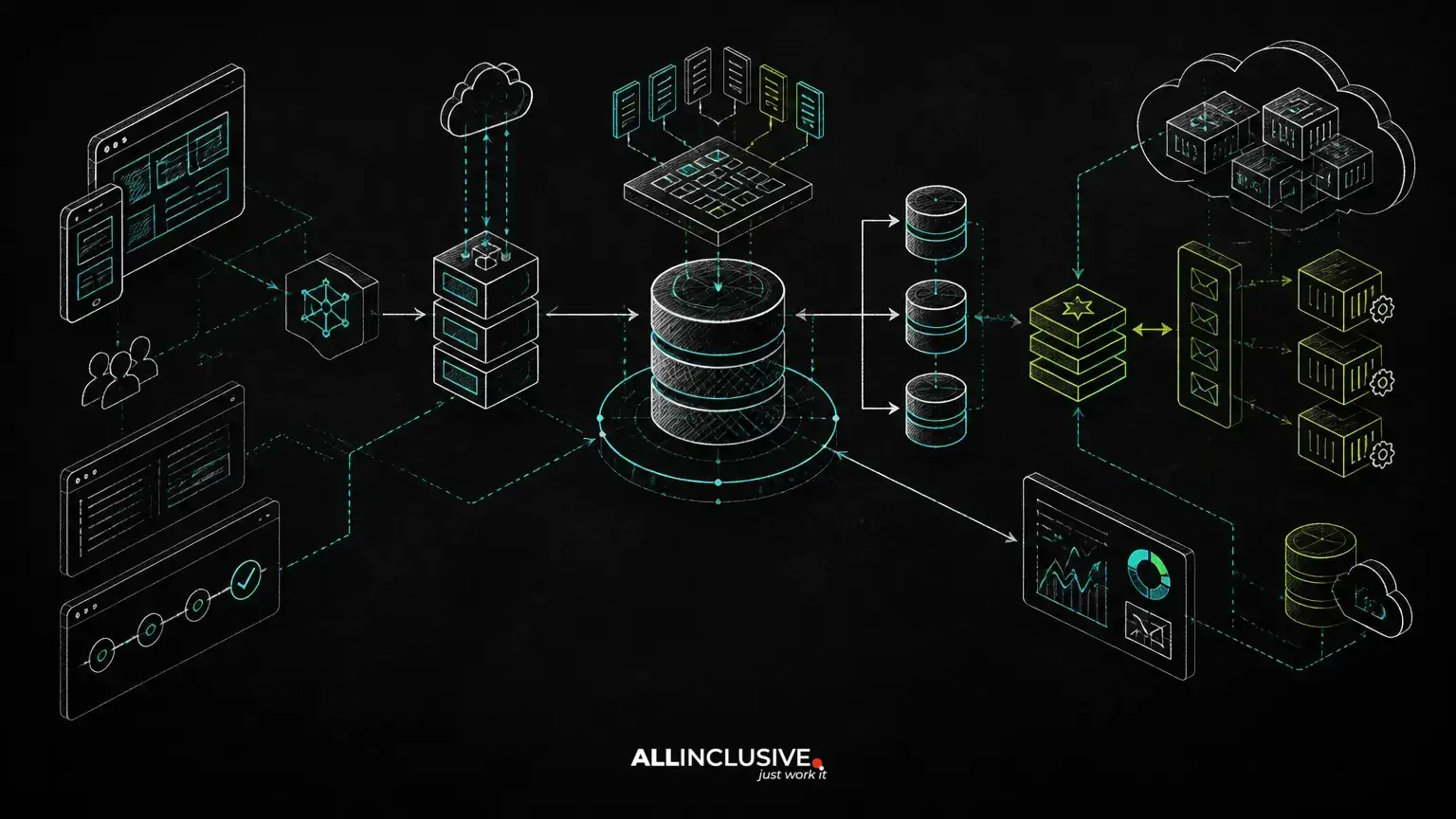
A patch-management program should define what is in scope before an incident forces the question. Typical layers include:
- Application dependencies: Framework packages, libraries, authentication components, API clients, queue workers and development tools.
- Runtime and platform: PHP or Python versions, web servers, process managers, container images and operating-system packages.
- Infrastructure services: Databases, caches, object storage, message brokers, reverse proxies and managed cloud services.
- Application code: Vulnerability fixes, insecure defaults, access-control defects, unsafe data handling and security-relevant configuration.
- Delivery systems: Source repositories, CI/CD runners, deployment credentials, secrets management and production access controls.
- Observability: Logs, alerts, error tracking and audit records needed to confirm whether a patch worked.
The inventory should identify versions, owners, environments and deployment paths. Without that information, a team may patch the main application while leaving a forgotten worker, scheduled task or staging environment exposed.
Build a vulnerability intake and triage process
Security notices arrive through dependency scanners, hosting providers, framework advisories, vendor communications, penetration tests and internal monitoring. Treating each notice as an emergency creates noise; ignoring notices creates blind spots. Triage gives the team a repeatable way to decide what happens next.
For each finding, record the affected component and version, the application or service that uses it, whether the vulnerable code path is reachable, the type of exposure, the available fix and the operational constraints. The assessment should also consider whether the affected system is internet-facing, handles sensitive data, has elevated privileges or supports a critical business workflow.
A practical priority model can include:
- Exposure: Is the vulnerable component reachable from the public internet, an authenticated user, an internal network or only a build environment?
- Impact: Could exploitation affect confidentiality, integrity, availability or account security?
- Exploitability: Is exploitation dependent on unusual conditions, or does it involve a common request or input path?
- Mitigation: Can access be restricted, a feature disabled or a configuration changed while a full patch is prepared?
- Operational risk: Could the update break authentication, billing, integrations, queues or data processing?
This approach avoids relying on a severity label alone. A moderate issue in an exposed administrative workflow may deserve faster action than a higher-scoring issue in an unreachable development tool.
Separate emergency fixes from routine dependency updates
Not every update should follow the same release path. Emergency security work may require a short change window, a focused test plan and enhanced monitoring. Routine updates can usually be grouped into a predictable maintenance cadence with broader regression testing.
The distinction should be explicit in the support agreement and release process. Teams should know who can authorize an urgent patch, how stakeholders are notified, what rollback means and when a temporary mitigation expires. Otherwise, urgent fixes may bypass essential controls, while routine maintenance accumulates until it becomes a risky upgrade project.
Dependency updates also need a policy for direct and transitive packages. A direct package is intentionally selected by the application; a transitive package is brought in by another dependency. Both can matter to security, but the remediation path differs. Updating a transitive package may require upgrading its parent, changing a constraint or replacing a library rather than editing a lockfile blindly.
Test patches against application behavior, not only installation success
A package manager completing without errors does not prove that a security patch is safe. Tests should cover the workflows most likely to be affected by the change and the workflows most important to the business.
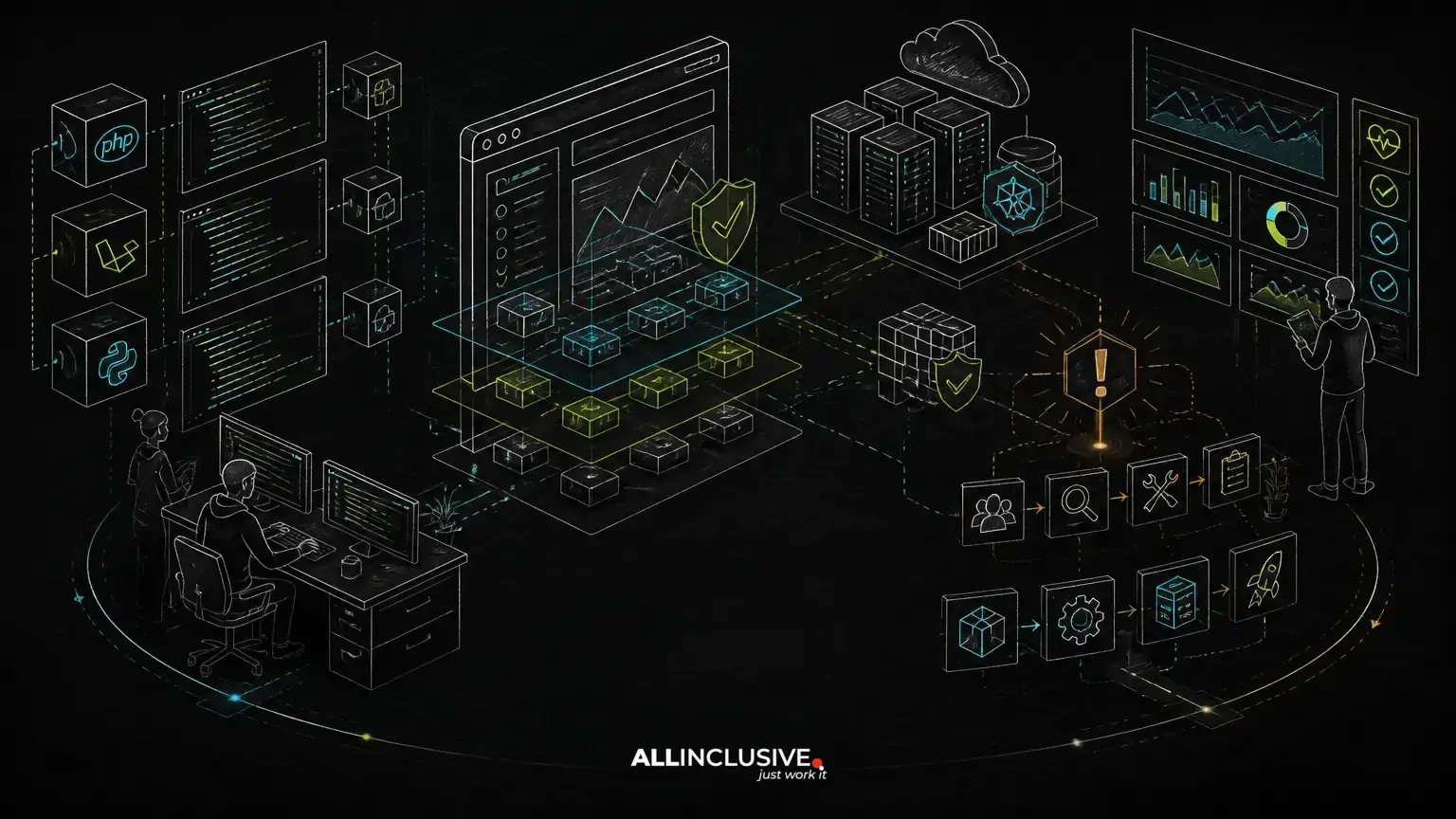
For a custom application, a useful patch-validation sequence may include:
- Reproducing the original vulnerability or affected behavior in a controlled environment where appropriate.
- Applying the update to a branch or isolated environment with the lockfile and runtime configuration recorded.
- Running unit, integration and relevant end-to-end tests.
- Testing authentication, authorization, file handling, payments, webhooks, imports, exports and background jobs when those areas are involved.
- Checking database migrations, queue compatibility, scheduled tasks and external API behavior.
- Reviewing logs, error rates and security events after deployment.
Testing should be proportional to the change. A patch to an image-processing library may need file-upload and resource-limit tests. A framework update may require broader coverage of routing, middleware, sessions, validation and database interactions.
Where automated coverage is weak, create a small set of business-critical smoke tests before making repeated updates. This does not replace a full test suite, but it provides a minimum signal for release decisions and exposes undocumented assumptions in inherited code.
Use staged releases and reversible deployment controls
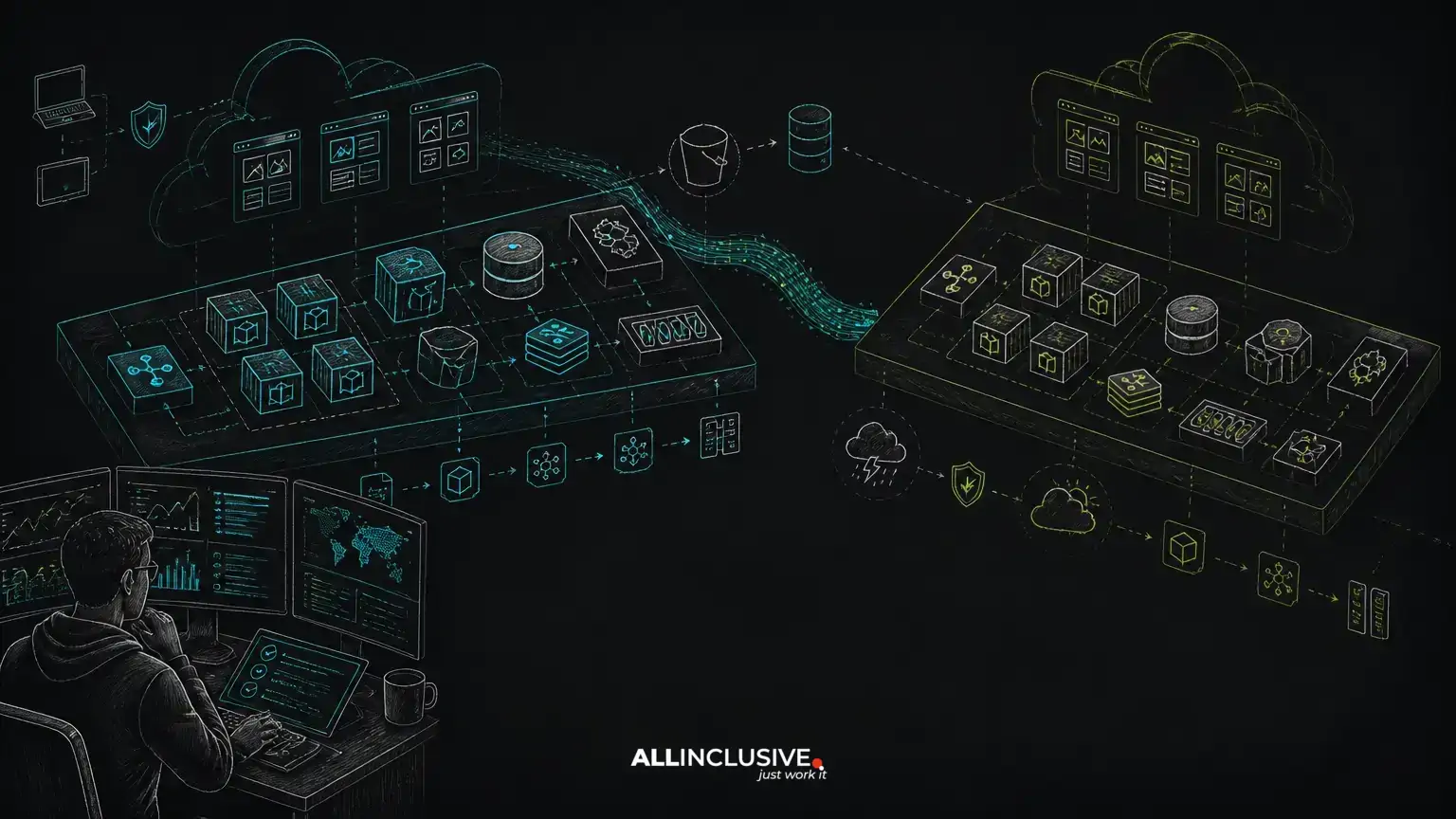
Security patches should be deployable through the same controlled delivery system as product changes, with additional safeguards when the risk or urgency warrants them. A typical path moves from local development to a shared test environment, then staging or a canary release, and finally production.
Before production deployment, confirm the artifact, dependency lockfile, database changes, configuration changes and runtime versions that will be used. If the patch affects a database schema, separate backward-compatible schema changes from application behavior where possible. This can allow old and new application processes to coexist briefly during a rolling deployment.
Rollback planning must be realistic. Reverting application code is not equivalent to reversing a database migration or undoing a changed credential. Document the rollback action, its limitations and the person responsible for making the decision. In some cases, the safest response is a forward fix combined with a feature flag or access restriction rather than a code rollback.
After release, monitor the affected workflows rather than relying only on a successful deployment status. Watch authentication failures, authorization denials, queue backlogs, latency, error logs and unusual traffic patterns. A patch is not complete until the team has evidence that the application is operating as expected.
Manage patching across Laravel, PHP and Python systems
Technology choices affect the shape of the work, but the ownership principles remain consistent.
Laravel and PHP applications
Laravel applications commonly combine framework components with PHP extensions, Composer packages, queue workers, scheduled commands and web-server configuration. A patch review should check the supported PHP runtime, framework compatibility, configuration changes, route and middleware behavior, serialization, queues and any packages that interact with authentication or file uploads.
Do not assume that updating the Laravel framework alone addresses the full risk surface. The application may depend on a separate mailer, PDF generator, image library, administrative package or integration client. Review the complete dependency graph and confirm that production workers use the same resolved versions as the tested artifact.
Python applications
Python systems may use a web framework, WSGI or ASGI server, task workers, native extensions and system-level packages. Patch validation should account for the lock or requirements strategy, supported interpreter version, compiled dependencies, worker processes and environment-specific settings.
Python dependency changes can also affect import behavior, serialization, asynchronous execution or database drivers. A clean installation in CI is useful, but it should be followed by tests that exercise the production process model and critical workflows.
Include inherited codebases and technical debt in the plan
Teams taking responsibility for an existing custom application often discover that dependency versions are unclear, deployment is partly manual or production differs from source control. These conditions turn a small patch into an investigation.
The first step is to create an application baseline: repositories, environments, runtimes, dependencies, scheduled jobs, external services, data stores, deployment credentials and known operational risks. Then classify gaps by whether they block safe patching, increase incident impact or merely reduce maintainability.
Do not wait for a complete modernization project before addressing urgent vulnerabilities. Stabilize the release path, document the current state, apply low-risk fixes and create separate work for refactoring, migration or rebuild decisions. This keeps security work moving while preserving a realistic product roadmap.
For a broader transition plan, see Taking Over an Inherited Codebase: The First 30 Days of Support. If the application is still carrying substantial PHP-era constraints, PHP legacy application maintenance provides a related maintenance perspective.
Define ownership, service levels and evidence
Patch management fails when responsibility is distributed but unassigned. The operating model should identify who monitors advisories, owns triage, approves risk acceptance, prepares releases, communicates impact and verifies production outcomes.
Service levels should distinguish response from resolution. A team may acknowledge a high-priority finding quickly while needing additional time to test a safe fix. The documented agreement should address severity definitions, business-hours coverage, emergency contact paths, maintenance windows, reporting and exceptions.
Track evidence such as the affected version, decision rationale, test results, deployment time, verification checks and any follow-up work. This record supports audits and incident reviews, but its main value is operational: it prevents repeated investigation and makes ownership visible.
Teams can use an SLA for software maintenance to clarify these expectations. Monitoring should also cover the signals that reveal patch-related regressions; the application monitoring checklist is useful when defining that baseline.
Make patch work compatible with product delivery
Security maintenance competes with feature delivery when it is treated as unplanned interruption. A better approach is to reserve capacity for dependency updates, platform upgrades, incident follow-up and technical debt, while maintaining an emergency path for urgent vulnerabilities.
Release planning should show security work alongside roadmap work. Product owners can then see which upgrades protect delivery capacity, reduce operational risk or enable future changes. Engineering teams can group compatible maintenance tasks, but should avoid bundling unrelated high-risk changes merely to reduce the number of deployments.
For organizations without stable internal ownership, a dedicated product team can combine ongoing support with roadmap continuity. Learn more about that delivery model at dedicated product teams. Broader custom web application engineering support is also described on the web development service page.
A workable security patch management checklist
- Maintain an inventory of applications, runtimes, dependencies, services and owners.
- Monitor relevant advisories and route findings into a documented triage process.
- Assess reachability, business impact, exploitability and available mitigations.
- Keep dependency manifests and lockfiles under version control.
- Test patches against security behavior and critical user workflows.
- Use staged deployment, access controls and a documented rollback or forward-fix plan.
- Verify logs, alerts, performance and business operations after release.
- Record decisions, exceptions, risk acceptance and follow-up technical debt.
- Review patch trends and recurring failures during operational or roadmap planning.
Effective security patch management for custom web applications is an ownership discipline. The technical fix matters, but so do the inventory, testing, release controls, monitoring and accountability around it. With that foundation, Laravel, PHP and Python systems can receive timely security updates without turning every vulnerability notice into an uncontrolled interruption to the product roadmap.