Meta Ads lookalike audiences can help advertisers find prospects who resemble people already connected to a business. But the audience is only as useful as the seed data, business objective, measurement setup, and test design behind it.
The practical answer is simple: build seed lists around meaningful outcomes, not just the largest available audience; separate audience quality from delivery efficiency; and test one important variable at a time. A large customer file may be less valuable than a smaller list of retained customers, qualified opportunities, or high-intent users.
This guide explains how to approach meta ads lookalike audiences strategically, while treating platform mechanics as inputs rather than guarantees.
What a lookalike audience is—and what it is not
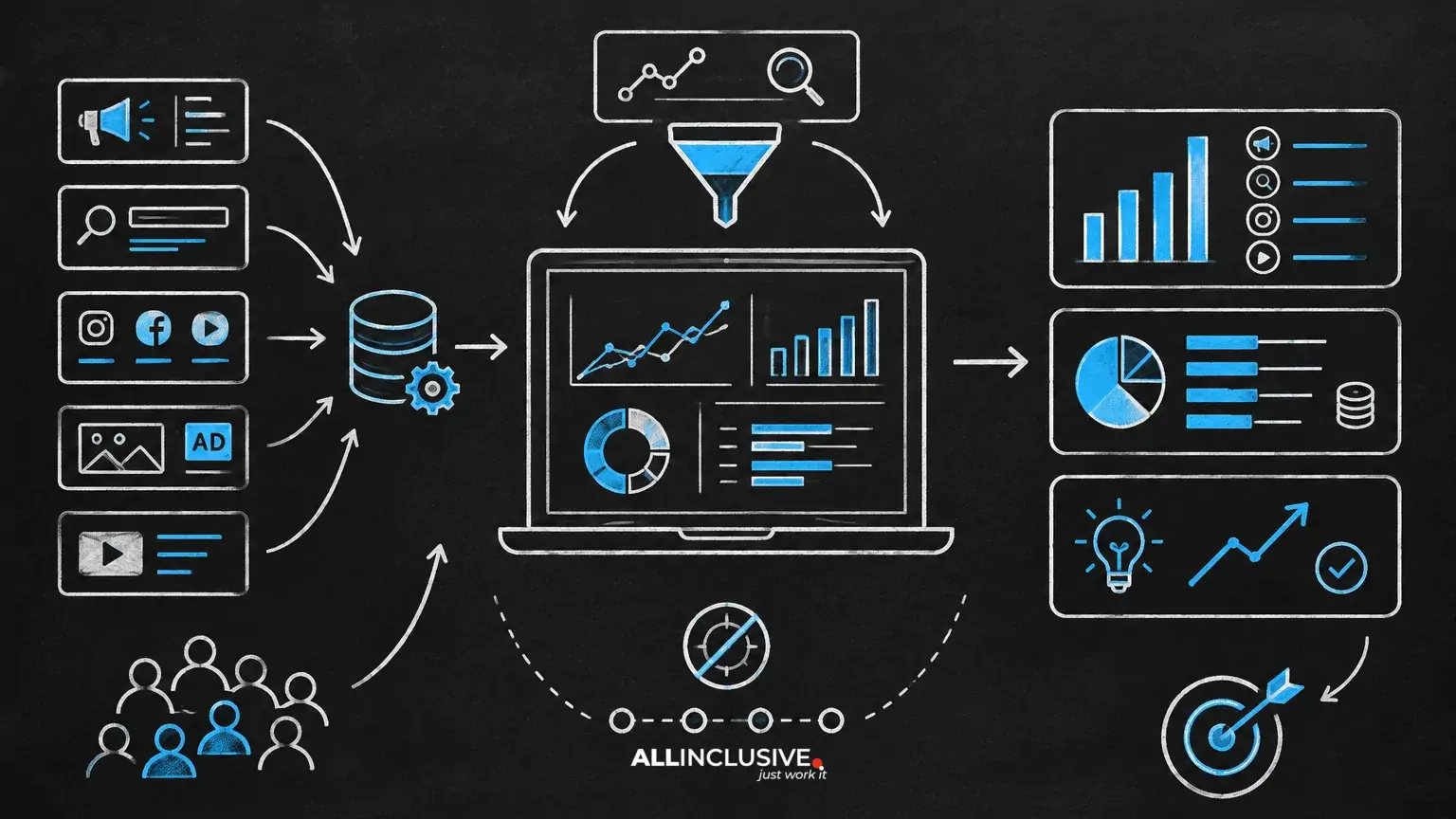
A lookalike audience is an expansion audience created from a source, or seed, audience. The source might include customers, leads, website visitors, app users, or people who completed another tracked action. The platform uses signals from that source to identify additional users who appear similar according to its available data and modeling.
A lookalike is not a guarantee that every included user shares the same intent, purchasing power, or business need as the source audience. Similarity is modeled, not manually verified. It can therefore support prospecting, but it does not replace positioning, creative testing, qualification, or conversion-quality analysis.
Think of a lookalike as a prospecting hypothesis: “People who resemble this valuable group may be more likely to respond to this offer.” The hypothesis needs a clear success metric and a controlled test.
Start with the business outcome
The best seed list depends on what you are trying to acquire. A seed built for ecommerce purchases may be unsuitable for a high-consideration B2B lead-generation campaign. Before creating an audience, define the outcome that matters after the initial conversion.
- Direct sales: prioritize purchasers, repeat purchasers, or customers with healthy order economics.
- B2B pipeline: consider qualified leads, accepted opportunities, or customers rather than every form completion.
- Subscription growth: separate activated or retained subscribers from free registrations.
- Lead quality: use downstream qualification stages where data volume and privacy permissions allow.
- Customer expansion: consider high-value accounts or customers who adopted multiple products.
If the platform receives only an early-funnel event, it may optimize toward people likely to complete that event—not necessarily people likely to become profitable customers. Your seed strategy and conversion measurement should therefore reflect the commercial definition of success as closely as possible.
How to choose a stronger seed list
1. Prefer quality over raw volume
More records can provide broader modeling inputs, but volume alone does not make a seed useful. A large list containing unqualified leads, duplicate contacts, old records, or low-value transactions may blur the traits associated with your best outcomes.
Begin with the most commercially meaningful audience that is large enough to support a practical test. If it is too small or too narrow, move up one stage in the funnel rather than combining unrelated users without a clear rationale.
2. Use a consistent qualification rule
A seed should have a defensible inclusion rule. For example, “customers with at least one purchase” is clear, while “good customers” requires interpretation and may change from one upload to the next.
Document the source window, event definition, exclusions, geography, product line, and update cadence. Consistency makes future tests easier to interpret.
3. Match the seed to the offer
A lookalike built from enterprise buyers may not be the right prospecting input for a self-serve product. Likewise, a seed from one product category may produce weaker results when used to promote a different category with a different buying committee or price point.
Where the business has enough data, create seeds aligned with the offer, market, lifecycle stage, or customer economics. Avoid unnecessary fragmentation when the resulting groups become too small to evaluate reliably.
4. Control recency deliberately
Recency can matter when customer behavior, product fit, pricing, or market conditions change. A recent seed may better represent the current offer, while a longer window may provide more stable volume.
Test recency as a strategic variable only when there is a reason to expect it to matter. Otherwise, changing the time window repeatedly can create noise and make performance comparisons difficult.
Useful seed-list approaches
There is no universal best seed. Different sources answer different acquisition questions.
- All purchasers: a straightforward starting point for broad customer acquisition.
- High-value purchasers: useful when revenue, margin, or retention varies materially across customers.
- Repeat purchasers: relevant when long-term value is more important than the first transaction.
- Qualified leads or opportunities: often more aligned with B2B pipeline goals than raw lead volume.
- Product-specific customers: helpful when promoting a related product or category.
- High-engagement users: a possible fallback when transaction data is limited, but engagement should be connected to a plausible commercial outcome.
Do not assume that a “high-value” segment is automatically better. If it is too small, overly concentrated, or materially different from the audience you want to acquire, it may be a poor prospecting signal. Treat the choice as a testable business hypothesis.
Structure tests so the result is interpretable
A useful lookalike test needs a comparison. Without one, you cannot tell whether the audience created incremental value or simply received better creative, more favorable delivery, or a different budget allocation.
Test the seed before testing everything else
Compare two or more seed strategies while holding the major conditions as constant as practical: offer, creative, optimization event, geography, placement approach, landing experience, and measurement window.
For example, a B2B advertiser might compare:
- A seed of all recent leads.
- A seed of leads that reached a defined qualification stage.
- A seed of existing customers.
The goal is not merely to identify the lowest cost per lead. It is to determine which seed produces the best balance of delivery, conversion rate, qualification rate, pipeline contribution, and acquisition economics.
Test audience breadth carefully
Platforms may offer different audience-size settings or expansion options. These settings can create a trade-off between potential reach and similarity to the source. The exact behavior and availability can change, so treat the control as a platform setting to verify during setup—not as a permanent rule.
Use a simple progression: start with a strategically relevant audience size, then test broader or narrower alternatives when the account has enough spend and conversion volume to support a meaningful comparison.
Do not confuse separate campaigns with separate learning
Splitting every audience into isolated campaigns can fragment budget and delivery. In other cases, combining audiences can make it difficult to understand which seed or audience setting contributed to performance.
Choose the structure based on the decision you need to make. If the business needs a clear seed comparison, separation may be appropriate. If the main objective is efficient delivery and the test question is no longer active, consolidation may be more practical. Review the account’s broader Meta Ads account structure before creating additional segmentation.
Exclusions and audience overlap
Lookalike prospecting should usually be separated from existing-customer and recent-converter activity when the goal is new acquisition. Excluding people who have already purchased or completed the target action can reduce wasted prospecting impressions and make reporting easier to interpret.
Also consider overlap between prospecting groups, retargeting audiences, and other campaigns. Overlap is not automatically harmful, but it can complicate attribution and create competing delivery paths. Define the role of each audience:
- Prospecting: find new potential customers.
- Retargeting: re-engage people with a relevant prior interaction.
- Customer marketing: retain, cross-sell, or expand existing relationships.
For a deeper treatment of windows and exclusions, see Meta Ads retargeting.
Creative still determines whether the audience can respond
A strong seed cannot compensate for an unclear offer or weak creative. A lookalike may identify people with relevant behavioral similarities, but the ad still needs to explain why the product matters, who it is for, and what action to take.
Test creative that reflects the acquisition hypothesis. For a high-value customer seed, emphasize the problem, use case, or outcome associated with those customers—not necessarily the customer segment itself. For a qualified-lead seed, align the message with the concerns that separate serious buyers from casual information seekers.
Keep audience tests and creative tests distinguishable. If every seed receives different ads, landing pages, and offers, the result is a bundle of changes rather than an audience conclusion. Use the account’s broader Meta Ads creative testing process to isolate messaging questions.
How to evaluate lookalike performance
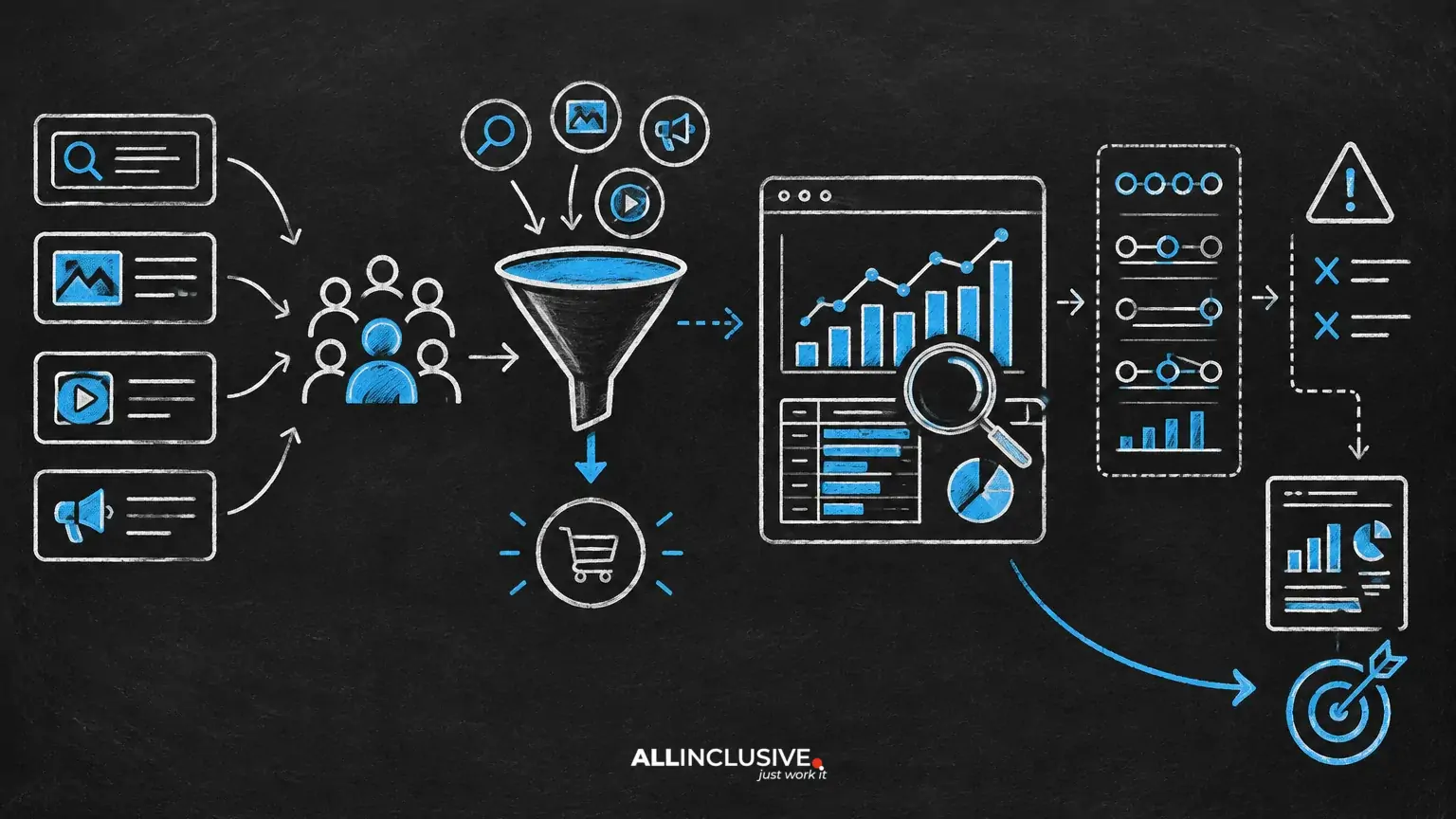
Evaluate performance at multiple levels. Cheap traffic or low-cost leads can conceal weak commercial outcomes.
- Delivery: spend, reach, impressions, frequency, and delivery stability.
- Response: click-through rate, landing-page engagement, and conversion rate.
- Efficiency: cost per lead, purchase, or other primary conversion.
- Quality: qualification rate, sales acceptance, activation, repeat purchase, or pipeline progression.
- Economics: revenue, margin, customer value, or acquisition cost relative to the business model.
Use a measurement window that allows downstream outcomes to appear. In B2B, the audience with the lowest initial lead cost may not produce the lowest cost per qualified opportunity. In ecommerce, a first-purchase result may not reflect repeat-purchase value.
Also compare against a meaningful baseline. A lookalike should not be judged only against another lookalike if the business needs to know whether it improves on broad prospecting, contextual approaches, or another established acquisition method.
Lookalike Audiences: Mistakes to Watch For
Building the seed from everyone
Including every visitor, lead, or customer can be convenient, but it may mix very different levels of intent and value. Start with a defined outcome and expand only when volume or stability requires it.
Using stale data without checking fit
Older customers may reflect a previous offer, market, or product experience. Review whether the seed still represents the prospects you want today.
Optimizing to a proxy and reporting the proxy as success
A form submission, click, or add-to-cart event can be useful operationally, but it is not automatically the business outcome. Connect platform reporting to CRM, sales, revenue, or retention data where feasible.
Changing too many variables at once
New seed, new creative, new landing page, new bid approach, and new geography create an attribution problem. Sequence changes so the team can learn from each test.
Declaring a winner too early
Early performance can be volatile, particularly when conversion volume is limited. Define decision rules in advance and allow enough time for the relevant outcome to develop, while monitoring spend and business risk.
A practical implementation checklist
- Define the commercial outcome the campaign is intended to produce.
- Choose a seed with a documented inclusion rule and relevant data window.
- Remove duplicates, invalid records, and audiences that should not be targeted for acquisition.
- Confirm permissions, data governance, and account access before using customer information.
- Choose a control or comparison audience.
- Keep offer, creative, conversion event, geography, and landing experience consistent enough to isolate the audience question.
- Set exclusions for existing customers or recent converters where appropriate.
- Track both immediate conversion metrics and downstream quality.
- Record the audience definition, test dates, spend conditions, and decision.
- Refresh the seed when customer mix, product positioning, or business priorities materially change.
Lookalike Audiences: Strategic Perspective
Lookalike audiences work best as part of a disciplined acquisition system, not as a shortcut around strategy. Better inputs usually begin with better definitions of value: who became a customer, who stayed, who expanded, or who progressed through the buying process.
Build the seed around that definition, test it against a credible alternative, and judge the result beyond the cheapest front-end conversion. For context on planning paid acquisition across channels and measurement layers, explore the paid social pillar and the broader paid media hub.