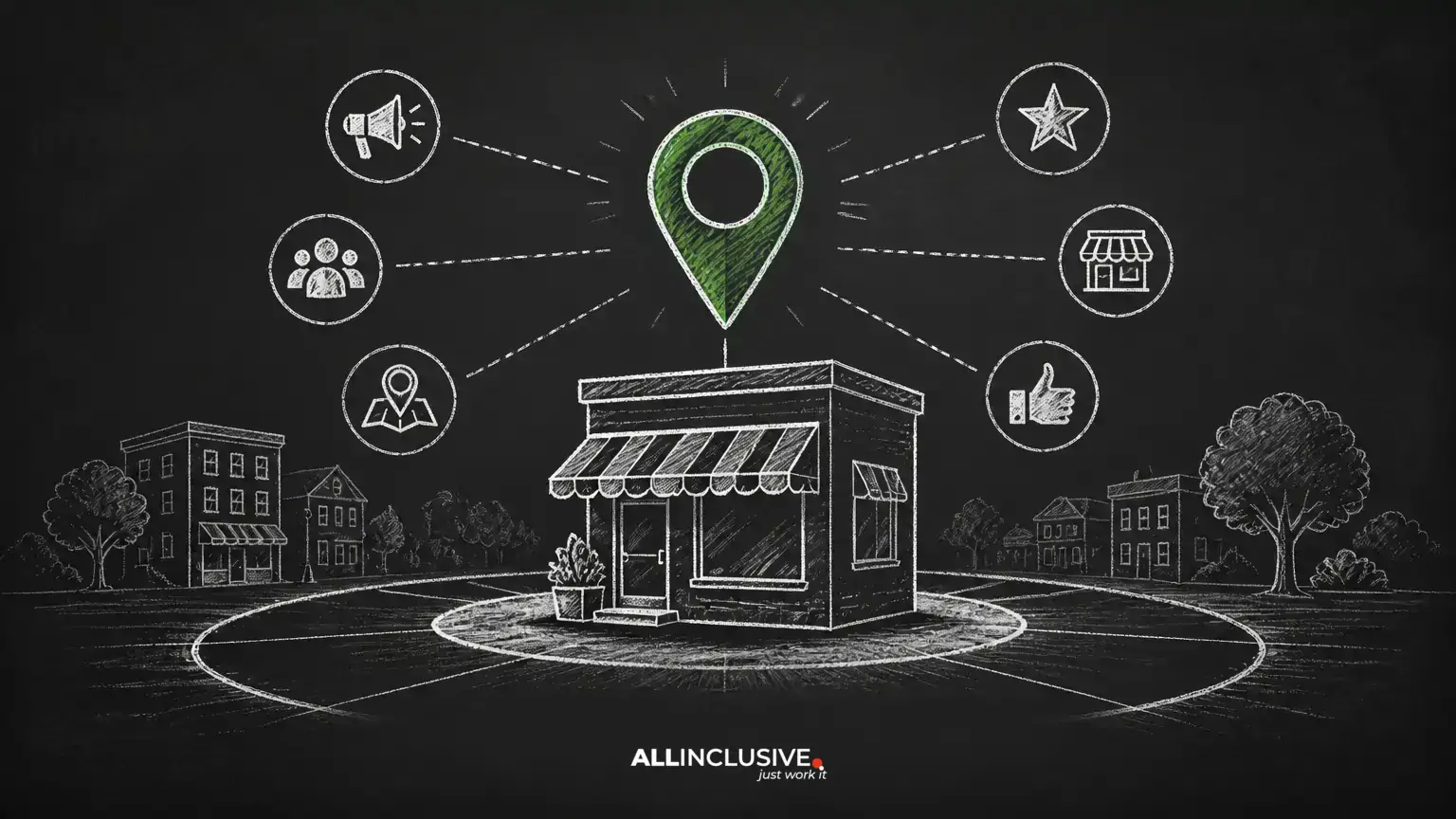
Local SEO helps people discover a business when they search for products, services, or places in a specific area. It is not limited to ranking a website for a city name. Strong local visibility depends on accurate business information, useful location-focused pages, a credible Google Business Profile, positive customer experiences, and a website that works well on every device.
The most effective approach is systematic: establish accurate foundational information, improve the pages customers use to make decisions, earn legitimate local references, and measure actions that matter to the business. This guide explains how to improve local SEO without relying on shortcuts or unsupported promises.
1. Establish accurate business information everywhere
Start by creating a single source of truth for your business details. Record the official business name, address, phone number, website, hours, service area, categories, payment information, and any operational details customers need before contacting you.
Compare that information with the profiles and directories where your business appears. Prioritize platforms that customers in your market actually use, including major map services, industry directories, local associations, chambers of commerce, and reputable review sites. Correct conflicting information, remove duplicate profiles where possible, and document changes so future updates remain consistent.
Consistency is useful because customers need dependable information and search systems need to interpret the business correctly. It is not a guarantee of rankings, however. Accuracy should be treated as a trust and usability requirement, not a ranking trick.
Use a listing audit checklist
- Confirm the business name reflects the real-world name and is not stuffed with keywords.
- Check that the address and phone number are current and formatted consistently.
- Verify regular, holiday, and temporary hours.
- Choose the most accurate primary category and relevant secondary categories where supported.
- Replace outdated photos, descriptions, menus, service lists, and appointment links.
- Look for duplicate or unclaimed profiles and resolve ownership issues.
2. Improve the Google Business Profile experience
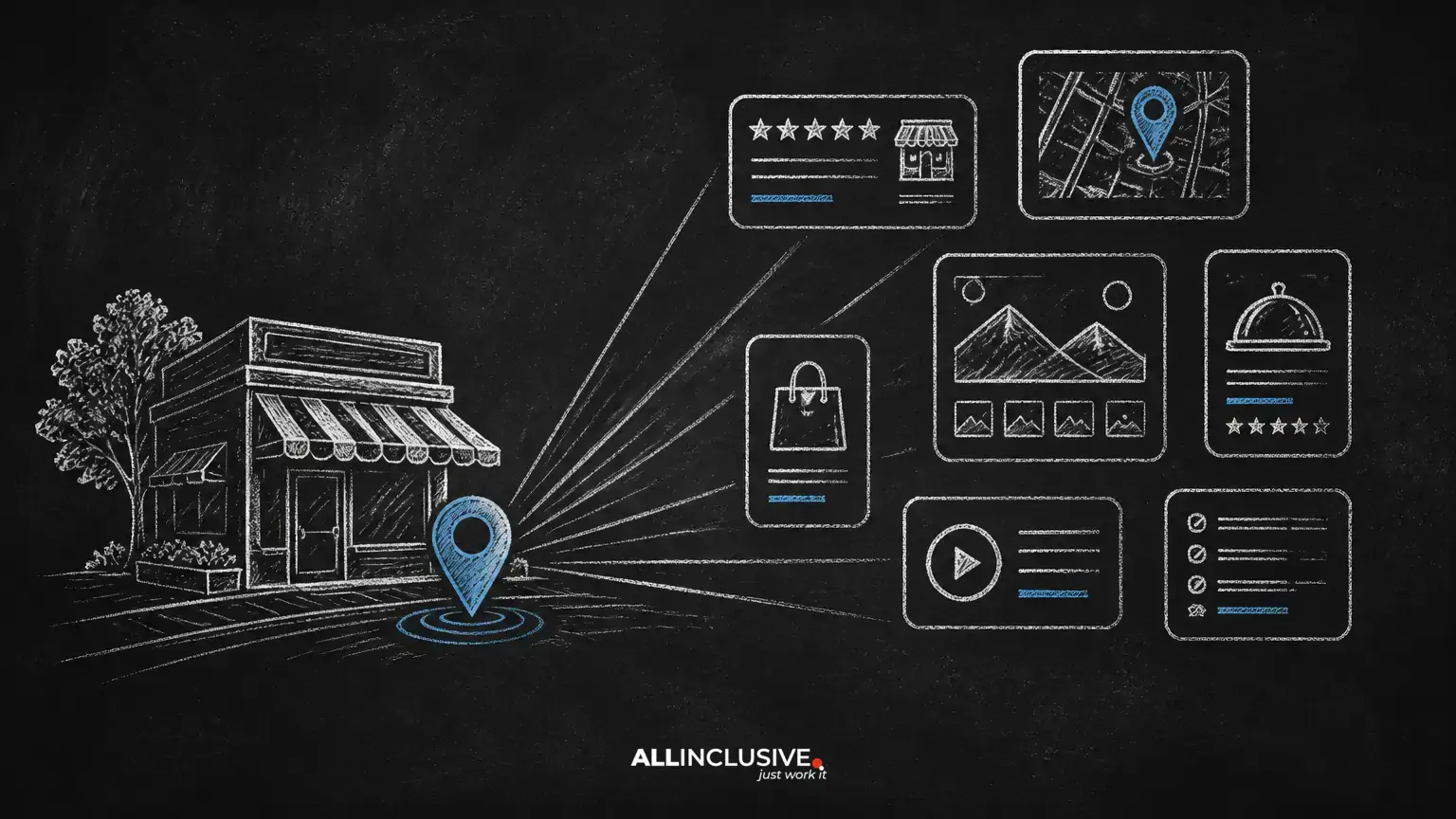
A Google Business Profile can influence how people evaluate a business in Google Search and Maps. Treat it as a customer-facing information page rather than a place to repeat keywords.
Complete every relevant field accurately. Use a clear description that explains what the business does, where it operates, and what makes the offering useful. Add representative photographs, maintain current services or products, and make sure links send visitors to the correct page. If the business has multiple locations, create and maintain location-specific information rather than copying one profile across every market.
Monitor profile interactions and customer questions. Respond with concise, factual information and avoid publishing private customer details. Features and available profile fields can change, so verify current options in the platform’s own documentation before making them part of a recurring workflow.
3. Build a review process based on real service
Reviews are both a reputation signal and a source of customer language. The goal is not to manufacture a rating or pressure every customer to leave a particular review. The goal is to deliver a good experience, make feedback easy to provide, and respond professionally.
- Choose a consistent point in the customer journey to request feedback.
- Use a neutral request that does not ask for a positive rating or suggest specific wording.
- Make the process easy by sharing the correct review link or instructions.
- Thank customers for useful feedback and identify recurring service issues.
- Respond to negative reviews calmly, acknowledge the concern, and move sensitive details to a private channel.
Never publish confidential information in a response. Do not offer incentives that violate a platform’s review policies. A review program should improve customer understanding and operations, not merely generate promotional language.
4. Create pages for local needs and decisions
A local website should answer the questions that determine whether someone will call, visit, book, or buy. Begin with a strong primary service page and add location pages only when each location has genuinely different, useful information.
A useful location or service page may include the areas served, the problem addressed, process details, qualifications, pricing guidance where appropriate, access or parking information, opening hours, service limitations, photos, FAQs, and a clear next step. Use plain language that matches how customers describe their needs. Avoid creating near-identical pages with only a city name changed; thin doorway-style pages can make the site harder to use and maintain.
Find topics from real customer questions
- Questions sales and support staff answer repeatedly.
- Services customers compare before contacting the business.
- Local regulations, preparation requirements, or access information.
- Seasonal needs that affect the service area.
- Common misconceptions that prevent customers from taking action.
Local content does not need to mention a neighborhood in every sentence. Its value comes from specific, verifiable guidance for people in the market.
5. Make the website easy to use on mobile devices
Many local searches lead to an immediate action such as calling, requesting directions, checking availability, or submitting a form. Test those actions on a phone, not just the desktop version of the site.
- Use readable text and buttons with enough spacing.
- Make phone numbers tappable and keep contact options visible without being intrusive.
- Ensure forms contain only necessary fields and show clear error messages.
- Keep navigation short and make important service and location pages easy to reach.
- Compress large images and remove unnecessary scripts that slow the page.
- Check that maps, booking tools, menus, and consent notices work on smaller screens.
Technical improvements should support access and comprehension. Review indexing, redirects, broken links, page templates, and structured data as part of normal site maintenance. Do not add markup simply to obtain a visual feature; it must accurately describe the page and follow current search platform guidelines.
6. Earn relevant local links and mentions
Local authority is more durable when it comes from real relationships and useful contributions. Look for opportunities connected to the business rather than pursuing large volumes of unrelated links.
- Join legitimate local or professional associations where membership is appropriate.
- Contribute expertise to local publications, community events, or industry resources.
- Partner with complementary businesses on genuinely useful guides or events.
- Claim accurate supplier, manufacturer, or professional directory profiles.
- Correct unlinked or inaccurate mentions when the publisher is willing to update them.
Do not pay for deceptive links, create fake local profiles, or use sponsorships solely as a pretext for manipulative anchor text. A mention is valuable when it helps people verify the business or discover a useful resource.
7. Measure visibility and business outcomes
Local rankings vary by searcher location, device, query, competition, and platform. A single ranking check cannot represent the complete local search experience. Use several measures and compare them over consistent periods.
Track important queries by service and area, but also review calls, direction requests, form submissions, bookings, qualified leads, and revenue where reliable attribution is available. Separate branded searches from non-branded discovery. Review which pages generate engagement and whether visitors can complete the intended action.
A practical monthly review
- Check business information and profile changes.
- Review new, missing, or suspicious listings and duplicates.
- Read recent reviews and record recurring customer concerns.
- Inspect priority service and location pages for accuracy and usability.
- Review organic traffic, conversions, calls, and other agreed business outcomes.
- Choose a small number of improvements based on observed customer needs.
Keep a change log. This helps distinguish the effect of site or profile updates from normal fluctuations and makes future decisions more evidence-based.
How to prioritize local SEO work
Start with issues that can prevent customers from contacting the business: incorrect hours, broken phone links, unavailable forms, duplicate profiles, or inaccurate service information. Next, improve the pages and profile details that support high-value decisions. Then invest in content, partnerships, and technical refinements that expand qualified discovery.
For a broader view of how local work fits into an overall search strategy, explore Allinclusive’s local SEO services. Businesses that need support across technical SEO, content, and measurement can also review the SEO services overview.
Conclusion
Improving local SEO is an ongoing operating process, not a one-time submission. Keep business information accurate, make profiles useful, publish genuinely local guidance, protect the mobile experience, earn legitimate community references, and measure actions that connect search visibility to business goals. Consistent maintenance will usually create a stronger foundation than chasing short-lived tactics or making promises that search results cannot guarantee.