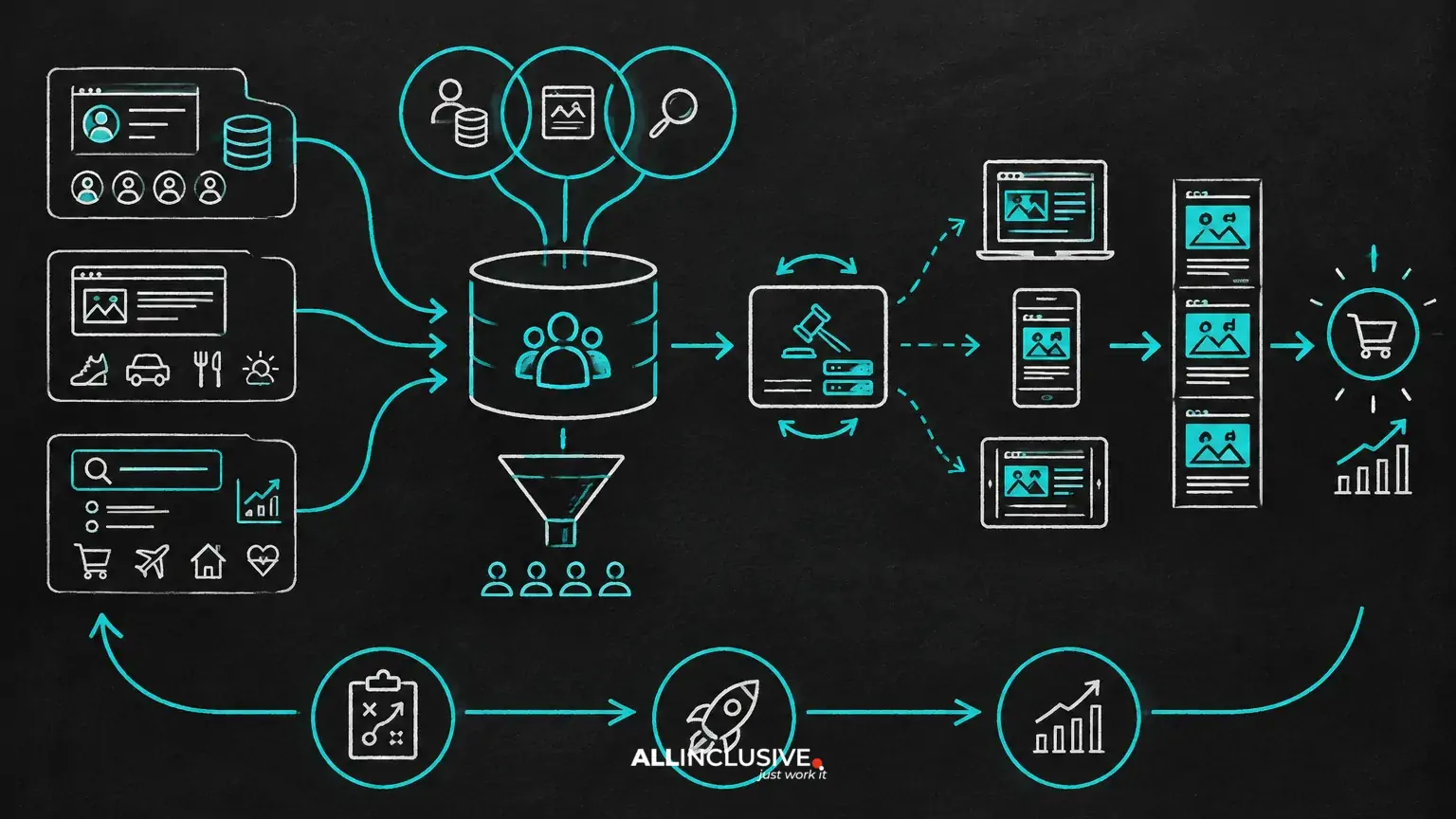
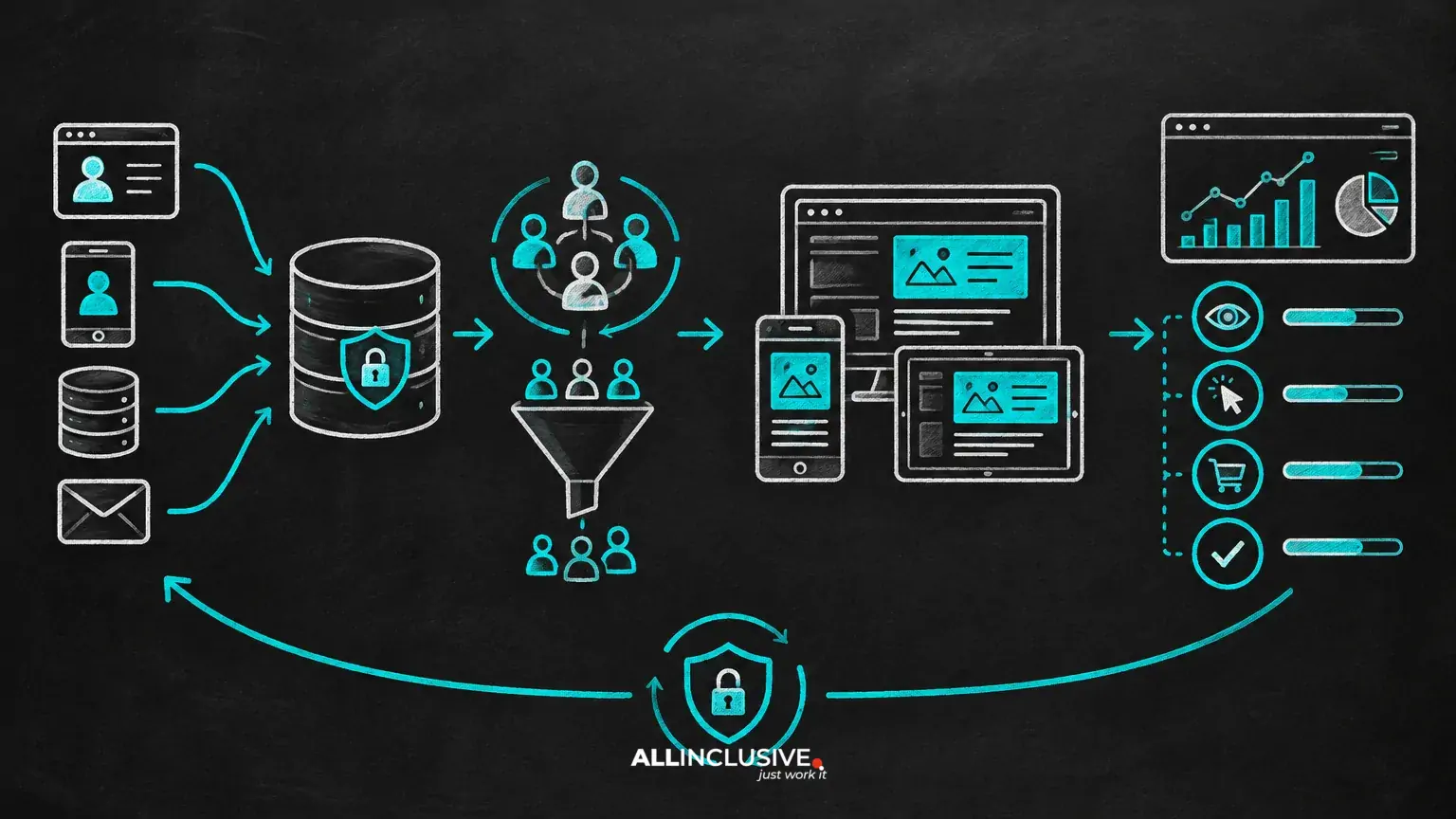
Choosing a demand-side platform (DSP) is not simply a matter of comparing audience features or selecting the platform with the largest inventory claim. The right choice depends on your objectives, buying model, markets, creative formats, measurement requirements, and the level of control your team needs.
This guide provides a practical framework for dsp selection. Use it to build a shortlist, structure vendor questions, and test whether a platform can support your programmatic operating model before you commit budget or implementation resources.
What a DSP needs to do
A DSP gives advertisers access to programmatic inventory and tools for campaign setup, bidding, audience activation, optimization, reporting, and governance. However, DSPs differ materially in how they handle inventory access, data, identity, fees, brand suitability, automation, and transparency.
Start with the business requirement rather than the platform interface. A brand focused on broad omnichannel reach may prioritize supply access and workflow scale. An advertiser with strict incrementality or profitability goals may place greater weight on measurement, bid controls, and log-level transparency. A B2B marketer may need careful account, intent, and contextual activation rather than mass-reach targeting.
12 criteria for DSP selection
1. Inventory access and channel coverage
Evaluate whether the DSP can reach the environments that matter to your plan: open web display, online video, connected TV, mobile applications, digital out-of-home, audio, native placements, or other addressable channels. Do not treat channel labels as proof of useful access. Ask which supply paths are available in your target countries, what formats are supported, and whether buying is direct, exchange-based, curated, or a combination.
Review the quality and suitability of the inventory, not only its volume. A smaller set of relevant, transparent supply may be more valuable than broad access that creates duplication, waste, or limited control.
2. Geographic and market fit
Confirm that the platform supports the regions, languages, currencies, and operational requirements of your campaigns. Availability can vary by market and channel. Ask about local supply, reporting time zones, invoicing, account support, and any restrictions affecting audience activation or measurement.
For international programs, determine whether the DSP provides consistent controls across markets or whether campaign structures and reporting need to be adapted country by country.
3. Audience activation and data quality
Assess the audience sources available to you and how clearly they are described. Relevant categories may include your first-party data, contextual signals, publisher audiences, modeled audiences, and third-party segments where permitted and appropriate.
Ask how segments are built, refreshed, qualified, and made available. You should also understand whether a segment can be used across channels, how reach is estimated, and what happens when identifiers are unavailable. A DSP should support a data strategy; it should not replace one.
For more context, see programmatic audience targeting and the role of first-party data in activation.
4. Identity and addressability approach
Identity affects reach, frequency management, attribution, and audience suppression. Ask how the DSP handles authenticated identifiers, device and household signals, contextual alternatives, consent requirements, and environments where user-level targeting is limited.
Look for a clear explanation of what the platform can and cannot connect across devices or channels. Avoid treating identity graphs as automatically equivalent to deterministic reach or accurate people-based measurement.
5. Bidding and optimization controls
Examine how the platform supports bidding toward your actual objective. Depending on the campaign, this may include qualified visits, completed views, conversions, revenue, reach, effective frequency, or another business outcome.
Ask which controls are available for bid limits, pacing, frequency, supply selection, viewability, deal prioritization, and conversion optimization. Automated bidding can be valuable, but the team should understand the inputs, conversion signals, learning period, and optimization constraints.
Review how the platform manages sparse conversion data. If the account has low volume or long sales cycles, an algorithm optimized for immediate conversions may not reflect the real value of upper-funnel activity.
6. Supply-path transparency and inventory quality
Transparency should extend beyond a list of exchanges. Ask whether you can inspect supply paths, sellers, domains or applications where appropriate, deal IDs, auction mechanics, and media costs. Determine whether the platform supports supply-path optimization and exclusion of unsuitable or duplicative routes.
Also clarify how the DSP addresses invalid traffic, made-for-advertising environments, domain or app quality, viewability, and brand suitability. These controls should be practical to apply and visible in reporting.
7. Brand safety, suitability, and governance
Brand safety is not a single universal setting. Your organization may need category exclusions, keyword controls, content classification, inventory lists, geographic restrictions, or different suitability tiers for different brands.
Ask how controls are defined, where they apply, how quickly changes take effect, and whether they can be documented for compliance review. Make sure exclusions do not unintentionally remove valuable inventory without a way to evaluate the trade-off.
8. Measurement and attribution
Evaluate whether the DSP can measure the outcomes your stakeholders care about. This may include delivery metrics, reach and frequency, video completion, site actions, leads, purchases, offline outcomes, or incrementality studies.
Clarify attribution windows, conversion definitions, cross-device limitations, view-through treatment, deduplication, and reporting latency. Platform-reported conversions are useful for optimization but should not automatically be treated as causal evidence of business impact.
If your organization uses independent analytics or media measurement, confirm how the DSP exports data and aligns with those systems. A platform that optimizes efficiently but cannot be reconciled with your measurement framework may create operational friction.
9. Data access, reporting, and transparency
Review the reporting interface, available dimensions, retention period, export options, and access controls. Important questions include whether reporting can be broken down by placement, supply source, deal, audience, creative, geography, device, and outcome.
For advanced teams, ask about log-level data, APIs, cloud exports, or other programmatic access. Availability and granularity may vary by agreement, market, and privacy requirements, so obtain the details in writing.
10. Creative and format capabilities
Confirm that the DSP supports your creative workflow and required formats. Evaluate standard display, video, native, audio, connected TV, dynamic creative, interactive formats, and creative testing where relevant to your plan.
Ask about creative approvals, versioning, landing-page checks, tracking, localization, and support for audience or product feeds. A technically available format may still be impractical if the production, QA, or trafficking process is slow.
11. Integrations and technical requirements
Map the DSP against your existing ad server, analytics platform, customer data platform, CRM, consent management system, conversion APIs, clean room environment, and internal reporting stack. Integration quality affects both measurement and operational workload.
Document implementation requirements before selection. Include pixels or server-side events, naming conventions, data schemas, user permissions, security review, consent signals, and troubleshooting ownership. A platform should fit your operating environment rather than forcing avoidable manual work.
12. Commercial model, support, and team fit
Compare the complete cost structure, not just the headline media rate. Depending on the arrangement, costs may involve platform fees, data fees, verification, measurement, creative services, managed-service charges, minimum commitments, or other line items. Request a clear explanation of how fees are calculated and reported.
Support quality is equally important. Establish who handles onboarding, troubleshooting, optimization guidance, policy questions, and escalation. Determine whether you need a self-service platform, managed service, or hybrid model, and assess whether the vendor’s operating style matches your team’s skills and capacity.
How to turn the criteria into a shortlist
- Define the use case. Document objectives, markets, channels, audiences, creative formats, conversion events, measurement needs, and expected campaign complexity.
- Separate requirements from preferences. Mark capabilities that are mandatory, desirable, or irrelevant to the first phase. This prevents impressive but unused features from dominating the decision.
- Use a weighted scorecard. Assign greater weight to criteria that affect business risk or campaign performance, such as inventory quality, measurement, data governance, and integrations.
- Request evidence. Ask vendors to demonstrate the exact workflow, reporting view, supply controls, and data activation process you would use—not a generic product tour.
- Validate with a controlled test. If possible, run a limited pilot with predefined success criteria, consistent creative, comparable audiences, and agreed reporting. Treat the test as an operational and measurement assessment, not only a performance contest.
Questions to ask DSP vendors
- Which inventory sources and channels are available in our priority markets?
- How are platform, data, verification, and service fees calculated?
- What audience sources can we activate, and how are they refreshed and governed?
- Which bidding controls are available when conversion volume is limited?
- What supply-path, brand-suitability, and invalid-traffic controls can buyers apply?
- Which reporting dimensions and exports are available to our team?
- How are conversions, view-through activity, frequency, and deduplication defined?
- What technical implementation, consent, security, and data-retention requirements apply?
- What support model will we receive before launch and during optimization?
- Which capabilities depend on market, contract, inventory source, or additional fees?
Common DSP selection mistakes
Choosing by reach alone
Large potential reach does not guarantee useful, incremental, or suitable exposure. Evaluate reachable audiences alongside supply quality, frequency control, and measurement.
Confusing automation with strategy
Automated optimization can adjust bids and inventory choices, but it cannot define your business objective, decide which audiences are strategically valuable, or correct weak conversion signals without direction.
Ignoring the total operating cost
Manual reporting, fragmented integrations, creative rework, and unclear fees can outweigh an apparent media-cost advantage. Include internal workload in the commercial assessment.
Accepting platform reporting without reconciliation
Platform metrics are generated within a specific attribution and measurement system. Compare them with your analytics and business reporting, and document why differences occur.
Making the final decision
The best DSP is the one that can reliably support your priority use cases with appropriate control, transparency, measurement, and operational fit. Create a decision record that explains why the chosen platform won, which trade-offs were accepted, and what conditions would trigger a future review.
Start with a narrow, measurable deployment. Establish naming standards, conversion definitions, supply controls, reporting checks, and optimization rules before scaling. As your programmatic activity expands, revisit whether the platform still fits your channel mix, data strategy, and measurement requirements.
For broader planning context, explore our programmatic advertising pillar and the fundamentals of real-time bidding. If you are evaluating buying approaches more broadly, our guide to DSPs versus ad networks can help clarify the operational differences.
For broader strategic context, see the broader paid media hub.