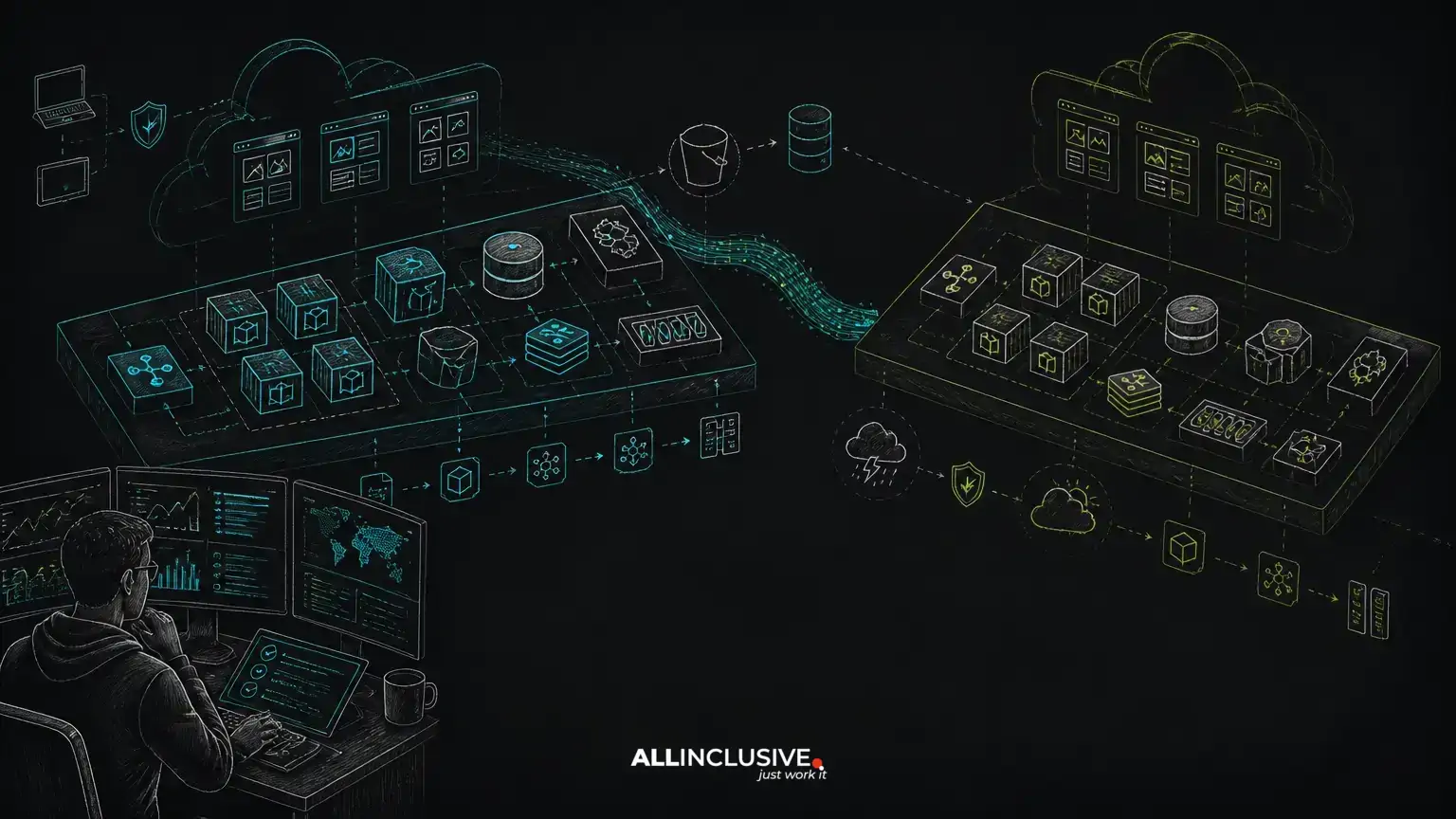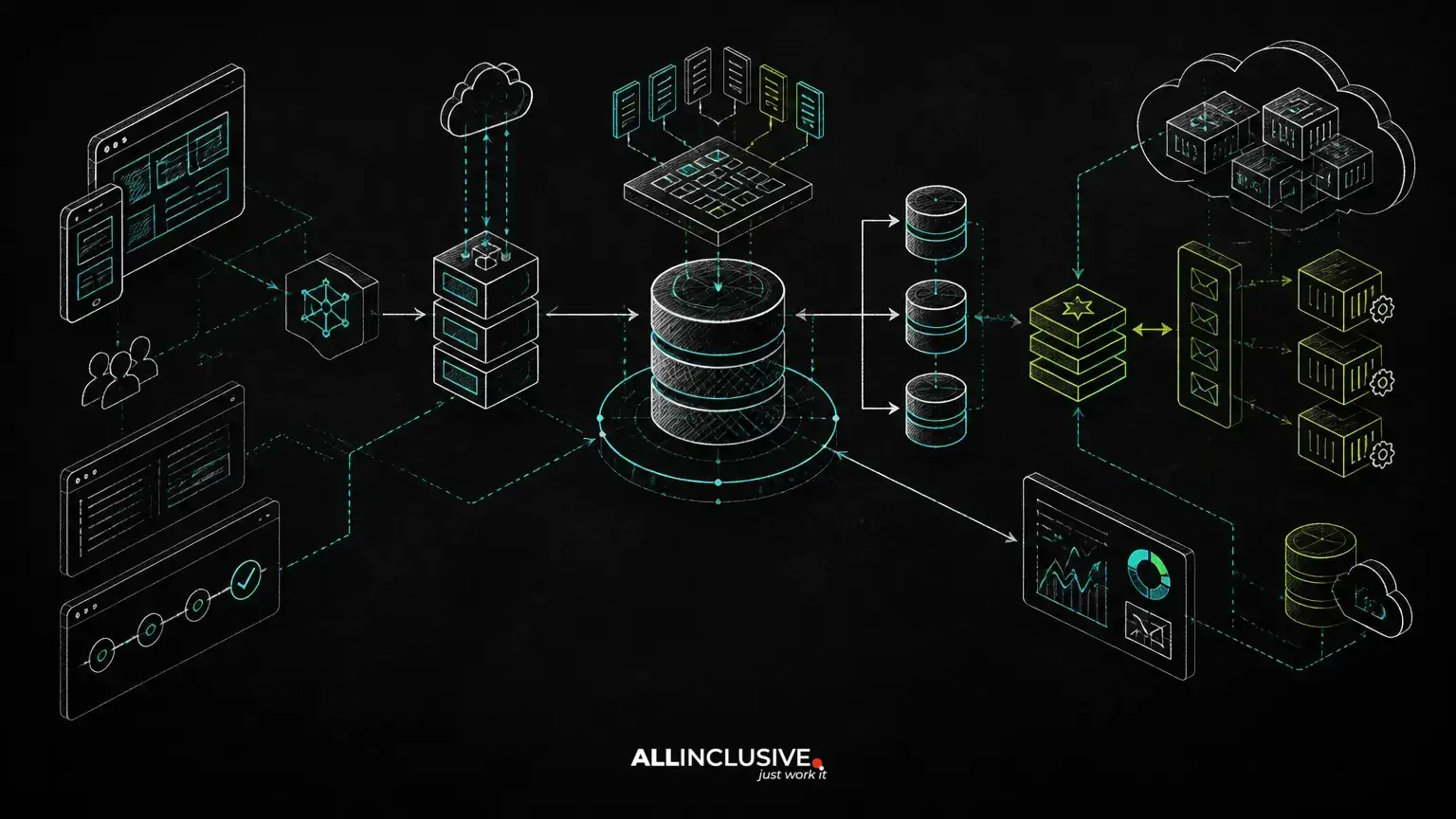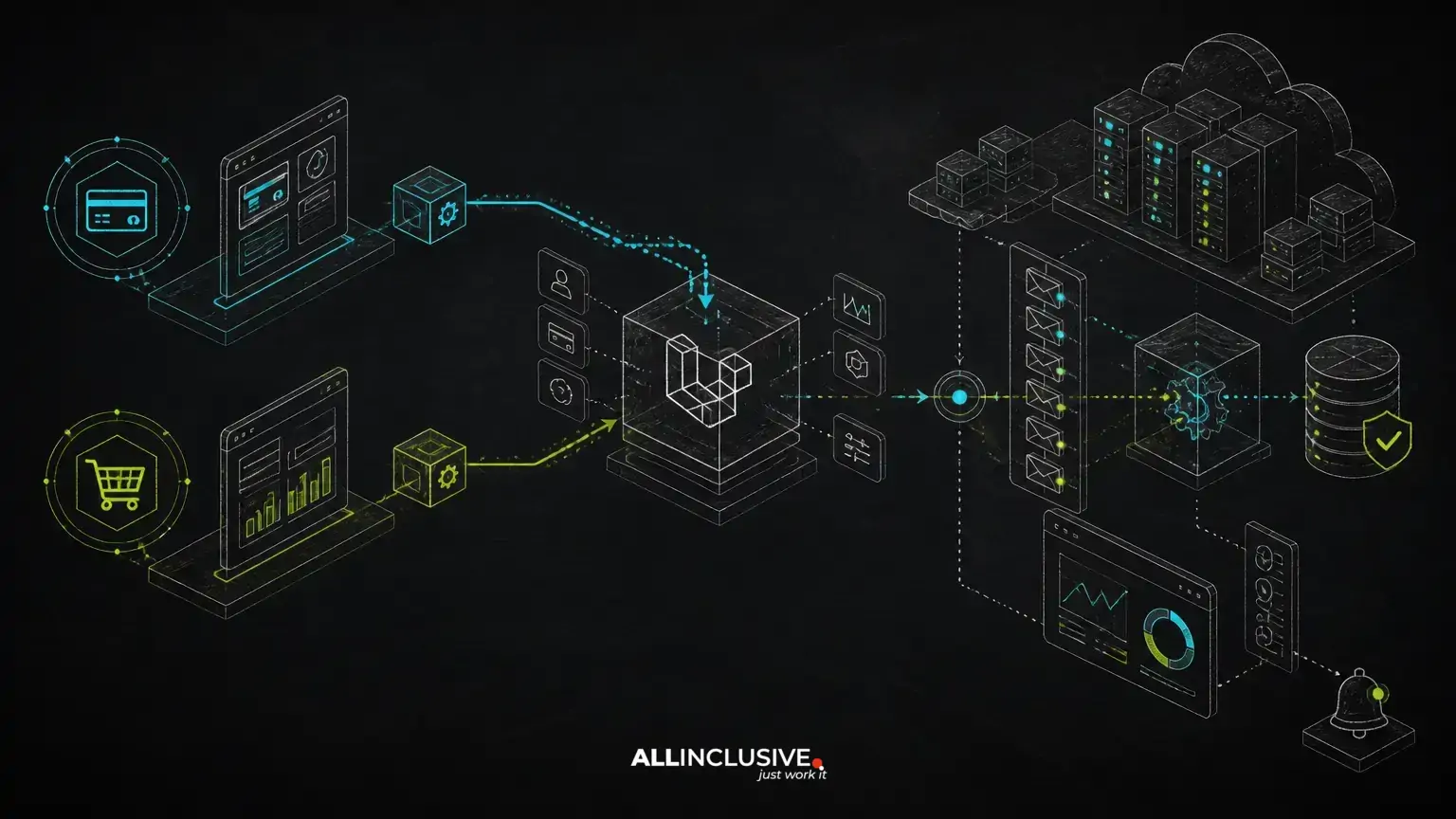
Laravel Stripe Paddle integration is not primarily a matter of adding a checkout button. The difficult work begins after payment: modeling subscriptions, processing asynchronous webhooks, handling retries, reconciling provider data and ensuring application access reflects trustworthy billing state. When planning laravel stripe paddle integration, the implementation context in custom software development is also relevant.
Stripe and Paddle can both support recurring billing, but they represent different operational choices. Stripe gives a team direct control over payment and billing primitives. Paddle can reduce parts of the merchant-of-record and tax-management burden, depending on the product, geography and commercial requirements. In either case, Laravel should treat billing as a domain with explicit rules rather than scattering provider calls throughout controllers and models.
This article presents an architecture for subscription workflows, provider adapters, webhook processing and entitlement decisions in a custom Laravel application.
Start with a billing domain, not provider-specific conditionals
A maintainable integration separates the application’s business concepts from Stripe or Paddle terminology. Your product may need concepts such as an account, customer, plan, subscription, entitlement, invoice and payment status. Those concepts should remain understandable if the business later changes providers or adds a second billing path.
A typical Laravel data model may include:
- Billing customer: the local account or organization associated with an external customer record.
- Product and price mapping: local commercial offerings mapped to provider-specific product, price or plan identifiers.
- Subscription: the local lifecycle record, including provider, external identifier, status, current period boundaries and cancellation intent.
- Entitlement: the application’s answer to whether a user or organization can access a paid capability.
- Webhook event: a durable record of received provider events, including an external event ID and processing status.
Eloquent is useful for these relationships, but the model should not become the place where every billing decision is hidden. Use application services or domain actions for operations such as starting a subscription, changing a plan, recording a cancellation request and applying a provider event.
Choose Stripe, Paddle or a provider abstraction deliberately
Stripe is often appropriate when the product team needs granular control over payment flows, invoices, payment methods, customer records and billing operations. That control also means the application and operations team must understand more of the payment lifecycle and regional obligations that apply to the business.
Paddle may be attractive when a software company wants a provider to handle more of the merchant-of-record workflow. The commercial and tax implications must be reviewed for the company’s jurisdictions and product model; provider responsibility does not eliminate the need for accurate application records, customer communication and reconciliation.
Do not create a large abstraction merely to make both providers look identical. Abstract the business operations that must remain stable, while preserving provider-specific capabilities where they matter. For example, an application service might expose createSubscription, changeSubscription and cancelSubscription, while provider adapters translate those operations into Stripe or Paddle requests.
Store the provider name and external identifiers explicitly. Avoid assuming that identifiers, status names, invoice behavior or event payload structures are interchangeable.
Model subscription state separately from user access
One of the most common design mistakes is treating a subscription status as a direct permission check. A subscription can be active while a payment issue is being resolved, canceled at the end of a period, paused under a provider-specific rule or affected by a manual administrative action.
Instead, calculate access through a deliberate entitlement policy. That policy can consider:
- the local subscription state;
- the current billing period and cancellation date;
- grace-period rules approved by the product team;
- organization-level ownership and seat limits;
- manual overrides or support actions;
- whether a required webhook or reconciliation step is still pending.
Authorization should then use the resulting entitlement. Laravel gates, policies or a dedicated authorization service can enforce access consistently across web requests, APIs and queued jobs. This prevents a controller from making one interpretation of “active” while a background job makes another.
Use checkout sessions and billing actions as application workflows
Checkout should be an application workflow with a clear boundary. A Laravel controller can validate the selected local plan, authorize the account to purchase it, create a pending billing record and request a checkout session from the chosen provider. It should not mark the subscription as paid merely because a checkout URL was returned.
The authoritative transition should come from a verified provider response or webhook, according to the provider’s documented lifecycle. Until that transition occurs, the local record can remain pending. This avoids granting paid access when a customer abandons checkout, a payment requires additional action or a provider request succeeds only partially.
For plan changes, define whether the product supports immediate changes, changes at the next renewal, prorations, seat adjustments or restrictions on downgrades. These are business rules, not merely API parameters. Represent the intended operation locally so that support staff and background processes can understand what the customer requested.
Design webhooks as durable, idempotent message processing
Webhooks are asynchronous messages, not ordinary HTTP callbacks. Providers may retry delivery, send events out of order or deliver an event more than once. Laravel webhook endpoints should therefore do as little synchronous business work as possible.
A robust flow is:
- Receive the request over HTTPS and verify its signature using the provider’s documented method.
- Extract the provider event identifier and reject or safely ignore an already-recorded duplicate.
- Persist the raw or normalized event metadata and mark it as received.
- Return an appropriate response promptly.
- Dispatch a queued job to interpret and apply the event.
- Record processing status, error details and retry information.
Idempotency requires more than checking whether a local subscription is already active. Put a unique constraint on the provider and event ID, and make state transitions safe to repeat. If an event updates a subscription, compare timestamps, versions or known lifecycle facts before allowing an older message to overwrite newer state.
Keep signature verification, event normalization and business-state application as separate steps. This makes provider upgrades easier to test and gives operations teams a clear way to replay failed events.
Plan for event ordering, retries and reconciliation
Even a correctly implemented webhook consumer can encounter incomplete information. A subscription-created event may arrive before a related invoice event. A cancellation event may follow a payment failure. A provider may retry because your endpoint timed out after successfully writing the event.
Queued jobs should use controlled retries and alerting rather than retrying indefinitely. Failed events need an operator-visible status, not only a log line. A replay command or administrative workflow can reprocess a stored event after a code or configuration issue is fixed.
Reconciliation is the second line of defense. A scheduled Laravel command can identify local records that have not received expected updates, compare selected records with provider data and raise exceptions for review. Reconciliation should not silently overwrite local business decisions; it should expose divergence and apply documented correction rules.
Keep provider credentials and billing data out of unsafe paths
Use environment-backed secrets or a managed secret store for provider credentials. Limit production keys to the permissions and systems that need them, and avoid writing full payment payloads into application logs. Sensitive customer and transaction data should be retained only when there is a defined operational or legal reason.
Webhook verification must happen before trusting event content. Protect administrative billing actions with authentication, authorization and audit records. A support user who can cancel a subscription or grant an entitlement should be distinguishable from the customer who initiated an automated workflow.
Review data retention, privacy obligations and provider terms with the appropriate legal and compliance specialists. Laravel can enforce technical controls, but it cannot decide the company’s regulatory responsibilities.
Test billing behavior beyond the happy path
Billing tests should cover business transitions, provider adapters and operational failure modes. Useful scenarios include:
- checkout creation for an authorized account;
- duplicate webhook delivery;
- invalid webhook signatures;
- events arriving out of order;
- payment failure followed by recovery;
- cancellation at period end versus immediate cancellation;
- plan upgrades, downgrades and seat changes;
- provider timeouts and queued-job retries;
- reconciliation of a missing or inconsistent event;
- loss of access when the entitlement policy says it should end.
Use provider sandbox or test environments for contract checks, but keep most business-rule tests independent of live provider APIs. Adapter tests should verify that local operations produce the expected provider requests and that representative provider events normalize correctly. This balance improves feedback speed without pretending a mocked provider proves production behavior.
A reliable release process matters because billing changes have direct revenue and customer-access consequences. The Laravel testing and CI/CD guide provides a broader approach to automated verification and deployment controls.
Make deployment and operations part of the integration
Production billing needs more than application code. Queue workers must run reliably, failed jobs must be monitored, scheduler tasks must execute, and webhook endpoints must be reachable through the intended network and security controls.
Deploy database changes in a backward-compatible sequence when queues or multiple application instances may run during a release. Add indexes for provider identifiers and event lookups. Monitor webhook response failures, queue depth, processing latency, duplicate events, reconciliation exceptions and unexpected entitlement changes.
When hosting Laravel on AWS or another cloud platform, treat workers, scheduler execution, secrets, logs and database backups as part of the billing architecture rather than incidental infrastructure. The Laravel AWS deployment guide covers the broader operational concerns involved in running a growing Laravel application.
When a custom Laravel billing layer is the right investment
A custom billing layer is justified when subscription rules, organization accounts, entitlements, usage limits, migrations or support workflows are central to the product. It gives the team ownership of domain behavior and makes provider changes less disruptive.
It is not a reason to rebuild payment infrastructure unnecessarily. Use established provider APIs and official SDKs where appropriate, isolate external calls, and keep the application’s custom code focused on product-specific rules. During a migration from an older PHP system, stabilize existing billing behavior first, document the current state model, then move responsibilities incrementally rather than combining a provider switch with an uncontrolled rewrite.
For broader guidance on designing and implementing custom applications, see Allinclusive web development services. Ongoing monitoring, upgrades and incident response also belong in the operating model; the support and maintenance service outlines that broader responsibility.
A practical architecture checklist for Laravel billing
- Define local subscription, customer, product, price and entitlement concepts.
- Store provider names and external identifiers explicitly.
- Keep provider calls behind application services or adapters.
- Verify webhook signatures before processing payloads.
- Persist event IDs with uniqueness protection.
- Process events asynchronously with controlled retries.
- Handle out-of-order events and support replay.
- Separate subscription state from authorization decisions.
- Test failed payments, cancellations, duplicates and reconciliation.
- Monitor queues, webhook failures and unexpected access changes.
The strongest Laravel Stripe Paddle integration is not the one with the fewest lines of code. It is the one where billing state has a clear owner, provider events are treated as unreliable messages, customer access follows explicit policy and the system can be diagnosed when reality diverges from the expected lifecycle.