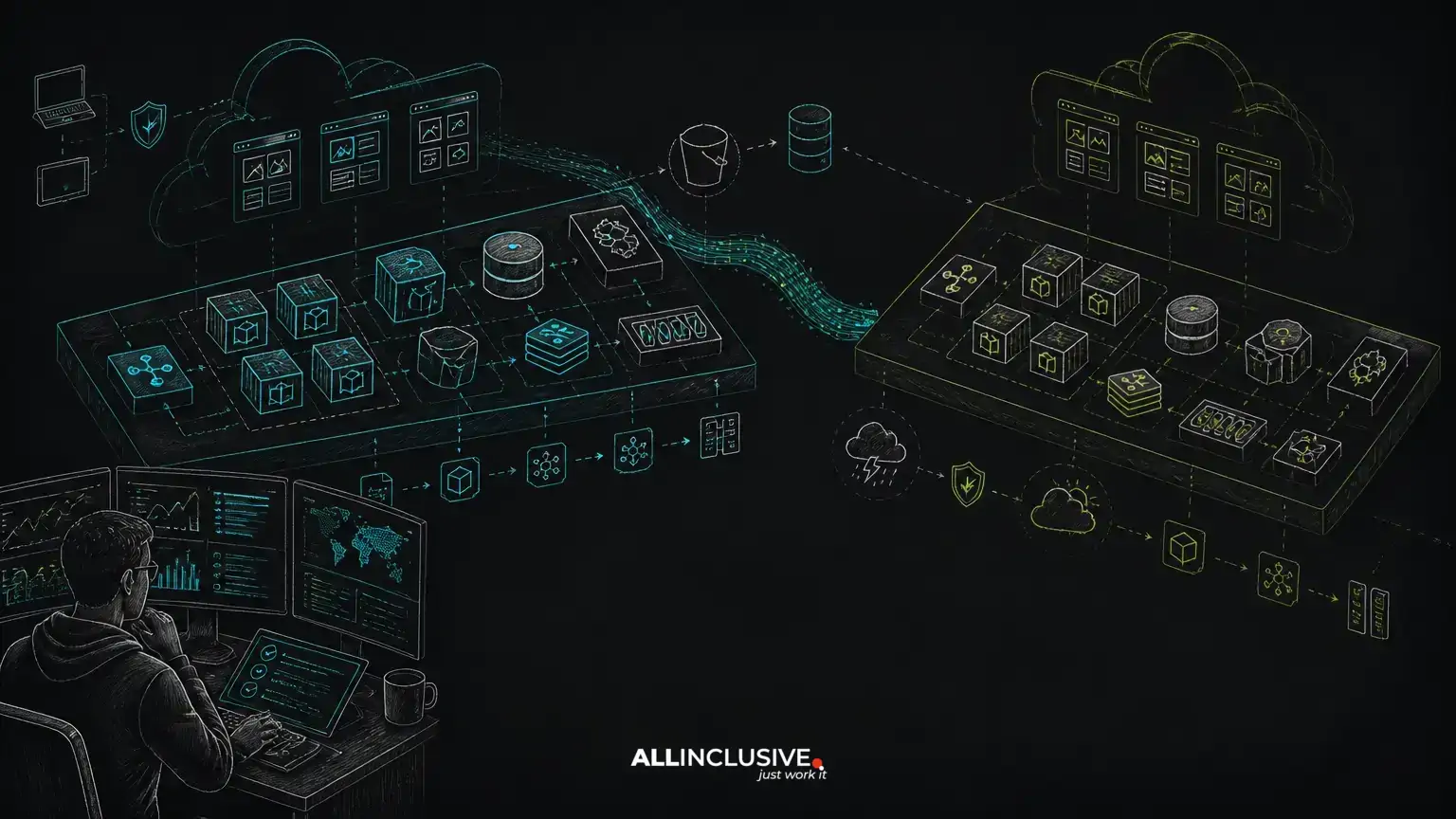
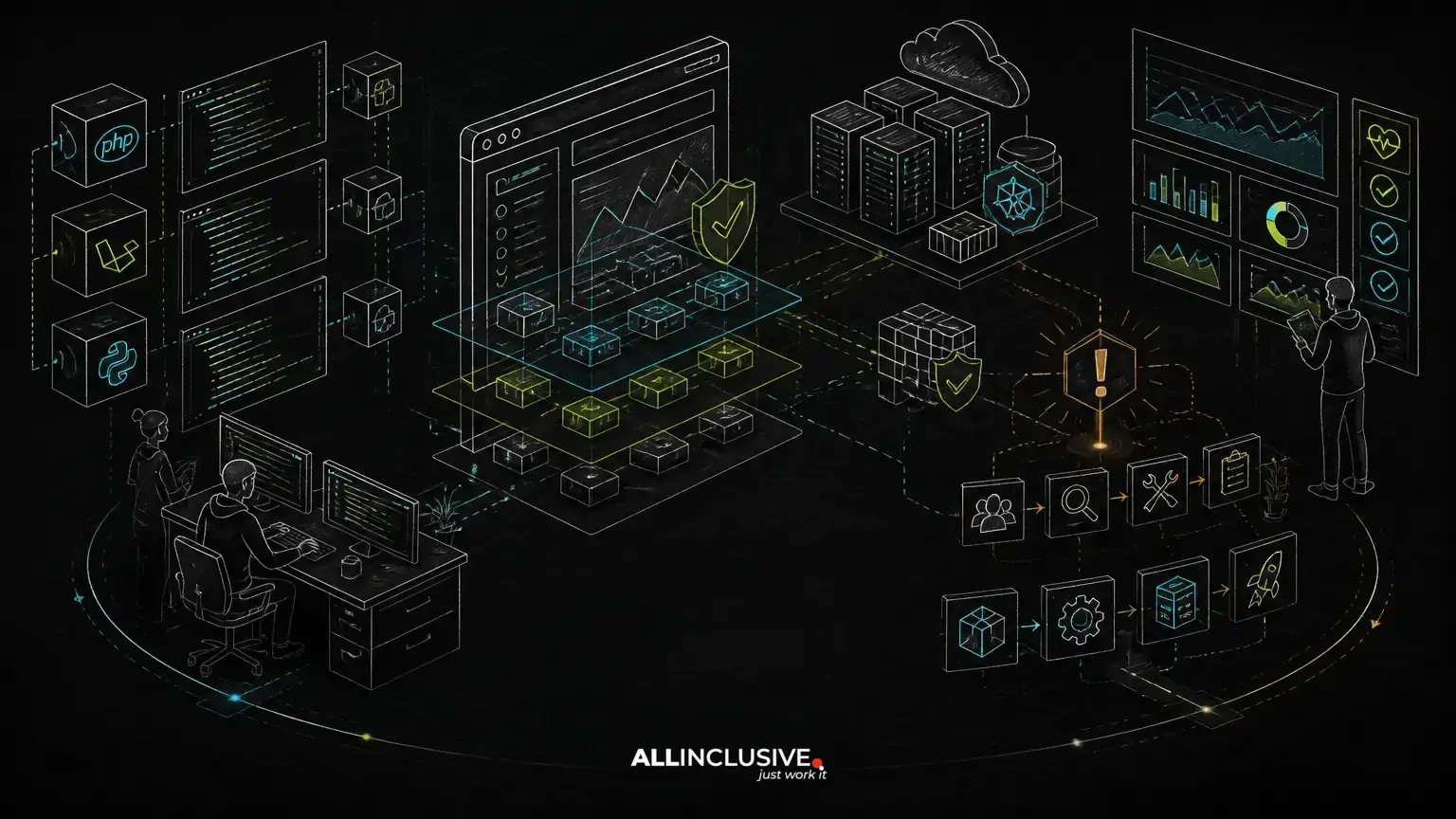
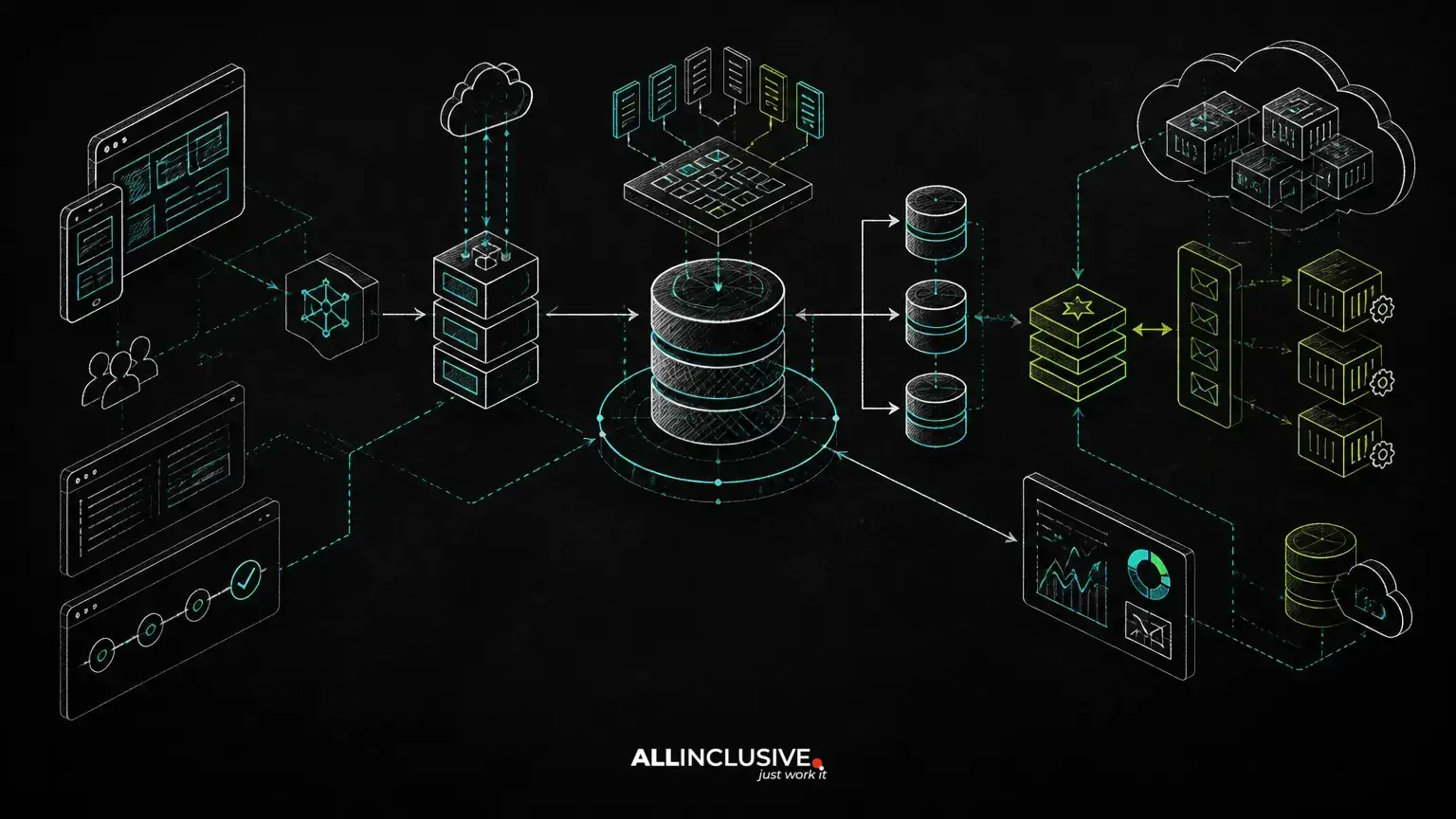
A strong dependency update strategy treats package maintenance as part of application ownership, not as occasional cleanup. For a long-lived Laravel, PHP or Python application, the goal is not to update everything immediately. It is to know what the application depends on, understand which changes matter, apply updates in a controlled order, and preserve a reliable path back when a release causes trouble. For dependency update strategy, an adjacent technical consideration is explained in custom software development.
This matters after launch because dependency risk accumulates quietly. Security advisories, unsupported runtimes, abandoned packages, incompatible transitive dependencies and undocumented deployment assumptions can turn a routine change into an incident. A repeatable process reduces that risk while keeping product delivery moving.
Dependency work should sit alongside monitoring, incident response, technical debt planning and roadmap management. Teams responsible for support and maintenance can use the following model to make updates visible, testable and accountable.
Start with an inventory, not an upgrade command
Before changing versions, establish what is actually in production. The dependency manifest alone is not always a complete operational picture. A mature application may also rely on system libraries, PHP or Python runtime versions, database drivers, image-processing tools, browser automation binaries, container base images, CI actions, private packages and external APIs.
Create an inventory that connects each component to its role and operational importance:
- Direct dependencies: packages explicitly selected by the application team.
- Transitive dependencies: packages installed because another package requires them.
- Runtime constraints: supported PHP or Python versions, extensions, operating-system packages and container images.
- Production integrations: payment, identity, messaging, storage, search and observability services.
- Build and deployment tooling: package managers, CI runners, migration tools and release scripts.
- Business-critical paths: authentication, checkout, billing, data imports, reporting and administrative workflows.
Record where the application runs, which lockfiles are authoritative, and how dependencies reach production. An inherited codebase may contain different assumptions between local development, staging and production. Resolving those differences is often more valuable than immediately upgrading a package.
Classify updates by risk and urgency
Not every available update deserves the same treatment. A useful strategy separates urgency from change risk. A security fix in a deeply used authentication library may require prompt action even if it needs careful testing. A minor development-only tool update may wait for the next maintenance window.
Classify proposed updates using several questions:
- Does the update address a known security issue or unsupported version?
- Does it change a public API, default behavior, database integration or serialization format?
- Is the package used on a critical user or operational path?
- Does it require a runtime, framework or infrastructure change?
- Can the current test suite detect likely regressions?
- Can the team roll back the application and any associated data changes?
Laravel and PHP applications may have coupled framework, runtime and package constraints. Python applications can have similar coupling across the interpreter, web framework, scientific libraries and native extensions. Treating the entire dependency graph as one undifferentiated list hides these relationships.
Use small, repeatable update batches
Large upgrade branches are difficult to review and harder to diagnose. A safer approach is to group changes by compatibility and purpose. For example, routine patch updates may be handled in one controlled batch, while a framework major-version migration receives its own branch, test plan and release decision.
Keep the following changes separate unless there is a clear reason to combine them:
- Runtime upgrades and application package upgrades.
- Framework major versions and unrelated feature work.
- Database driver changes and schema migrations.
- Security remediation and broad refactoring.
- Production dependency changes and developer-tooling changes.
Small batches improve review quality. They also make incident response more precise: if a release changes five related packages and a single integration fails, the team has a manageable investigation surface. This is especially important when supporting custom-made software whose original architectural assumptions may not be documented.
Make the lockfile and environment reproducible
A dependency strategy is only reliable when the same dependency graph can be recreated. Commit the appropriate lockfile, define supported runtime versions, and make CI use the same installation mode expected in deployment. Avoid allowing production builds to resolve a new dependency graph unexpectedly during release.
Reproducibility also includes configuration and infrastructure. Document required PHP extensions, Python system libraries, environment variables, queue workers, scheduled jobs and service credentials. Containerized deployments should identify their base image and build inputs. Traditional server deployments should document package installation and restart behavior.
For older systems, first aim for repeatable builds before attempting broad modernization. Stabilizing the build process gives the team a dependable baseline and exposes hidden dependencies that would otherwise appear during an upgrade.
Test the workflows that dependencies can break
Passing unit tests is useful but not sufficient. Dependency changes often affect boundaries: HTTP clients, database drivers, queues, file storage, authentication middleware, templating, serialization or third-party SDKs.
Build a regression set around business-critical behavior:
- Run static checks and unit tests for local logic.
- Exercise integration tests against supported databases and external-service substitutes.
- Test authentication, authorization and session behavior.
- Run representative queue, scheduled-job and import workflows.
- Verify uploads, exports, emails, webhooks and payment-related flows where applicable.
- Perform smoke tests in an environment that matches production configuration.
- Compare logs, error rates and key user journeys after release.
If coverage is limited, do not pretend the change is low risk. Add targeted tests around the affected boundary or create a manual verification checklist with named owners. A concise, repeatable smoke test is better than an undocumented assumption that “the application still loads.”
Plan database and data compatibility separately
Dependency upgrades become harder when application code and data changes are deployed as one irreversible step. A package or framework update may alter query behavior, validation, serialization or migration handling. The release plan should state whether the database change is backward compatible with the previous application version.
Prefer an expand-and-contract approach for consequential schema changes:
- Add new fields or structures without removing the old path.
- Deploy code that can read both representations when necessary.
- Backfill or transform data through a controlled process.
- Switch traffic or application behavior after verification.
- Remove obsolete structures only after rollback is no longer required.
This reduces the chance that a failed application release leaves the database in a state the previous version cannot understand. It also gives product and operations teams more control over maintenance windows.
Define release, rollback and incident ownership
An update is not complete when a pull request is merged. Before release, identify who approves the change, who monitors it, who communicates with stakeholders and who can make the rollback decision.
A practical release record should include:
- The packages, runtime components and lockfile changes included.
- The reason for the update and any security or support deadline.
- Expected behavior changes and affected workflows.
- Test results and known limitations in coverage.
- Deployment steps, migrations and feature-flag changes.
- Rollback steps and whether rollback is safe after database changes.
- Monitoring signals and the person responsible for reviewing them.
Rollback may mean reverting the application artifact, disabling a feature, restoring a previous container image or applying a forward fix. It is not always safe to restore code after an irreversible data migration, so the rollback plan must be designed with the database and external side effects in mind.
For a broader operational view, use an incident response process for web applications that covers alert triage, containment, root-cause analysis and follow-up work.
Monitor after the update, not just during deployment
Some dependency regressions appear only under real traffic or unusual data. Monitor application errors, latency, queue depth, failed jobs, database load, authentication failures and external-service responses after release. Compare behavior with a meaningful pre-release baseline where one exists.
Monitoring should connect technical signals to user impact. A small increase in a low-priority background warning may not require the same response as a failed checkout, delayed customer notification or inaccessible administrative workflow.
An application monitoring checklist can help teams define the signals, thresholds and ownership needed before users report a problem.
Handle inherited applications with a staged baseline
When a team takes over an inherited Laravel, PHP or Python system, dependency updates should begin with discovery rather than immediate modernization. Establish how the application is built, deployed, monitored and restored. Identify unsupported runtimes, unmaintained packages, undocumented patches and areas with no meaningful test coverage.
Then create a staged plan:
- Stabilize: reproduce deployments, secure access, capture backups and establish monitoring.
- Reduce immediate exposure: address urgent security issues and unsupported components with the smallest safe changes.
- Improve confidence: add tests and release checks around critical workflows.
- Upgrade deliberately: handle framework, runtime and architectural changes as planned work.
- Refactor selectively: remove the constraints that repeatedly slow delivery or increase operational risk.
This approach avoids confusing an upgrade with a rebuild. Some applications need modernization; others first need dependable ownership and a clear maintenance baseline.
Turn dependency maintenance into a product operating rhythm
Dependency work competes with features, defects and roadmap commitments. Assigning it an explicit place in the operating rhythm prevents the backlog from becoming an emergency queue. Review dependency status regularly, reserve capacity for security and compatibility work, and track postponed updates with a reason and reassessment date.
Useful measures are operational rather than cosmetic: unresolved security findings, unsupported runtime exposure, age of postponed updates, failed upgrade attempts, rollback frequency and time required to validate a release. These measures help product leaders understand whether maintenance is improving delivery capacity or merely consuming it.
When the application has multiple owners, a dedicated product engineering model can preserve continuity across roadmap delivery, incidents and technical maintenance. See dedicated product teams for the broader ownership model.
What a durable dependency update strategy should produce
A mature strategy leaves the team with more than an updated manifest. It produces an accurate dependency inventory, reproducible builds, risk-based update rules, tests for critical workflows, release and rollback procedures, post-release monitoring, and clear ownership of postponed work.
For long-lived custom applications, that discipline protects more than security posture. It keeps upgrades from becoming unpredictable interruptions, gives product teams a clearer delivery plan, and preserves the ability to evolve the system as its users and business processes change.
For teams planning ongoing development alongside maintenance, custom web development should be treated as a continuing engineering capability rather than a one-time launch activity.