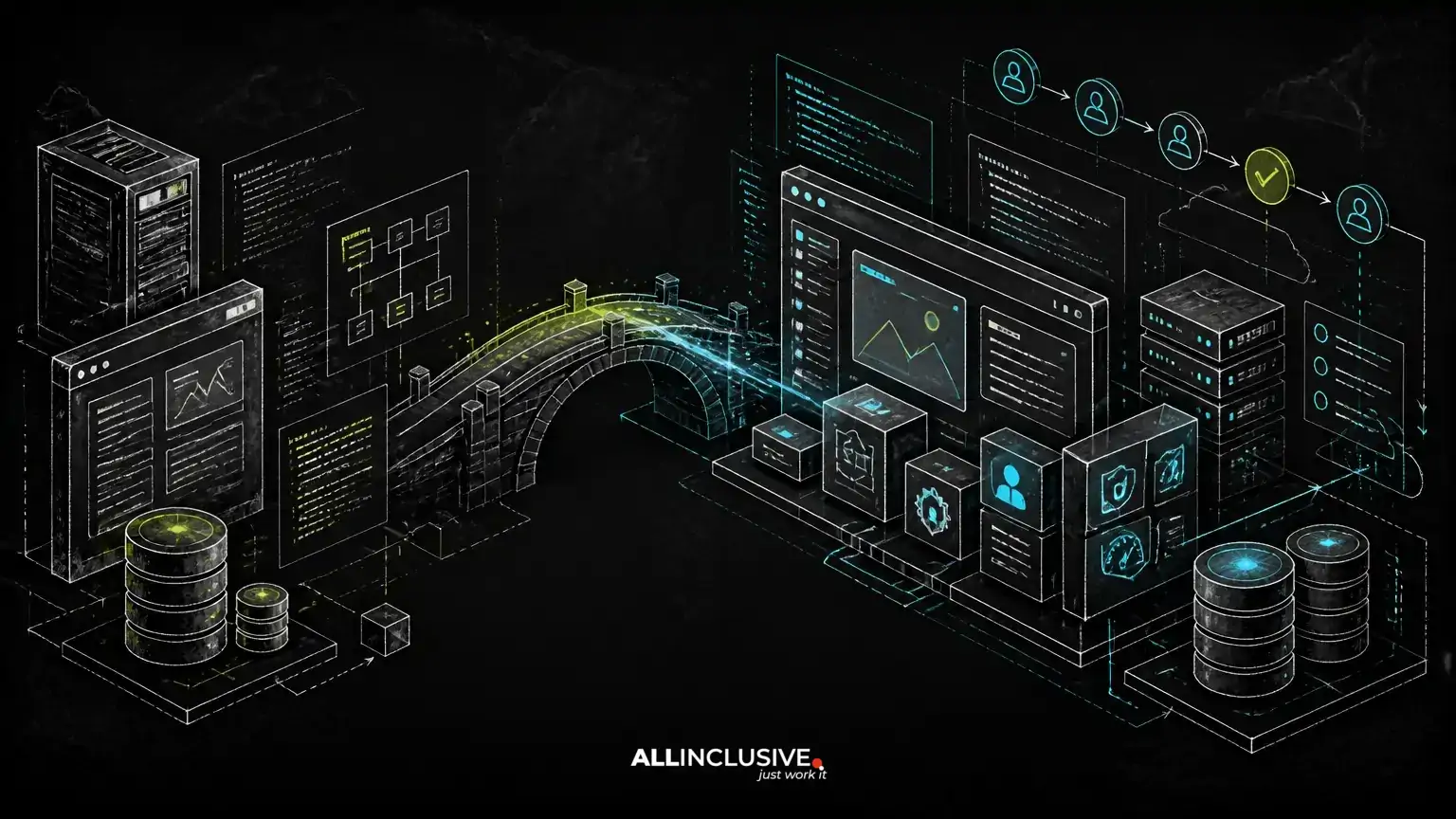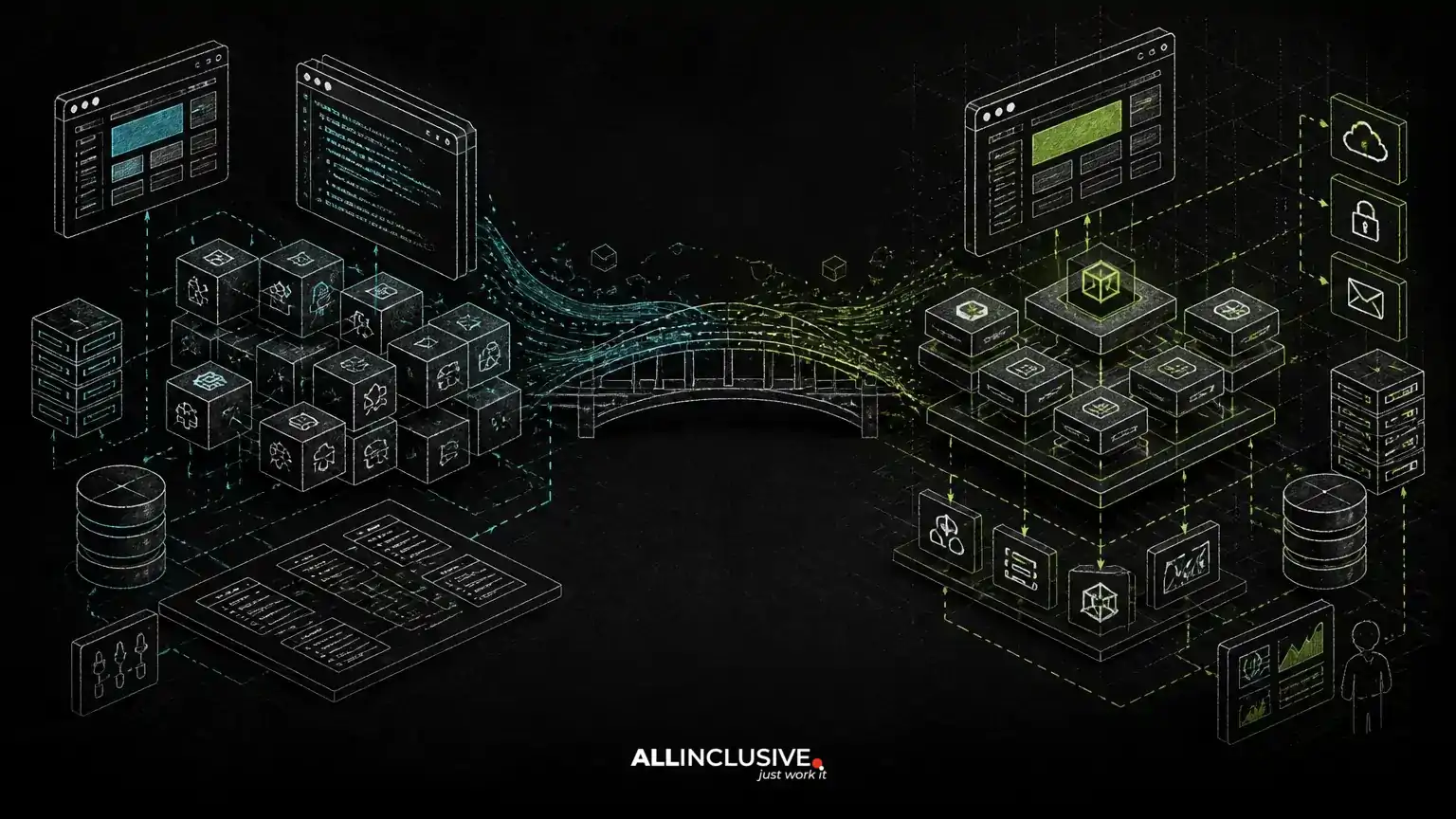
AI sales automation is most useful when it removes repetitive work without giving an unverified system unrestricted control over customer relationships, pricing or commitments. Agents can research accounts, summarize calls, draft messages, update records and recommend next actions. They should not automatically make high-impact decisions simply because a language model can produce a convincing response.
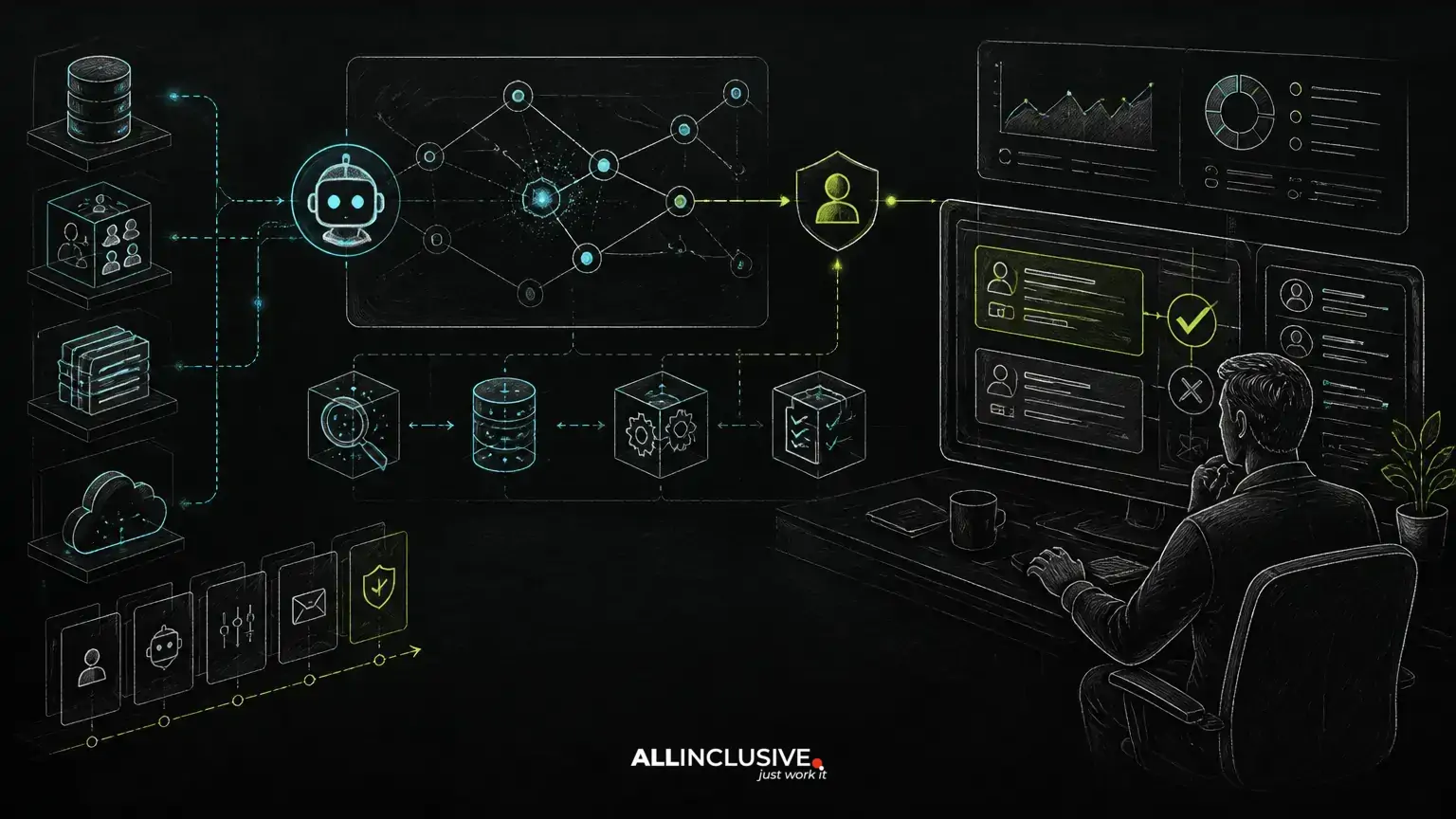
The strongest implementations treat AI as production software: connected to controlled business tools, grounded in approved data, measured with evaluations, monitored in operation and designed with human review at specific decision points. That approach is more dependable than placing a chatbot in front of a CRM and hoping users will catch its mistakes.
Where AI sales automation can provide practical leverage
Sales teams spend substantial time moving information between systems and preparing work that follows recognizable patterns. These are good candidates for AI assistance when the system can access the right context and operate within explicit permissions.
Account and contact research
An AI workflow can collect approved public or internal information, summarize an account, identify relevant products and organize findings for a salesperson. Retrieval-augmented generation can help the model cite or quote source material instead of relying only on its training data. The workflow should preserve source links, timestamps and uncertainty so a representative can verify important claims.
Call and meeting follow-up
Transcription and summarization can turn a conversation into structured notes, follow-up tasks and draft correspondence. The system may identify commitments, objections and unanswered questions, but it should distinguish what was explicitly said from what it inferred. A review step before sending a customer-facing message is often appropriate, particularly when the summary affects an opportunity forecast or contractual expectation.
CRM administration
Agents can suggest updates to opportunity stages, contact records, next steps and activity logs. Writing directly to a CRM is safer when the agent uses narrow tools with field-level validation, rather than unrestricted API access. Required fields, allowed values, duplicate detection and audit logs provide controls that a prompt alone cannot provide.
Lead qualification and prioritization
AI can organize inbound inquiries, extract requirements and recommend routing. Qualification logic should remain transparent: teams need to know which facts influenced a recommendation and how missing or ambiguous information was handled. Automated prioritization may also raise fairness, privacy and compliance concerns, so human review should remain available for disputed or consequential decisions.
Where human approval should remain in the workflow
Human review matters when an error can damage trust, create a financial obligation, expose sensitive information or remove a meaningful customer choice. The right question is not whether a model is generally accurate; it is whether this particular action is reversible and acceptable when it is wrong.
- External commitments: pricing, discounts, delivery dates, implementation promises, legal language and contractual terms should normally require approval.
- Relationship-sensitive communication: complaints, escalations, renewal risk and messages involving sensitive circumstances benefit from accountable human judgment.
- High-impact qualification: decisions that affect access, eligibility, service levels or customer treatment need explainable rules and an escalation path.
- Uncertain or conflicting evidence: the workflow should stop or ask for review when retrieved sources disagree, required data is missing or confidence is low.
- Privacy-sensitive actions: access to personal, financial or confidential information should be limited by role and purpose, not granted because an agent requested it.
Approval does not have to mean reviewing every low-risk draft. A useful design routes routine, reversible actions through automation while reserving people for exceptions and irreversible steps.
Designing agents around tools, permissions and workflow states
A sales agent should be treated as an orchestration layer, not as an autonomous employee with broad credentials. It can reason over context and decide which approved tool to call, while the application enforces what the tool is allowed to do.
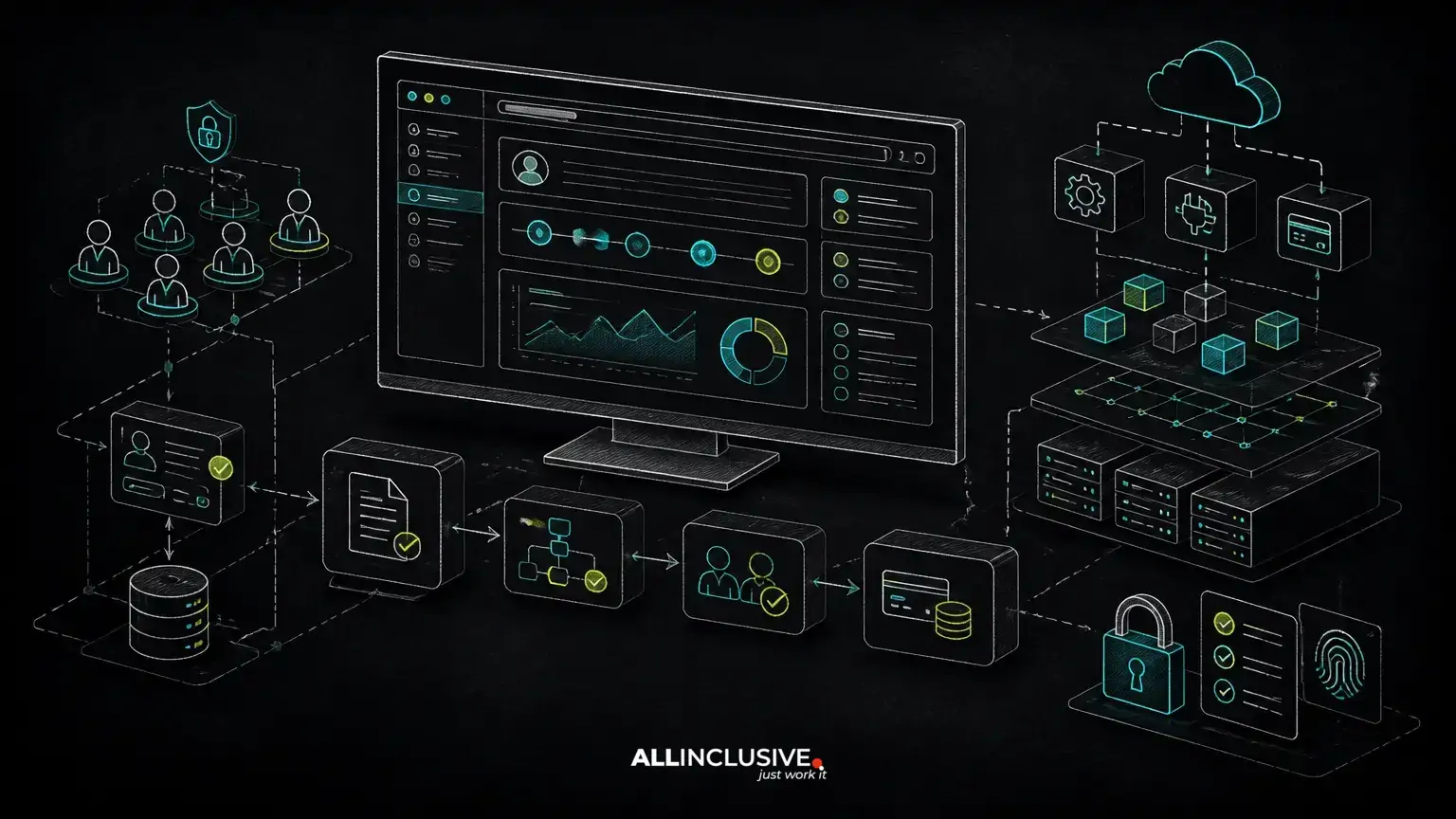
For example, an agent might have separate tools to search account records, retrieve approved product information, create a draft email and propose a CRM update. Sending the email, changing an opportunity stage or applying a discount can require a separate approval token. This separation makes actions inspectable and reduces the risk that an instruction hidden in retrieved content can trigger an unintended operation.
Workflow state is equally important. A prospect may move from new to researched, draft ready, approved and sent. Each transition can define required data, authorized roles and rollback behavior. Laravel or another application layer can own these product workflows, permissions and audit records, while Python services handle model orchestration, retrieval or specialized processing. This division keeps business rules out of prompts and makes the system easier to test and maintain.
Grounding sales agents with retrieval instead of unsupported answers
Sales automation often depends on current product details, account history, approved messaging and policy documents. A retrieval pipeline can index those sources, create embeddings for semantic search and optionally rerank results before passing a limited context window to the model.
Retrieval is not a guarantee of correctness. Poor chunking, stale documents, duplicate policies or overly broad search can still produce an inaccurate answer. Production systems should identify the source documents used, enforce access controls during retrieval and define what happens when no sufficiently relevant source is found. In some workflows, the safest response is to create a research task rather than draft an answer.
Teams should also separate durable knowledge from transactional state. Product policy may belong in a managed knowledge base, while the current opportunity stage and account permissions should come from authoritative application systems at request time. Mixing both into an ungoverned vector store makes freshness and access harder to reason about.
Evaluating quality before sales users depend on it
A demonstration can show that an agent produces plausible text. It cannot establish that the system is reliable across real customer scenarios. An evaluation set should represent the tasks the workflow will perform: extracting needs from calls, selecting approved sources, proposing next steps, following routing rules and refusing unsupported requests.
Useful evaluation criteria may include factual accuracy, source attribution, correct tool selection, policy compliance, completeness, tone and appropriate escalation. Test cases should include adversarial and ambiguous examples, such as conflicting account records, outdated product material, prompt injection in retrieved content and requests for unauthorized discounts.
Automated checks can cover structured fields and prohibited actions, while human reviewers assess nuanced communication. Evaluation results should be versioned with prompts, retrieval settings, tool schemas and model choices. If a model or document set changes, the team can rerun relevant tests rather than relying on anecdotal feedback.
For a deeper treatment of measurement, see AI evaluation frameworks. Sales automation also benefits from a deliberate business-process automation approach that starts with workflow ownership and exception handling.
Observability, privacy and fallback behavior
Operational visibility is necessary when an AI workflow can influence customer activity. Logs should record the request context, retrieved sources, tool calls, approvals, model version, latency, errors and final outcome, subject to privacy and retention requirements. Sensitive content should be minimized, redacted where appropriate and protected with role-based access.
Monitoring should cover more than uptime. Teams can track failed tool calls, retrieval misses, escalation rates, invalid structured output, unusual action patterns and user overrides. Cost and latency also matter: a multi-step agent that invokes several models or searches may be technically capable but impractical during live sales work.
Fallbacks should be explicit. If the model is unavailable, the application may present a standard template, queue the task, show the underlying account data or require manual completion. A safe failure is preferable to silently generating a confident but unsupported customer message.
Choosing the right level of automation for each sales task
Before implementing an agent, classify the action by risk and reversibility.
- Assist: summarize, search, extract and suggest. A person remains responsible for the result.
- Draft: prepare an email, proposal section or CRM update for review.
- Execute with controls: perform low-risk, reversible actions under validation and permission checks.
- Escalate: stop when evidence is weak, policy is unclear or the action has material customer or business consequences.
This classification helps prevent a common failure mode: automating an entire process when only one repetitive step needed assistance. It also creates a clearer ownership model for product, sales operations, security and engineering.
Building an AI sales automation system that can be maintained
A production implementation needs more than model selection. Define the source systems of record, data retention rules, identity and authorization model, tool contracts, approval states, evaluation cases and operational owners before expanding the workflow. Keep prompts, routing rules and policies versioned. Make outputs structured where downstream software must act on them, and validate those outputs at the application boundary.
Custom software is often appropriate when sales workflows span a CRM, internal systems, product data and approval rules that off-the-shelf automation cannot represent safely. The architecture may combine a Laravel application for user-facing workflow management with Python services for retrieval, agent orchestration and model integration. The specific stack should follow existing ownership, integration requirements and operational constraints rather than forcing AI logic into whichever system is already available.
Teams planning that architecture can review Python development for AI workloads and the broader web development capabilities needed for secure workflow interfaces. For a wider view of production AI implementation, visit AI development and the development hub.
The most dependable AI sales automation is not the system that makes the most decisions without people. It is the system that removes repetitive work, preserves accountability, exposes uncertainty and makes approval easy where judgment still matters.