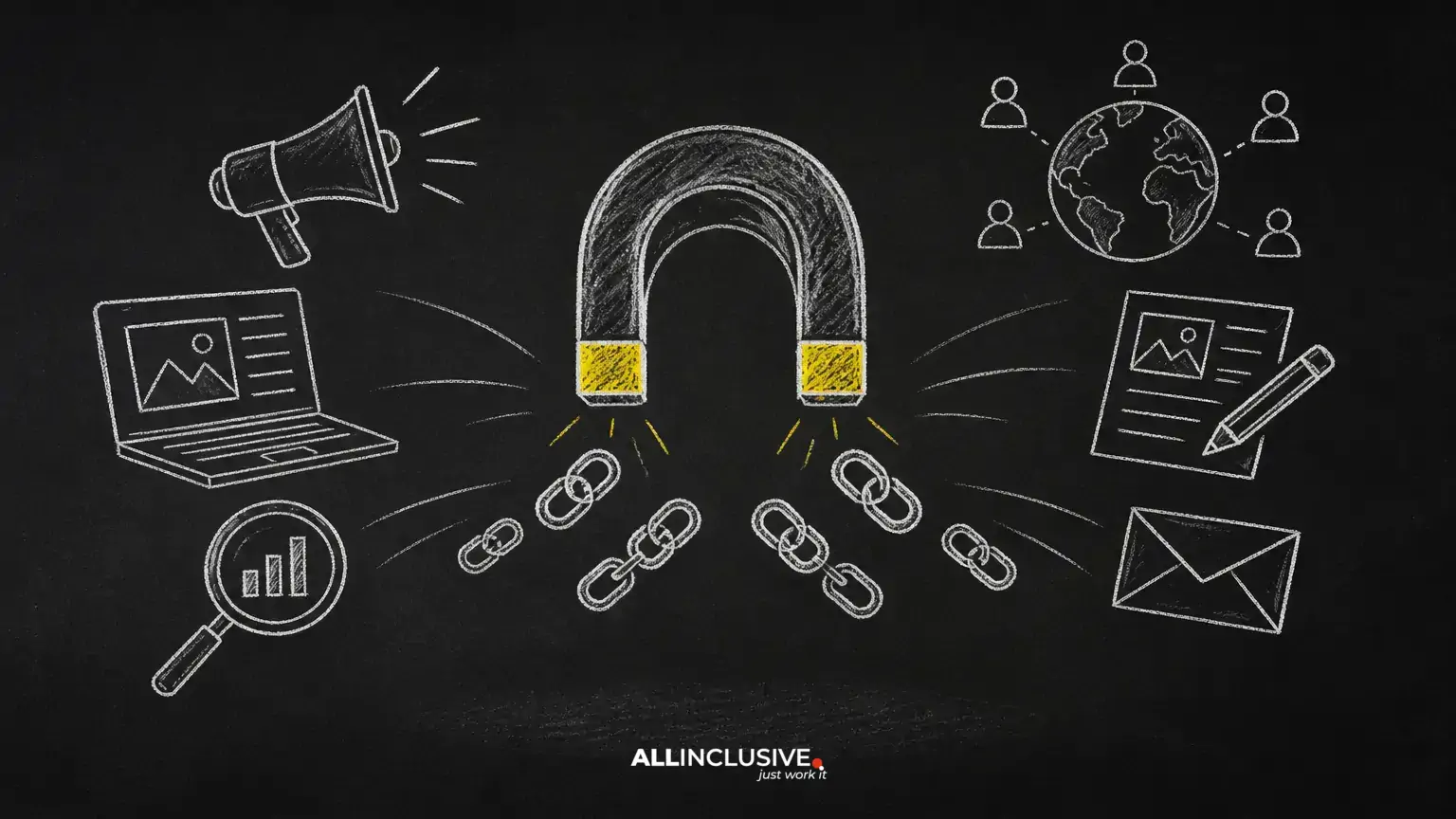
Digital PR sits at the intersection of public relations, content marketing, and link building. The work may involve research, journalist outreach, news commentary, expert contributions, or media-ready assets. Its purpose is not simply to place as many links as possible. A strong campaign gives a publication or audience a reason to care, then makes the brand a credible part of the story.
For SEO teams, digital PR can create relevant references from independent websites. For communications teams, it can expand awareness and shape how a company is understood. For commercial teams, it may bring qualified referral visits and support consideration. These goals overlap, but they should not be treated as interchangeable.
What digital PR means for link building
Traditional PR often focuses on reputation, relationships, media coverage, and public messaging. Digital PR uses those principles in online environments, where a story may generate coverage, discussion, referral visits, citations, or links to a company’s website.
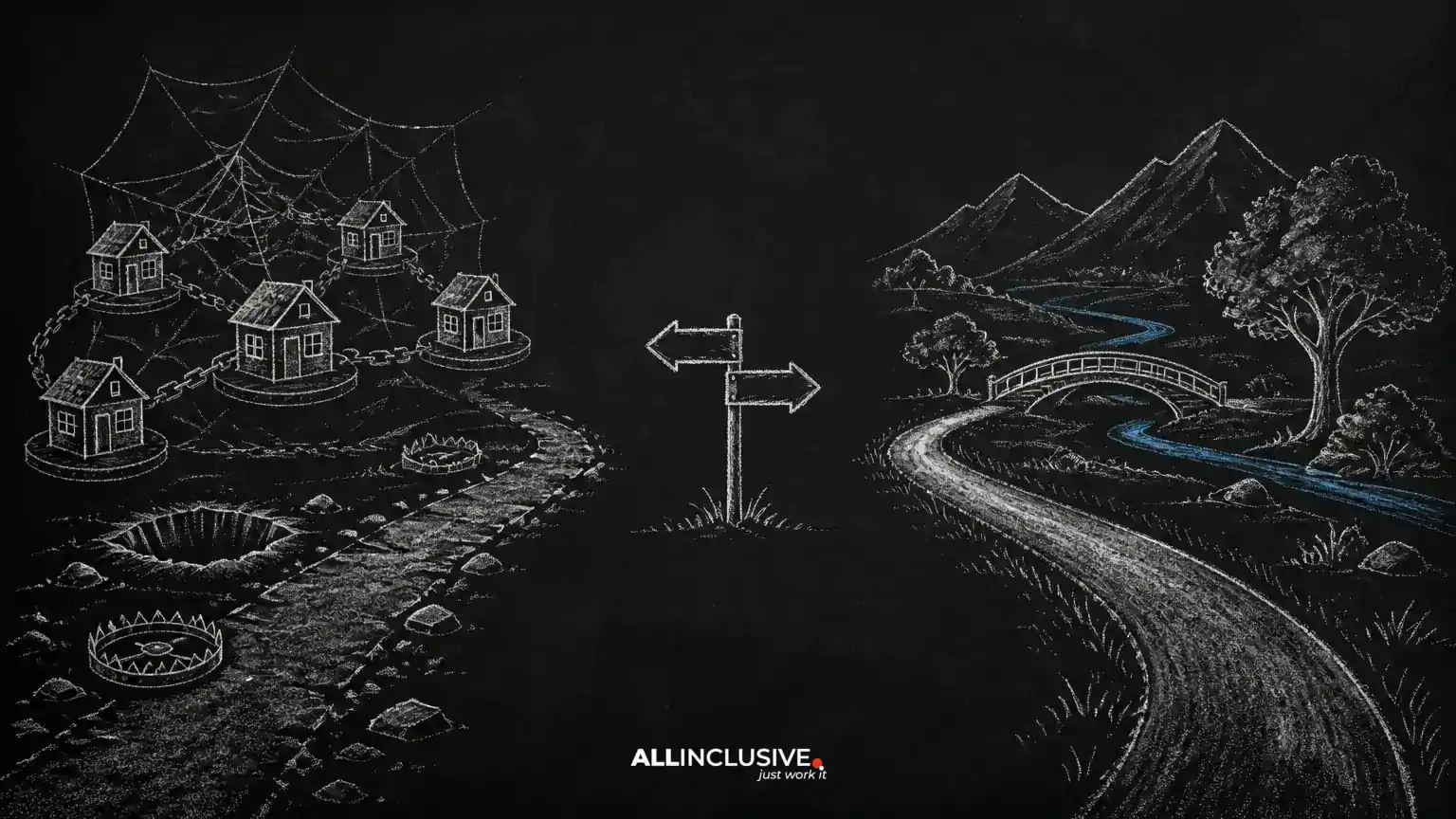
Link building is narrower. It focuses on earning links that help people discover useful resources and help search engines understand relationships between pages and topics. Digital PR can support link building, but the two disciplines are not identical. A campaign may succeed as PR without earning a followed link, while a link-building campaign may earn a placement without producing meaningful awareness or referral traffic.
The practical distinction matters because it changes how campaigns are planned. Instead of asking, “How many links can this idea generate?” ask:
- What audience would find this genuinely useful or interesting?
- What evidence, expertise, or perspective does the brand contribute?
- Which publications, communities, or creators already serve that audience?
- What would make an editor cite this resource voluntarily?
- How will success be evaluated if coverage does not include a link?
This approach discourages low-quality placements and keeps outreach grounded in editorial value. For broader technical and off-page planning, see Allinclusive’s link-building services.
Core tools in a digital PR workflow
Tools should reduce research and coordination effort, not replace judgment. A useful stack usually covers four jobs: opportunity discovery, asset development, outreach management, and measurement.
1. Search and topic research tools
Start by identifying questions, recurring debates, and information gaps in the market. Search results, industry publications, community discussions, customer interviews, and internal sales questions can all reveal topics worth investigating.
Look for subjects with at least one of these characteristics:
- A clear audience need that existing pages address poorly.
- A question publishers repeatedly need evidence to explain.
- A trend or change that affects a defined group of people.
- A comparison, benchmark, map, calculator, or dataset that saves readers time.
- An expert perspective that adds useful context without becoming an advertisement.
Keyword tools can help estimate the language people use, but search volume alone is not a sufficient reason to create a campaign. A low-volume topic may matter greatly to a specialist audience, while a broad topic may be too competitive or too disconnected from the company’s expertise.
2. Data and research tools
Original research is often valuable because it gives journalists and publishers something specific to cite. That research can come from a carefully designed survey, an analysis of public information, anonymized first-party data, expert interviews, or a transparent review of documented evidence.
Before publishing, define the research question, sample or data source, collection period, limitations, and methodology. Avoid presenting a small or selective dataset as representative of an entire market. Explain what the findings can support and what they cannot.
A simple research brief should record:
- The question being investigated.
- The population, source, or dataset examined.
- How observations were selected and categorized.
- Known gaps, possible bias, and uncertainty.
- The main findings and the practical meaning for readers.
Credibility is part of the outreach asset. If a journalist cannot quickly understand where a claim came from, the campaign becomes harder to trust and harder to use.
3. Media prospecting and relationship tools
Media databases and contact-management systems can help identify relevant publications and organize outreach. They are most useful when paired with manual qualification. A large contact list is not a strategy.
For each prospect, record the publication, audience, relevant topic, recent articles, preferred format, contact method, and reason the story may fit. Exclude contacts who clearly do not cover the subject. Personalization should reflect an actual editorial connection rather than superficial details.
Build relationships before a campaign is urgent where possible. Follow relevant coverage, share useful information without requesting a placement, and respect stated submission preferences. Trust is difficult to build through repeated mass emails.
4. Monitoring and measurement tools
Use monitoring tools to identify coverage, mentions, newly discovered links, referral visits, and changes in relevant search visibility. No single platform will show every mention or explain causation perfectly, so treat tool output as directional evidence that should be checked against the published page and analytics records.
Track the original asset, campaign theme, outreach date, coverage URL, linking page, destination URL, anchor context, estimated audience relevance, referral sessions, and any meaningful business action. Keep the record useful enough for learning, not so elaborate that the team stops maintaining it.
Campaign formats that can earn attention and links
Original research and expert analysis
Research-led campaigns work when the finding is clear, defensible, and relevant to a publisher’s audience. The strongest assets often combine a concise headline finding with downloadable tables, methodology notes, expert interpretation, and practical implications.
Do not hide the central evidence behind a form if the objective is citation and editorial use. Make important facts easy to verify and provide an embeddable chart or a stable page when appropriate. Outreach should explain the finding and why it fits the recipient’s readers, not simply announce that a new report exists.
Useful tools and reference assets
Calculators, checklists, glossaries, templates, maps, and comparison frameworks can attract links when they solve a recurring problem better than ordinary prose. The asset should be maintained when inputs, regulations, terminology, or best practices change.
Utility alone does not guarantee coverage. Explain the method, make the interface accessible, and show examples. A reference asset that is difficult to use or impossible to verify will create friction for both users and publishers.
Expert commentary and timely responses
When a relevant event or development is receiving attention, a qualified expert may offer concise context. Timeliness matters, but accuracy and restraint matter more. Do not force a company connection into a sensitive event, speculate about incomplete information, or use a crisis as a promotional opportunity.
Prepare a short response that states what is known, what remains uncertain, and what readers should consider. Make the spokesperson’s qualifications clear. If the subject is regulated, safety-related, financial, medical, or legally sensitive, require appropriate review before distribution.
Digital newsrooms and media resource pages
A well-organized newsroom can make it easier for journalists to find company background, executive biographies, product information, logos, approved images, research, and contact details. It is an owned resource, not a substitute for earned coverage.
Keep materials current, label dates clearly, provide accessible file formats, and avoid publishing confidential or unsupported claims. A newsroom is most useful when it reduces the time required to verify basic facts.
How to evaluate link opportunities
Do not judge a prospective link by a single third-party authority score. Evaluate the whole placement:
- Topical relevance: Does the page serve an audience connected to the subject and destination?
- Editorial fit: Would the link help readers understand, verify, or act on the information?
- Publication quality: Does the site demonstrate clear authorship, editing, and a genuine audience?
- Page context: Is the link placed within useful content rather than an unrelated directory or footer?
- Traffic potential: Could interested readers reasonably reach the site from this page?
- Durability: Is the page likely to remain available and maintained?
- Risk: Does the opportunity involve payment for editorial treatment, undisclosed sponsorship, manipulation, or irrelevant placement?
A high-authority domain with no topical connection may be less valuable than a specialist publication whose readers match the business. Similarly, a link should not be pursued if acquiring it would compromise disclosure or editorial independence.
Measuring a digital PR and link-building campaign
Use a measurement framework that separates outputs from outcomes.
Outputs
- Qualified pitches sent.
- Responses and conversations started.
- Published stories or expert contributions.
- Brand mentions and links earned.
- Coverage quality and topical relevance.
Audience outcomes
- Referral sessions from relevant publications.
- Engagement with the linked resource.
- Sign-ups, inquiries, or other tracked actions where appropriate.
- Growth in branded searches or direct interest, interpreted cautiously.
Search outcomes
- Improved visibility for pages supported by relevant references.
- Stronger coverage of priority topics across the search landscape.
- Discovery and indexing of useful assets.
- Organic conversions over a sufficiently long evaluation period.
Do not claim that one placement caused a ranking change or revenue event without a credible testing design. Search performance depends on many variables, including content quality, technical accessibility, competition, demand, and broader site changes. Use campaign reporting to identify patterns and improve decisions rather than promise a fixed result.
A practical workflow for launching a campaign
- Set the business and audience objective. Decide whether the priority is awareness, referral demand, authority for a resource, expert positioning, or a combination.
- Choose a defensible story. Base it on useful evidence, a clear perspective, or a tool that solves a defined problem.
- Validate the asset. Check methodology, claims, accessibility, page speed, citations, images, and contact details.
- Build a focused prospect list. Select publishers and creators because their audiences fit, not because a metric looks impressive.
- Prepare concise outreach. Explain the finding or resource, its relevance, and what the recipient can use. Avoid exaggerated subject lines.
- Follow up respectfully. Limit follow-ups, honor opt-outs, and stop when the recipient shows no interest.
- Record outcomes. Capture coverage, links, referral activity, feedback, and missed opportunities.
- Improve the next campaign. Rework weak evidence, refine the audience, and preserve relationships that may be relevant later.
Common mistakes to avoid
- Sending the same pitch to unrelated publications.
- Creating a thin infographic or survey solely to obtain links.
- Using sensational claims that the underlying evidence cannot support.
- Buying undisclosed editorial links or participating in manipulative schemes.
- Measuring success only by domain metrics or raw link count.
- Ignoring accessibility, mobile usability, and page maintenance.
- Confusing a temporary spike in attention with durable commercial impact.
Conclusion
Digital PR is most effective when it starts with something worth publishing: reliable evidence, useful analysis, timely expertise, or a genuinely helpful resource. Tools can help teams research opportunities, manage relationships, monitor coverage, and evaluate results, but they cannot manufacture editorial value.
Connect PR goals with a broader SEO services strategy, qualify opportunities by audience and context, and report both visibility and business outcomes. The result is a more sustainable approach to link acquisition—one that supports readers, publishers, and the brand at the same time.