
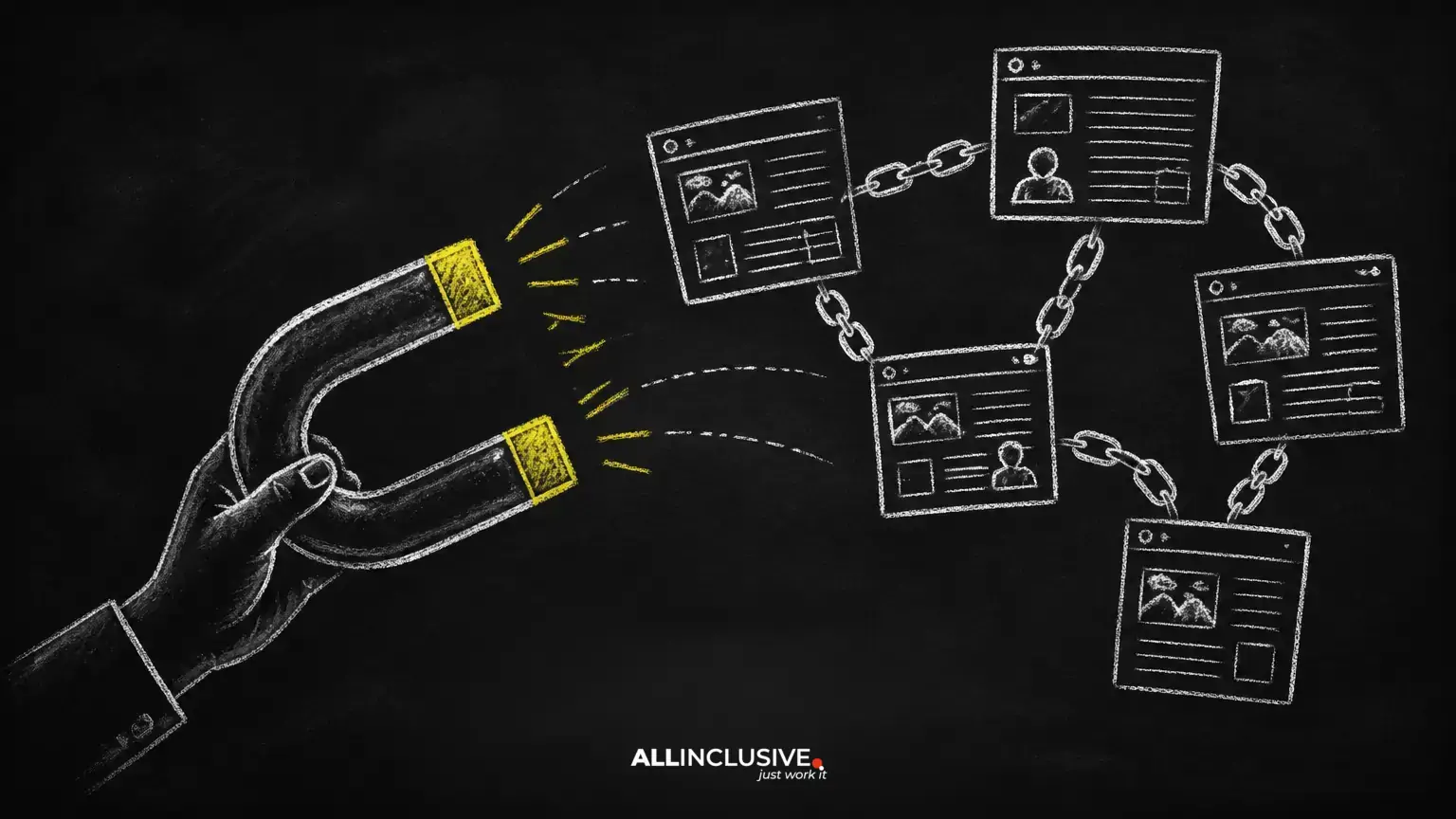
Digital PR is a link-building approach built around earning attention from journalists, editors, publishers, and industry communities. Instead of asking for a link to an ordinary page, you create a useful story, insight, resource, or data presentation that a publication may choose to reference because it improves the reader’s experience.
The distinction matters. A successful campaign is not simply a distribution exercise or a list of media contacts. It combines a credible idea, evidence that can withstand scrutiny, an audience-relevant angle, and outreach that respects editorial judgment.
This guide explains how digital PR can support an ethical link-building strategy, how to choose a campaign format, and how to evaluate results without relying on inflated promises.
What digital PR means in an SEO context
Digital PR applies public-relations thinking to online publishing. A business develops a story or resource, identifies publications and writers whose audiences may care about it, and offers the material as a potential source for coverage.
The resulting link is editorially earned. The publisher decides whether the source is relevant, credible, and useful. That is different from placing links through paid articles, low-quality directories, private networks, or content created primarily to manipulate rankings.
Digital PR can include:
- Original research based on transparent, permissioned first-party data.
- Expert commentary that adds specific knowledge to a current or recurring topic.
- Useful visualizations, calculators, tools, or explainers.
- Survey-led stories with clearly documented methodology.
- Creative campaigns that connect a brand’s expertise to a recognizable audience concern.
- Product or service stories with a genuine consumer, industry, or public-interest angle.
Not every campaign will earn a link, and no publisher is obligated to include one. The goal is to produce something worth citing, not to disguise a link request as news.
Why digital PR can strengthen link building
It starts with editorial value
Many outreach tactics begin with a target URL and work backward. Digital PR begins with a question: what would make this publication’s audience better informed? The answer might be a new finding, a specialist explanation, a local angle, or a resource that helps readers act.
When a publisher references the work because it adds value, the link has a stronger reason to exist than a purely transactional placement.
It can earn attention as well as referral traffic
Coverage may introduce a business to people who have never encountered it through search. A relevant mention can support brand familiarity, direct visits, journalist relationships, and future opportunities. Results vary widely by topic, publication, timing, and audience, so these outcomes should be measured rather than assumed.
It can support authority through demonstrated expertise
Expert commentary and well-supported research can show how a business understands its field. This is not a substitute for accurate information, strong service pages, or a sound technical foundation. It is one way to make expertise visible outside the company’s own website.
Choose a campaign format that fits your evidence
The best format depends on what you can substantiate and what your audience wants to know. Avoid choosing a format because it is fashionable or because another brand received coverage with it.
Original research
Research can be compelling when the question is specific and the methodology is clear. Before publishing, document the sample, collection method, dates, limitations, definitions, and any relevant demographic or geographic boundaries. Do not present a small or nonrepresentative sample as if it describes an entire population.
If the work uses customer or employee data, confirm that collection and publication are lawful and that personal information is protected. Where analysis depends on an external dataset, identify the dataset accurately and preserve its definitions.
Expert commentary
A knowledgeable subject-matter expert can provide a useful response to a recurring question or developing story. Strong commentary explains why something matters, identifies practical implications, and acknowledges uncertainty. Generic statements that merely repeat the headline are unlikely to help a journalist or reader.
Tools and reference resources
A calculator, checklist, template, glossary, or visual explainer can earn references when it solves a real problem. Test the resource with the intended audience, explain its assumptions, and keep it accessible. A polished design cannot compensate for unreliable outputs or unclear instructions.
Creative concepts
Creative campaigns can attract attention without relying on proprietary research, but they still need a clear connection to the audience and the brand’s legitimate expertise. Be cautious with stunts, sensitive subjects, and visual claims. A campaign that creates confusion or reputational risk is not a successful SEO investment.
Build a digital PR campaign step by step
- Define the business and audience objective. Decide whether the campaign is intended to earn relevant references, introduce expertise, support a product launch, reach a particular community, or generate qualified referral visits. A single campaign may have several goals, but rank them.
- Find a defensible story. Look for a meaningful tension, useful comparison, overlooked question, or original explanation. Ask whether the idea remains useful if the company name is removed. If not, it may be advertising rather than editorial content.
- Validate the evidence. Check calculations, sources, permissions, claims, dates, and wording. Have a qualified reviewer challenge the conclusions. Separate observed facts from interpretation and prediction.
- Create the linkable destination. Publish the full methodology, supporting detail, definitions, and practical context on a stable page. Make it easy for readers and journalists to understand what the work shows and what it does not show.
- Map the relevant media landscape. Identify publications, newsletters, trade sites, local outlets, and specialist writers that have covered comparable topics. Relevance is more important than a large contact list. Review recent articles before pitching.
- Prepare a concise pitch. Explain the news angle in the subject line or opening, summarize the evidence, state why it matters to that audience, and offer the relevant asset. Avoid exaggerated claims and unnecessary attachments.
- Follow up with restraint. A brief follow-up can clarify a detail or provide a timely update. Repeated messages, bulk blasts, and irrelevant pitches damage relationships. Respect opt-outs and publication preferences.
- Support accurate coverage. Respond promptly to reasonable questions, provide original files or methodology when appropriate, and correct material errors. Do not pressure a publisher to include a link or dictate editorial conclusions.
How to write a stronger media pitch
A useful pitch is specific enough to show relevance and short enough to review quickly. Include:
- A subject line connected to the publication’s beat.
- One sentence explaining the story or finding.
- The evidence behind the claim and a link to the full resource.
- Why the information matters to the publication’s readers now or in an ongoing context.
- The name, role, and availability of any expert spokesperson.
- Important caveats, limitations, or methodology notes.
Personalization should reflect genuine familiarity with the writer’s work, not token use of a first name. Do not pitch every reporter who covers a broad category. A specialist writer may value a narrower angle that a general news editor would ignore.
Digital PR for B2B and less visual industries
Digital PR is not limited to consumer brands or entertainment topics. B2B companies can develop campaigns around operational benchmarks, buyer questions, specialist commentary, industry research, or practical tools. The story may be narrower, but a focused trade publication can be more valuable than broad, untargeted exposure.
For regulated or technical subjects, involve legal, compliance, scientific, or technical reviewers before publication. Avoid turning a complex conclusion into an absolute claim merely to make the headline more attractive. Accuracy is part of the campaign asset.
Measure outcomes beyond the number of links
Track results in groups so that a campaign is judged fairly:
- Coverage: relevant publications, accurate mentions, publication type, and the context of each reference.
- Links: linking pages, destination URLs, link attributes, anchor context, and whether the link is likely to be useful to readers.
- Audience response: referral sessions, engaged visits, assisted conversions, newsletter sign-ups, or other agreed actions.
- Brand impact: relevant searches, direct conversations, invitations, or other observable signals, interpreted carefully.
- Operational learning: angles, formats, audiences, and processes that should be repeated or retired.
Do not treat a high-authority metric from a third-party tool as proof of business value. Compare outcomes with the campaign objective and record the quality of coverage, not just its quantity. Search visibility changes also have many possible causes, so avoid claiming that one campaign alone produced a ranking or revenue result without appropriate evidence.
Common digital PR mistakes
- Starting with a link quota: quotas encourage weak ideas and indiscriminate outreach.
- Using questionable data: unclear samples, missing sources, and unsupported conclusions undermine trust.
- Pitching everyone: irrelevant outreach lowers response rates and can harm sender reputation.
- Confusing a mention with a guaranteed link: editorial decisions belong to the publisher.
- Overusing promotional language: readers need a story or useful explanation, not a sales page in disguise.
- Ignoring the destination experience: a slow, confusing, inaccessible, or thin page gives publishers little reason to reference it.
- Failing to update or correct the asset: outdated claims can create avoidable reputational and editorial problems.
How digital PR fits into a broader SEO plan
Digital PR works best alongside useful content, sound site architecture, technical maintenance, and a clear conversion path. A campaign may earn attention, but visitors still need a relevant page that answers their questions. Review the site’s important pages before outreach so that the experience after the click matches the promise of the story.
For a broader view of how link acquisition fits within organic growth, explore SEO services and the related link-building resources.
Conclusion
Digital PR is a disciplined way to earn editorial attention by publishing information that deserves to be referenced. Start with a defensible idea, match it to a real audience, verify every important claim, and pitch only relevant publications. Evaluate coverage, referral behavior, business outcomes, and lessons learned—not just the raw number of links. Used this way, digital PR supports link building without reducing the work to a volume-based placement exercise.