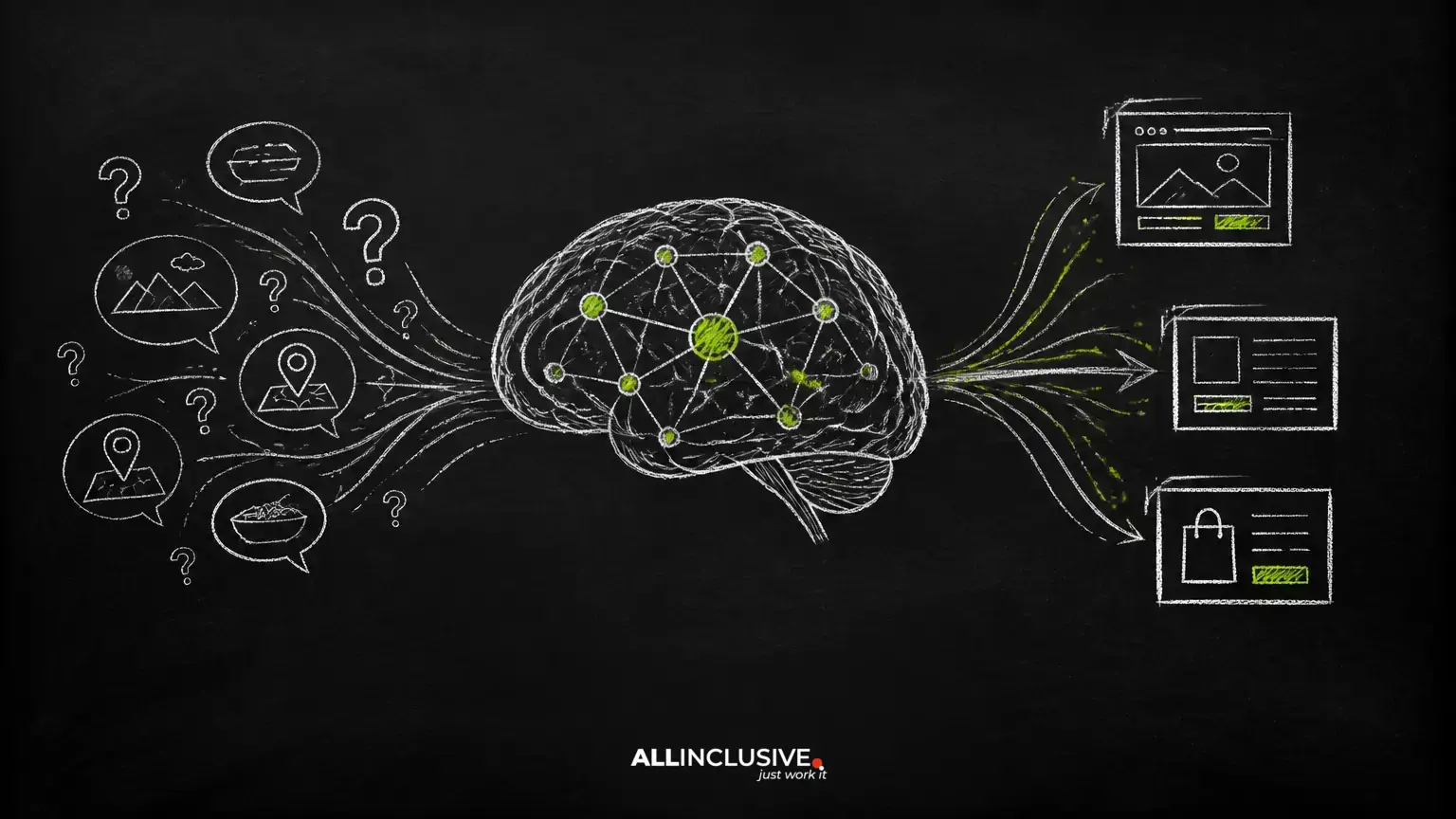
Google RankBrain is a machine-learning system used as part of Google Search. In simple terms, it helps Google interpret queries and connect them with results that are likely to satisfy the searcher. RankBrain is not a keyword-placement formula that website owners can optimize for directly. It is better understood as part of Google’s broader effort to understand language, context, and intent.
That distinction matters. A page does not become more useful because it repeats a phrase a certain number of times. It becomes more competitive when it clearly addresses the problem behind the query, provides trustworthy information, and gives visitors a usable experience.
What is Google RankBrain?
RankBrain is a machine-learning component of Google’s search systems. Machine learning allows software to identify patterns in data and improve how it handles situations that were not individually programmed in advance. In Search, that capability can help Google interpret unfamiliar, ambiguous, or conversational queries and determine which results are relevant.
Google’s search systems include many components, and RankBrain should not be treated as a standalone score or a separate checklist. Website owners cannot view a RankBrain report in Search Console, turn it on for a page, or identify a guaranteed optimization tactic for it. The practical SEO objective is to make a page’s purpose and value clear to both users and search systems.
How RankBrain relates to search intent
Search intent is the likely goal behind a query. Someone searching for “RankBrain definition” probably wants an explanation. Someone searching for “technical SEO audit checklist” likely wants a process or downloadable resource. Someone searching for a local service may be comparing providers or looking for a way to contact a business.
Words alone do not always reveal intent perfectly. A query may be short, misspelled, conversational, or open to multiple interpretations. Systems such as RankBrain help Google connect the query with patterns in language and with results that have historically or contextually proved relevant.
For content teams, this creates a useful workflow:
- Identify the primary question. Write down what the searcher needs to know or do.
- Clarify the page’s job. Decide whether the page should explain, compare, guide, reassure, or support a transaction.
- Cover necessary context. Answer closely related questions when doing so improves understanding rather than adding padding.
- Make the next step obvious. A useful page can guide readers to a related resource, product, service, or contact option without distracting from the main answer.
Does RankBrain rank pages based on user behavior?
RankBrain is often described too simply as a system that watches clicks and automatically promotes pages with the highest engagement. That interpretation is unreliable. Search results are influenced by many systems and signals, and user behavior can be affected by position, query wording, device, location, and the type of result shown.
Website owners should therefore avoid trying to manipulate presumed RankBrain metrics. A high click-through rate does not compensate for a page that fails to answer the query, and a long visit is not proof that content is accurate. Focus on satisfying the visitor’s task: use a clear title, deliver the answer early, organize the details logically, and avoid misleading promises.
What RankBrain means for SEO strategy
Create content for topics, not isolated keyword repetitions
Use the language your audience uses, but do not build a page around repeating exact-match phrases. Explain the subject naturally, define important terms, and include the distinctions a knowledgeable reader would expect. A page about RankBrain, for example, should distinguish machine learning from a single ranking factor, explain search intent, and address common misconceptions.
Match the format to the task
A definition query usually benefits from a concise explanation followed by examples and caveats. A comparison query may need a table. A procedural query may need numbered steps. A commercial query may need service details, evidence, costs or considerations where available, and a clear path to evaluation. Format is not a shortcut to rankings, but it can make an answer easier to understand and use.
Improve clarity and completeness
Strong content is specific about what it knows and careful about what it cannot establish. Use descriptive headings, short paragraphs, meaningful examples, and plain language. Define technical terms on first use. If a claim depends on changing Google documentation or an evolving search feature, verify it before publication and review it periodically.
Support discoverability with sound site structure
Internal links help users and crawlers discover related resources. Link from a relevant explanation to a deeper guide, a service page, or a next-step resource using descriptive anchor text. Keep the relationship meaningful; adding links solely to increase link counts does not improve an article’s usefulness.
For a broader framework covering technical foundations, content, and sustainable search growth, see Allinclusive SEO services. Readers evaluating how search visibility fits into a broader digital plan may also find the digital marketing services overview useful.
Common RankBrain misconceptions
“RankBrain is a keyword density formula.”
There is no dependable target percentage for repeating a keyword. Repetition can make writing awkward and may obscure the actual answer. Use terminology naturally and cover the subject accurately.
“Longer pages always perform better.”
Length should follow the information need. A concise answer can be more useful than an inflated article, while a complex topic may require definitions, examples, limitations, and implementation guidance. The goal is sufficient coverage, not a word-count contest.
“RankBrain can be optimized separately from everything else.”
There is no public RankBrain control panel or isolated optimization checklist. Improvements that help users understand and complete their task—clear information architecture, relevant content, accessible presentation, and reliable technical delivery—are more durable than tactics based on speculation.
“A sudden ranking change proves RankBrain caused it.”
Rankings can change for many reasons, including algorithm updates, competition, indexing changes, technical problems, seasonality, demand shifts, and changes in the search results page. Avoid assigning a cause without evidence. Review analytics, Search Console data, crawlability, page changes, and query-level patterns before drawing conclusions.
A practical RankBrain-aware content checklist
- Can a reader understand the page’s main answer within the opening section?
- Does the content address the underlying intent rather than only echoing the query?
- Are definitions, examples, and limitations included where they are necessary?
- Is the title accurate and specific without promising more than the page delivers?
- Does the page provide a readable experience on mobile and desktop?
- Are internal links relevant and useful to the next question a reader may have?
- Have time-sensitive claims been checked against current authoritative documentation?
- Do measurement and revision plans focus on qualified outcomes, not vanity metrics alone?
Conclusion
Google RankBrain is best understood as part of Google’s machine-learning approach to interpreting queries and returning relevant results. It does not create a magic ranking recipe, and it is not a substitute for sound SEO fundamentals. Build pages around genuine search intent, explain topics clearly, maintain a technically accessible site, and improve content when evidence shows that users are not finding what they need. That approach remains useful even as individual search systems evolve.