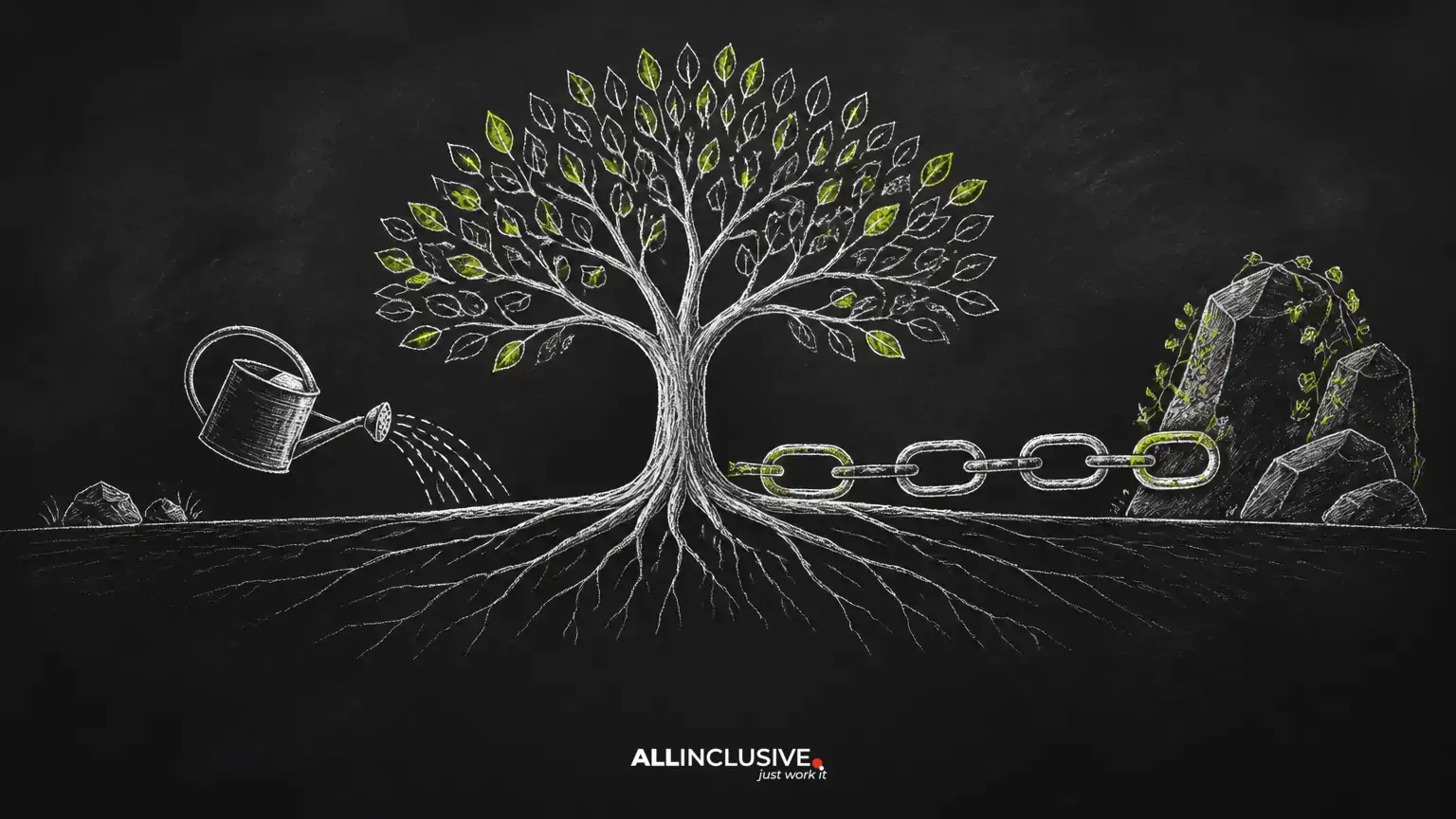
An SEO campaign is a planned series of improvements designed to help the right pages reach the right searchers and support a business goal. Depending on the site, that may mean improving visibility for existing services, creating content for unmet demand, earning relevant links, or removing technical barriers that prevent important pages from being understood.
The most effective campaigns are not built around rankings alone. They connect search intent to useful experiences, qualified traffic, conversions, and evidence that helps the team decide what to do next. This guide explains how to create an SEO campaign with a clear scope, sensible priorities, and an approach that can be refined over time.
What an SEO campaign should accomplish
Before choosing keywords or publishing content, define the outcome. A campaign might aim to increase qualified leads, make a local service easier to discover, grow visibility for a product category, or strengthen an information hub that supports several commercial pages.
Write the objective in a way that can be evaluated. For example, “improve organic performance” is too broad to guide decisions. “Increase qualified enquiries from the service section by improving the pages that match high-intent searches” gives the campaign a direction while leaving room to select the right tactics.
Set a realistic measurement window and document what may affect results. Search performance can change because of seasonality, website releases, competitors, changes in search results, or tracking issues. SEO is cumulative, so early work may improve the site’s foundation before visible business results appear.
Step 1: Establish a reliable baseline
A baseline prevents the campaign from becoming a collection of opinions. Record the pages, queries, traffic sources, conversions, and technical conditions that matter to the objective. Where data is available, compare recent performance with an earlier period, while noting seasonal differences and major site changes.
Review the site from several perspectives:
- Business: Which services, products, locations, or topics are commercially important?
- Search: Which pages already receive impressions, clicks, or qualified visits?
- User experience: Can visitors understand the offer and take the next step easily?
- Technical: Can search engines access, interpret, and index the pages that should be visible?
- Authority: Do relevant, trustworthy websites cite or reference the site’s useful resources?
Separate confirmed problems from hypotheses. A low-converting page may need better intent alignment, a clearer offer, stronger proof, improved usability, or a different traffic source. Avoid treating one metric as a diagnosis.
Step 2: Map search intent to the right pages
Keyword research is most useful when it supports a page plan. Group related queries by the problem a searcher is trying to solve, then decide whether an existing page can satisfy that need or whether a new resource is justified.
Consider the likely intent behind each group:
- Informational: The searcher wants an explanation, process, comparison, or answer.
- Commercial investigation: The searcher is evaluating options, providers, features, or approaches.
- Transactional: The searcher is ready to request, purchase, book, or begin an action.
- Navigational: The searcher is looking for a known organisation, page, or resource.
Do not create several pages that target essentially the same need simply to cover minor wording variations. That can make the site harder to maintain and may leave pages competing with one another. Consolidate overlapping material when one stronger page can serve the audience better.
Create a simple content map with the primary topic, supporting questions, intended audience, target page, funnel role, and next action. This map becomes a practical bridge between research, writing, internal linking, and reporting.
Step 3: Fix the highest-impact technical and structural issues
Technical SEO should help important content be discovered, interpreted, and used. Start with issues that affect valuable pages rather than attempting to repair every warning in a tool.
Review indexability, crawl paths, redirects, canonical signals, duplicate or thin pages, internal links, mobile usability, structured page elements, and performance. Also check whether titles, headings, and descriptions accurately represent the page. A technically clean page can still underperform if it does not answer the searcher’s question or make the next action clear.
Prioritise issues using three questions:
- Does the issue affect an important page or a large section of the site?
- Could fixing it improve access, understanding, usability, or conversion?
- Can the team implement and verify the change reliably?
Record the recommended change, owner, expected effect, implementation date, and validation method. This turns an audit into an accountable work plan.
Step 4: Improve or create genuinely useful content
Content should be built around the visitor’s task, not a target phrase inserted into predetermined sections. Review the strongest available results for the topic to understand the common questions and formats, but do not copy their structure or assume that length is a quality signal.
A useful page generally does the following:
- States what the page covers and who it helps.
- Answers the central question early.
- Explains important concepts in plain language.
- Uses examples, steps, comparisons, or checklists where they clarify the topic.
- Shows appropriate evidence, experience, limitations, or review information.
- Offers a relevant next action without forcing a sales message.
For existing pages, compare the promise in the search result with the experience after the click. Update outdated claims, remove repetition, repair broken references, improve headings, and add missing context. For new pages, define the audience and purpose before drafting. Content should be accurate and appropriately reviewed, especially when it could affect health, finances, safety, legal decisions, or other high-consequence choices.
Step 5: Build an intentional internal-linking system
Internal links help people move from broad explanations to detailed resources and commercial pages. They also provide context about how topics relate across the site. Link where the destination is genuinely useful, using descriptive anchor text that makes sense in the sentence.
A practical structure may connect a broad guide to supporting articles, then to a relevant service or product page. Review important pages for orphaned content, excessive navigation links, vague anchors, and links that lead to outdated or irrelevant destinations. Internal links should support the visitor’s next question rather than exist only as an SEO signal.
For broader guidance, see the Allinclusive link-building pillar. Readers evaluating broader organic search support can also review SEO services from Allinclusive.
Step 6: Earn relevant external links and mentions
External links are most valuable when they arise because a resource is useful, credible, original, or particularly relevant to another publisher’s audience. Link building should therefore begin with something worth referencing and a reason for outreach.
Potentially sound approaches include creating original research when the data can be collected responsibly, publishing a clear resource that fills a documented information gap, contributing expert commentary where appropriate, reclaiming unlinked legitimate mentions, and correcting broken references when your replacement genuinely helps readers.
Evaluate opportunities by relevance, editorial quality, audience fit, and the likelihood that the placement provides real value. Avoid bulk link schemes, paid placements disguised as editorial recommendations, automated outreach, and exchanges created primarily to manipulate rankings. A smaller number of contextually appropriate references is generally more useful than a large list of questionable placements.
Step 7: Promote the work to people who may benefit
Publishing does not guarantee discovery. Share useful resources with existing audiences, relevant communities, partners, journalists, professional groups, or publishers when the material fits their needs. Promotion should be specific: explain why the resource is relevant rather than sending identical messages to a large list.
Distribution can also reveal how people understand the topic. Questions, objections, and language from real conversations can inform future revisions and content briefs. Social activity may help people discover a resource, but do not assume that sharing alone produces search visibility or rankings.
Step 8: Measure outcomes and learn from the evidence
Use a balanced set of measures. Visibility metrics can show whether pages are being discovered; engagement metrics can indicate whether the result and page meet expectations; business metrics show whether the work is contributing to the organisation’s objective.
- Impressions and clicks for priority page groups.
- Queries and landing pages associated with qualified visits.
- Organic conversions or assisted actions, with tracking definitions documented.
- Technical issues resolved and important pages successfully accessible.
- Relevant referring domains or editorial mentions, assessed for quality rather than volume alone.
- Content engagement signals interpreted in context, not as automatic proof of quality.
Compare like with like and annotate major changes. A ranking movement without qualified traffic may not be meaningful, while a modest visibility improvement on a high-intent page may be valuable. Review results on a planned cadence, then decide whether to expand, revise, consolidate, or stop each workstream.
Common SEO campaign mistakes to avoid
- Starting with tactics instead of a goal: A list of keywords or links is not a strategy.
- Chasing every technical warning: Prioritise issues that affect important pages and users.
- Publishing near-duplicate pages: Consolidate overlapping intent when one resource can serve it better.
- Optimising for phrases rather than people: Natural language and complete answers matter more than repetition.
- Measuring rankings in isolation: Connect visibility to qualified actions and business context.
- Expecting immediate certainty: Allow time for implementation, discovery, and meaningful comparison.
A practical campaign checklist
- Define the business objective and decision-makers.
- Document the baseline and tracking limitations.
- Map important search intents to existing or planned pages.
- Prioritise technical, content, internal-linking, and authority work by impact and effort.
- Assign owners, deadlines, and validation steps.
- Publish or update content that solves a defined user problem.
- Promote genuinely useful resources to relevant audiences.
- Review results, record what changed, and adjust the next cycle.
Conclusion
An SEO campaign works best as a connected operating process: understand the audience, improve the site’s foundation, create useful pages, connect them clearly, earn attention responsibly, and measure outcomes with appropriate context. The goal is not to perform isolated optimisation tasks. It is to make the site more useful and discoverable for the searches that matter, then use evidence to improve the next round of work.