Packaging design cost is shaped by scope, structural complexity, number of formats, production requirements and the level of strategic work behind the design. A simple label refresh may require a focused visual update, while a launch-ready system can include category research, positioning, multiple concepts, structural constraints, 3D renders, sustainability considerations, prepress and vendor-ready files.
The most useful way to evaluate a quote is not to compare one total against another. Compare what each proposal includes, what it excludes and which risks it helps resolve. For a broader view of how packaging fits into a company’s visual system, see the packaging design overview.
What packaging design cost usually covers
Packaging projects commonly combine several workstreams. The same project may include some or all of the following:
- Strategy and research: category conventions, competitors, audience, shelf context, channel requirements and product positioning.
- Architecture and hierarchy: decisions about product naming, variants, claims, flavor or color coding, information order and portfolio consistency.
- Creative concepts: visual routes that explore typography, imagery, color, materials and the relationship between the brand and the package.
- Structural design: format selection, package dimensions, opening behavior, panel planning and collaboration with structural specialists or manufacturers.
- Production artwork: dieline application, print specifications, color builds, regulatory panels, barcodes, finishes and file preparation.
- Visualization: 3D renders or mockups used for internal alignment, sales materials, testing or launch planning.
- Rollout: adaptation across sizes, flavors, SKUs, channels, languages or packaging components.
A low initial quote may cover only a front-panel concept. A higher quote may include the less visible work required to make the design accurate, scalable and usable by a printer or packaging vendor.
The main factors that change a packaging design estimate
1. Number of packaging components and formats
A single carton, pouch or label is generally more contained than a system covering a primary package, secondary carton, shipper, insert and display. Every additional component introduces new dimensions, panels, constraints and production files.
SKU count also matters. Designing one master package and adapting it to a controlled range of variants is different from creating independent designs for every product. Before requesting estimates, list the components and formats required for launch, including planned near-term extensions.
2. Structural complexity and dielines
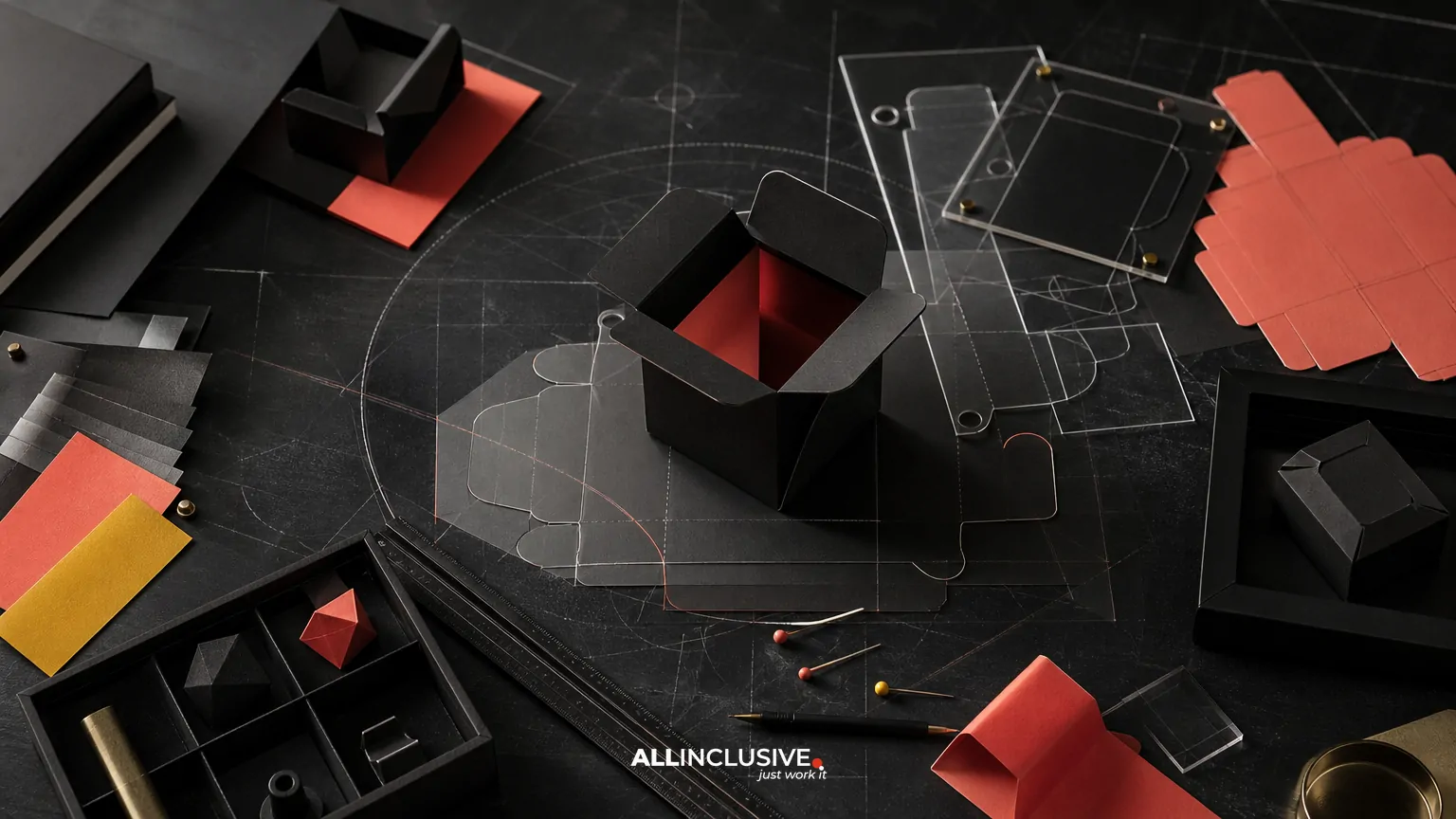
A dieline is the technical template that defines cuts, folds, bleeds and safe areas for a package. Working from an approved dieline is usually more predictable than developing or revising the structure itself.
Unusual folds, closures, windows, sleeves, rigid boxes, labels on irregular containers and multi-part assemblies can increase coordination and testing needs. Structural decisions should be established early because they influence panel proportions, hierarchy, artwork placement and production feasibility.
3. Strategic depth and category research
Some businesses need a visual refresh within an established position. Others need to determine how a new product should compete, communicate value and stand apart in a crowded category. The latter requires more discovery before visual execution begins.
Useful strategic questions include:
- What must shoppers understand within a few seconds?
- Which brand assets need to remain recognizable?
- What category codes help consumers navigate the shelf?
- Where can the package challenge conventions without becoming confusing?
- Which claims, certifications or product facts require prominent treatment?
- How will the design work in ecommerce thumbnails as well as physical retail?
Research does not guarantee a successful package, but skipping it can lead to expensive revisions or a design that looks attractive in isolation and weak in context.
4. Number of concepts and revision rounds
Concept development is not simply a choice between a few images. Each route may represent a different positioning, hierarchy and system of visual decisions. More routes can be useful when the strategic direction is unresolved, but excessive options may slow alignment.
Ask how many distinct concepts are included, how feedback is consolidated and how many revision rounds are allowed. A clear approval process is often more valuable than an unlimited revision promise.
5. Sustainability and material decisions
Sustainability requirements can affect both design and production. Substrate availability, coatings, inks, recyclability, material reduction, component separation and supply-chain constraints may influence what is feasible.
Designers should not make unsupported environmental claims. If sustainability is part of the brief, define the required evidence, the responsible reviewer and the point at which material or regulatory input will be confirmed.
6. Prepress and vendor coordination
Production-ready artwork requires more than exporting a PDF. Depending on the package, the scope may include spot colors, trapping, overprint settings, linked assets, image resolution, barcode placement, varnishes, foils, embossing, white ink, proof review and version control.
Clarify whether the designer is expected to communicate directly with the printer, packaging converter or manufacturer. Vendor coordination can reduce avoidable errors, but it should be named in the scope rather than assumed.
Typical packaging project scopes to compare
| Scope | Usually includes | Key trade-off |
|---|---|---|
| Focused packaging refresh | Existing structure, one format, visual refinement, limited production updates | Efficient, but may not resolve deeper positioning or system issues |
| New package design | Discovery, concepts, selected route, package artwork, mockups and production preparation | More strategic value, with greater coordination and decision-making |
| Packaging system or portfolio | Architecture, master design, variant logic, multiple formats and rollout rules | Higher initial effort can improve consistency and future scalability |
| Complex structural package | Structural collaboration, specialized components, prototypes, finishes and vendor reviews | More technical risk and dependencies, but greater physical differentiation |
These categories are useful for comparing scope, not for assigning a universal market price. The same label of “new package design” can describe very different deliverables.
How to request a useful packaging design quote
A strong brief helps a designer identify risk before pricing the work. Include:
- Product description, audience, market and launch objective.
- Existing brand assets, guidelines and mandatory elements.
- All package components, dimensions and known dielines.
- SKU, flavor, size, language and channel requirements.
- Regulatory, legal, nutritional or certification content.
- Printer, converter or manufacturer information, if selected.
- Required finishes, materials, sustainability goals and technical constraints.
- Expected deliverables, decision-makers, milestones and launch date.
- Examples of relevant category references, including what should not be copied.
If the structure or manufacturing route is not finalized, state that clearly. A quote based on assumptions should identify those assumptions and explain how changes will be handled.
Questions to ask before approving a proposal
- Does the fee include strategy and category research, or only visual execution?
- How many packaging components, sizes and variants are included?
- Are dielines supplied, created, or reviewed?
- Are 3D renders for presentation only, or are they based on production-accurate dimensions?
- How are regulatory and mandatory information changes handled?
- What prepress checks are included?
- Who communicates with the printer or converter?
- Are physical mockups, prototypes or press checks included?
- What files will be delivered, and who owns the final production artwork?
- What happens if the selected structure, material or SKU count changes?
These questions turn a broad creative estimate into a practical production plan. They also make proposals easier to compare without treating the lowest total as the lowest risk.
Common ways packaging budgets expand
Late structural changes
Changing the package shape or panel layout after the visual system is approved can require new hierarchy decisions, artwork adaptation and additional reviews.
Unplanned SKU expansion
A design approved for one product may need a complete color, naming and information system when the line grows. Estimate the master system and rollout separately when the future range is uncertain.
Incomplete content
Missing claims, translations, ingredients, barcodes or legal copy can cause artwork rounds to reopen. Establish content ownership and a final copy deadline.
Unclear approval authority
Conflicting feedback from founders, marketing, sales, retail partners and production teams can create avoidable revisions. Name one project owner and define how feedback is consolidated.
Production requirements discovered too late
Foil, varnish, white ink, minimum type sizes, color limitations and substrate behavior should be considered before final artwork, not after it reaches the printer.
Packaging design cost versus packaging value
Cost should be evaluated against the decisions the project must support. A package may need to communicate a premium price, simplify variant navigation, establish a new product category, work across retail and ecommerce, or reduce production confusion across a portfolio.
That does not mean every project needs the largest possible scope. A focused refresh may be the right choice when positioning, structure and content are already stable. A more comprehensive engagement is warranted when the package is carrying unresolved brand, category or production problems.
Packaging also sits within a wider identity system. If the current brand lacks consistent visual principles, packaging decisions may expose issues that are better addressed through brand identity work. For related collateral, campaign assets and print applications, the broader graphic design context may help define what should remain consistent.
A practical packaging cost checklist
- Objective: Is this a refresh, launch, repositioning or portfolio system?
- Structure: Are dimensions and dielines approved?
- Range: How many components, SKUs, sizes and languages are included?
- Content: Who supplies and approves mandatory copy?
- Production: Which printer or converter requirements are known?
- Testing: Are prototypes, physical proofs or shelf reviews needed?
- Deliverables: Are editable files, press-ready artwork, renders and usage guidance specified?
- Governance: Who approves the work, and how will changes be documented?
- Future use: Can the system extend to new products and channels?
For a deeper look at sequencing and approvals, compare this article with the packaging design process guide. If the project is replacing an existing package, the discussion of packaging redesign can help separate improvement opportunities from unnecessary change.
Final takeaway
Packaging design cost is best understood as the price of a defined set of decisions and deliverables—not simply the price of a front-panel graphic. Scope the strategy, structures, variants, production requirements and approvals before comparing estimates. When you are ready to define the appropriate level of packaging support, use the packaging design page as the next commercial step, and review the wider design services context only when the project spans multiple design disciplines.