Organic traffic growth is usually the result of many well-prioritized improvements rather than one isolated trick. A site may need better content, clearer internal linking, stronger technical foundations, or more useful answers to the questions customers ask before they buy.
The most effective SEO techniques are also practical: they help you identify opportunities, improve existing assets, and create a better experience for searchers. Use the framework below to decide what deserves attention first, then measure whether the work produces qualified visits and meaningful business outcomes.
1. Start with a page-level opportunity audit
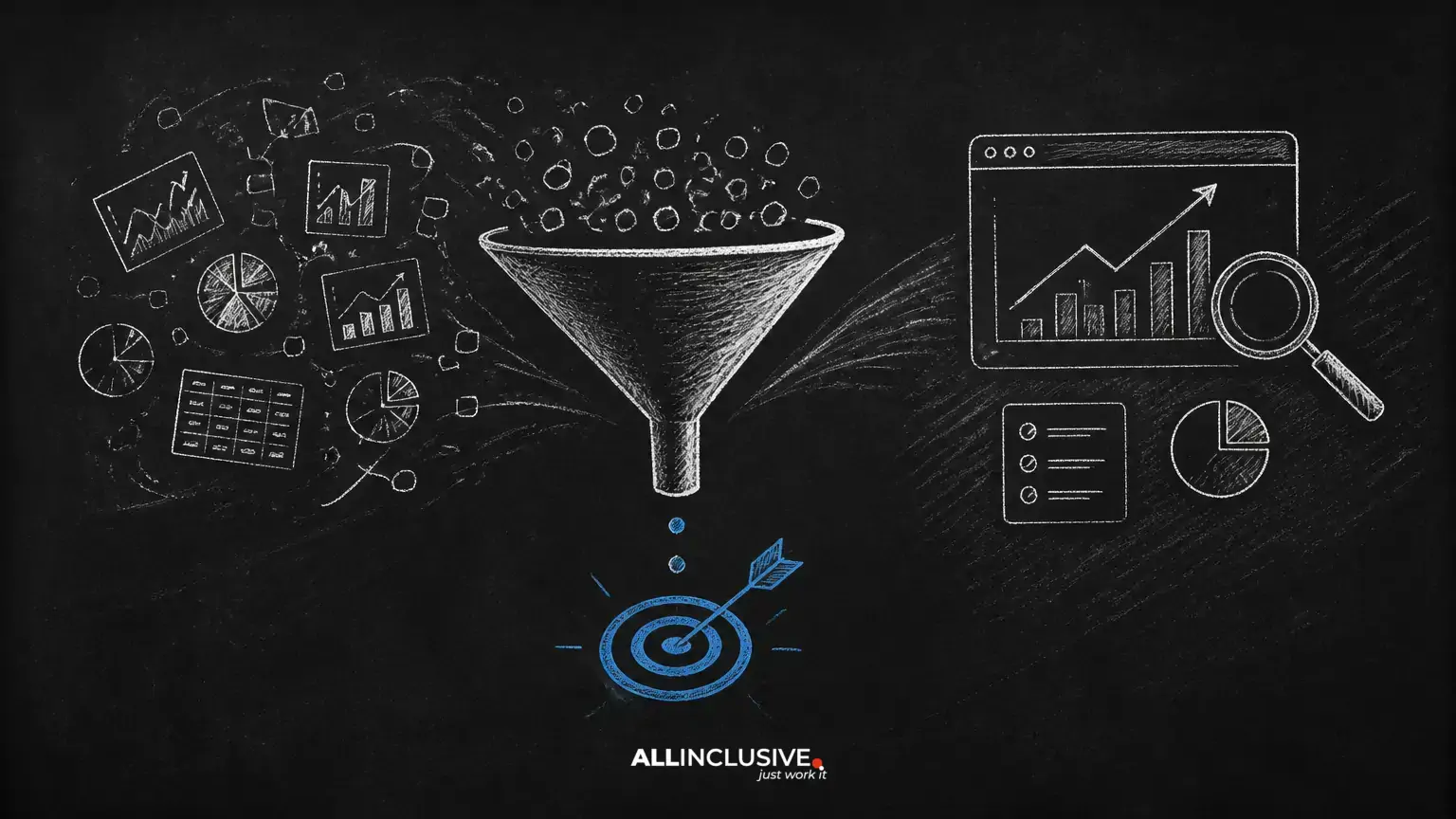
Keyword lists are useful, but pages provide better context. Review your own site and competing sites to identify pages that attract visibility, links, engagement, or conversions. Look for patterns such as:
- Topics competitors cover that your site does not address.
- Pages receiving impressions but few clicks.
- Older content that is still relevant but incomplete.
- Pages with strong backlinks but weak internal connections.
- Important services or products that are difficult to discover.
Prioritize opportunities based on relevance, business value, effort, and evidence of demand. Competitor research should generate hypotheses, not encourage copying. Your page still needs an original angle, accurate information, and a better response to the user’s need.
2. Build a content gap around customer questions
A content gap is more than a list of keywords your competitors rank for. It is a missing answer in the customer journey. Organize opportunities by the questions people ask before, during, and after choosing a solution.
For each proposed page, document the intended audience, search intent, primary question, supporting questions, recommended format, and next step. This prevents a common problem: publishing several pages that target nearly the same intent and compete with one another.
Prioritize topics where your organization can provide first-hand expertise, clear examples, useful comparisons, or practical instructions. Search demand can inform the plan, but usefulness and relevance should determine what gets published.
3. Improve existing pages before creating more
Refreshing an existing page can be more efficient than starting from a blank document, especially when the page already has relevant visibility or links. Begin by checking whether the page still matches the search intent and the promise made in its title.
Useful updates may include clarifying the answer near the top, removing outdated sections, adding examples, improving headings, resolving unanswered questions, strengthening calls to action, and linking to related resources. Do not change a page merely to make it longer. Every addition should improve accuracy, comprehension, or decision-making.
4. Match page structure to search intent
Search intent describes what a person is trying to accomplish. A user seeking a definition may need a concise explanation and examples. Someone comparing options may need a table, trade-offs, and buying considerations. A person ready to act may need service details, requirements, pricing context, or a clear contact path.
Examine the types of pages that satisfy the query, then create a more useful version without treating the current results as a script. A strong page answers the main question directly, supports the answer with evidence or reasoning, and makes the next step obvious.
5. Write titles and descriptions for qualified clicks
Title tags and meta descriptions should accurately describe the page and set an appropriate expectation. Include the subject naturally, distinguish the page from nearby results, and emphasize a specific benefit when one exists.
A compelling snippet is not a promise to make the page rank or a reason to use exaggerated language. It is an invitation to the right audience. Review click performance alongside impressions and conversions; a higher click-through rate is not useful if it attracts visitors who cannot be served by the page.
6. Use internal links to clarify priority and relationships
Internal links help people navigate and help search systems understand how pages relate to one another. Link from relevant, established pages to important destinations using concise anchor text that describes the destination.
Audit links in both directions. A cornerstone page should be supported by related pages, while those supporting pages should link back when the relationship is genuinely useful. Avoid repeating the same exact anchor text everywhere or adding links that interrupt the reader.
For a broader view of earning and evaluating external authority, see the Allinclusive link building guide. For help connecting content, technical work, and measurement into one plan, review SEO services from Allinclusive.
7. Create link-worthy resources
Links are more likely when a page gives another publisher a reason to cite it. Useful linkable assets can include original research, transparent methodologies, calculators, detailed guides, templates, visual explanations, or expert commentary supported by verifiable information.
Promotion matters, but outreach should be selective and relevant. Contact publishers whose audiences would genuinely benefit from the resource, explain why it fits, and avoid mass messages that treat every website as interchangeable. Never make a link the only measure of success: referral traffic, brand discovery, relationships, and assisted conversions may also matter.
8. Handle broken links and unlinked mentions responsibly
Broken-link outreach works best when you have a genuinely suitable replacement. Find relevant pages in your industry that point to unavailable resources, create or identify a page that fulfills the same need, and send a brief, helpful notification.
Unlinked brand mentions can be reviewed in a similar way. If a publication has mentioned the organization and a link would help readers verify or explore the reference, make a polite request. Editors are not obligated to add a link, so the request should be useful rather than entitled.
9. Strengthen technical accessibility
Technical SEO supports discovery, rendering, and usability. Review whether important pages can be crawled and indexed, whether canonical signals are consistent, whether redirects work as intended, and whether the site exposes duplicate or low-value URL variations.
Also check mobile usability, HTTPS, navigation, image handling, structured data where appropriate, and page performance. Performance metrics are diagnostic signals, not a substitute for useful content. A fast page that fails to answer the user’s question will not solve the underlying problem.
10. Make images useful and accessible
Images can support discovery and comprehension when they add real information. Use descriptive filenames where practical, write accurate alternative text for meaningful images, and leave decorative images appropriately described for assistive technology.
Compress images without damaging clarity, serve dimensions that suit the layout, and place visuals near the relevant explanation. Do not use alt text as a keyword list. Describe what the image communicates to someone who cannot see it.
11. Answer related questions without creating filler
Search results often reveal related questions, but those questions should guide your research rather than dictate a page’s structure. Add a concise FAQ or supporting section when it resolves genuine uncertainty for the intended audience.
Answer directly, define specialized terms, and include caveats where the correct answer depends on circumstances. Avoid manufacturing dozens of near-identical questions or repeating the same paragraph in slightly different forms. Clear information architecture is more valuable than feature chasing.
12. Measure outcomes and iterate
Set a baseline before making significant changes. Depending on the goal, track impressions, clicks, landing-page engagement, qualified leads, sales, assisted conversions, crawl or indexing issues, and visibility for strategically important topics.
Interpret results carefully. Rankings and traffic fluctuate for many reasons, and a short observation window may not support a confident conclusion. Compare similar periods where appropriate, annotate major changes, and evaluate whether the visitors arriving on a page are the people the business needs to reach.
A practical order of operations
- Fix critical accessibility, indexing, security, and broken-navigation issues.
- Improve high-value pages that already show relevant visibility or conversion potential.
- Strengthen internal links and page relationships.
- Publish content that addresses validated customer needs and fills meaningful gaps.
- Create and promote genuinely useful resources that can earn attention and citations.
- Measure business outcomes, document lessons, and repeat the process.
Conclusion
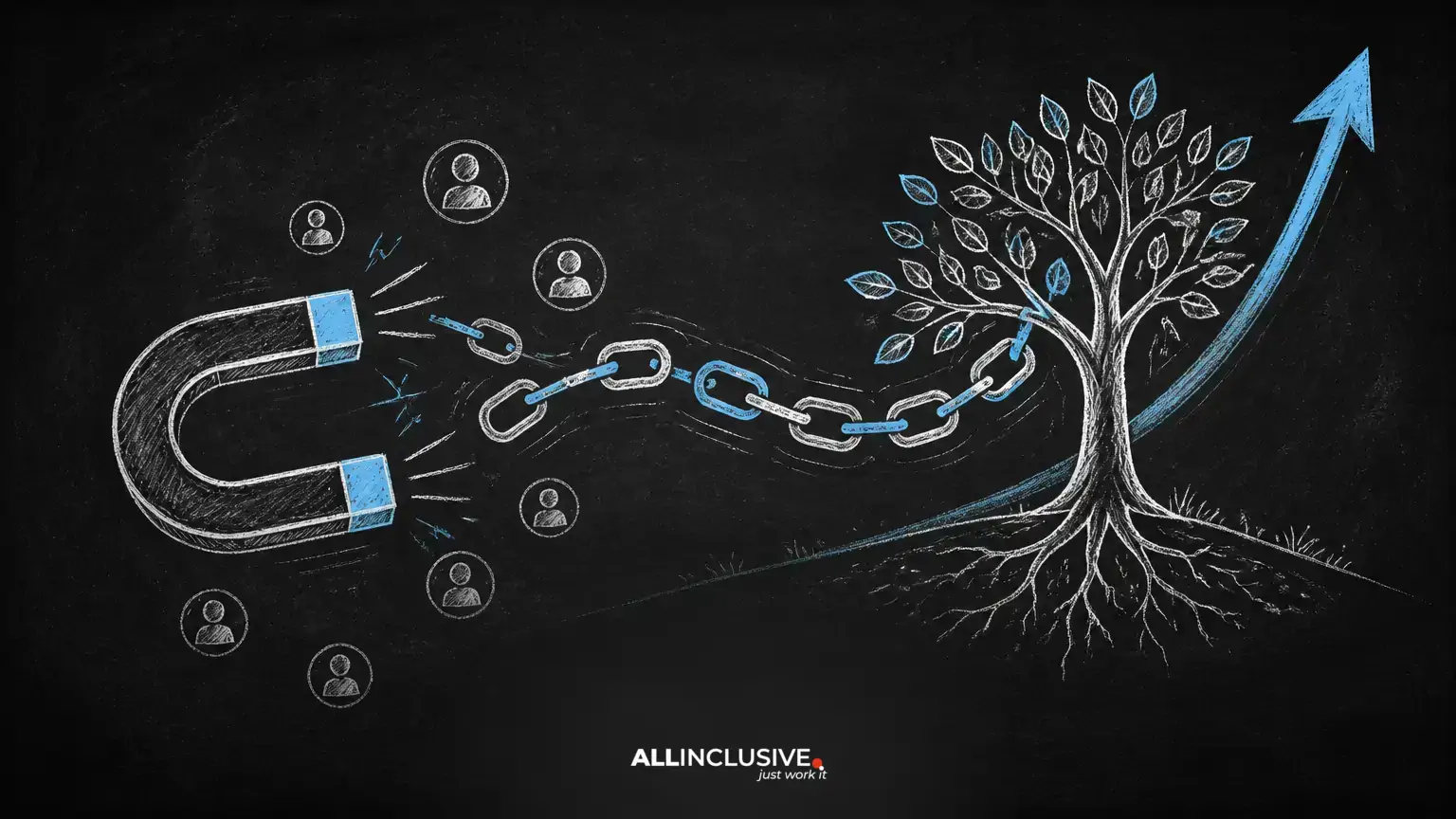
Increasing organic traffic is a system-building exercise. Research reveals opportunities, useful content earns attention, technical quality removes friction, internal links provide structure, and measurement shows whether the work is producing qualified demand. Choose a small number of improvements that align with your audience and business goals, execute them carefully, and use evidence to guide the next iteration.