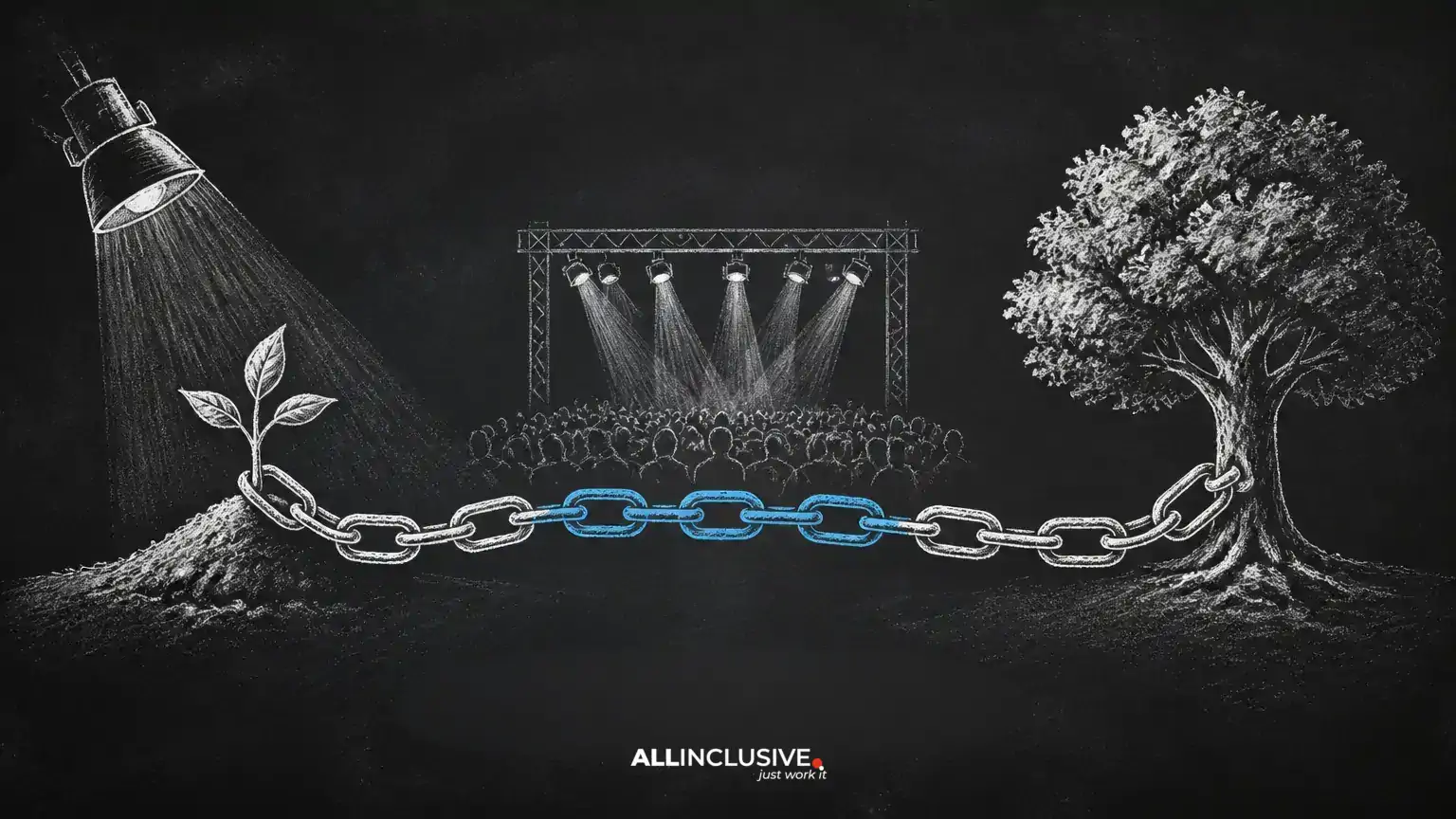
Events create a short-term reason for people to search, share, ask questions, and visit a website. That makes search engine optimization useful before the event begins, while registration is open, and after the event has ended.
Effective event SEO is not about forcing an event page to rank for every broad keyword. It is about making essential information easy to find, giving relevant organizations a reason to reference the event, and preserving useful content when the event is over. This guide explains a practical workflow you can adapt to conferences, workshops, community gatherings, fundraisers, performances, and business events.
Start with the audience and the event goal
Before choosing keywords or contacting publishers, define who the event is for and what a successful campaign should accomplish. Audience clarity affects the page language, promotional channels, partnerships, and calls to action.
Describe the intended attendee in practical terms:
- Location or travel radius
- Professional role, interest, or community affiliation
- Experience level or eligibility
- Primary reason for attending
- Questions or objections that may prevent registration
Then choose a small set of measurable goals. Depending on the event, these might include registrations, qualified leads, ticket revenue, attendance, partner referrals, or post-event inquiries. Visibility metrics such as impressions and mentions can provide context, but they should not replace business or attendance outcomes.
Build one authoritative event page
Your website should be the primary source of event information. Social profiles, ticketing platforms, partner pages, and community listings can extend reach, but they should point people back to a page you control whenever practical.
Create the page early enough for partners and attendees to reference it. Include the information a visitor needs to decide and act without searching across several sites:
- Event name and a clear description
- Date, start time, end time, and time zone
- Venue, address, accessibility details, and travel guidance
- Agenda, speakers, performers, or featured activities
- Ticket, registration, cancellation, and eligibility details
- Price and what the registration includes
- A prominent registration or inquiry call to action
- Contact information and answers to common questions
- Relevant images with descriptive alternative text
Use a concise, readable URL that identifies the event. For a recurring event, consider whether one durable URL can be updated for each edition. A stable URL can simplify promotion and preserve accumulated references, but it must be maintained carefully so visitors do not encounter outdated dates or registration instructions.
Write for searchers, not just event promotion
Include the phrases people naturally use when looking for the event or a solution it provides. Location, format, topic, audience, and date can all matter. Avoid repeating variations unnaturally. A useful title and opening paragraph should quickly answer what the event is, where it happens, when it happens, and why someone should care.
Make the page useful even to someone who has never heard of the organizer. Explain the experience, not only the brand. If the event is invitation-only, say so. If details are provisional, label them as such and provide a clear way to receive updates.
Use structured data carefully
Event structured data can help search engines interpret details such as the name, location, timing, and offers. It does not guarantee enhanced search results, and markup should never contain information that is absent from the visible page or misleading to users.
Before publishing structured data, check that:
- The event is genuinely an event rather than a general service or business page.
- The date, time, location, and availability are accurate.
- Any ticket or offer information matches the registration experience.
- Changes and cancellations are reflected promptly.
- The implementation is tested with the relevant current search documentation and validation tools.
Structured data is a technical aid, not a substitute for clear content, accessible design, or a reliable registration process. Because search features and validation requirements can change, verify implementation details during development.
Plan promotion around relevance and usefulness
Links and mentions are most valuable when they introduce the event to a genuinely interested audience. Build a prospect list from relationships and topical relevance rather than from a large database of unrelated sites.
Potential promotion partners may include:
- Professional associations and local organizations
- Venue, sponsor, exhibitor, or speaker websites
- Relevant newsletters and community calendars
- Local publications and specialist media
- Educational institutions or coworking communities
- Related podcasts, forums, or event directories
Review each prospect before outreach. Confirm that the audience fits, the site appears active, and the proposed listing or story would be useful to its readers. A smaller list of well-matched contacts usually produces more relevant conversations than mass outreach.
Give partners material they can use
Reduce the work required to promote the event. Prepare a short fact sheet, approved descriptions in different lengths, speaker or performer information, images, registration details, accessibility notes, and a direct contact for questions.
Personalize the request by explaining why the event fits that publication or community. Ask for an appropriate listing, editorial mention, interview, calendar entry, or partnership. Do not offer payment or incentives in exchange for followed links. If a commercial relationship affects how a link should be handled, document the arrangement and follow the applicable platform and search guidance.
Never treat community groups as free advertising channels. Read their rules, contribute appropriately, and make the event genuinely relevant before sharing it.
Coordinate owned, paid, and offline channels
Search visibility works best when the event page supports other channels rather than operating in isolation. Email, social media, paid promotion, partner communications, printed materials, and direct outreach can all send qualified visitors to the same source of truth.
Use a promotion calendar with separate phases:
- Launch: Publish the page, announce the event, and provide partners with the core assets.
- Consideration: Answer common questions, introduce speakers or activities, and explain the attendee benefit.
- Conversion: Remind interested users about registration deadlines, remaining capacity, or practical details.
- Final logistics: Send directions, arrival information, accessibility guidance, and schedule changes.
- Follow-up: Share resources, recordings, results, or the next relevant action.
For email and paid campaigns, use consistent campaign naming and tracking parameters. For offline promotion, a memorable short URL or QR code can help connect the placement to the event page. Test every destination before distributing materials.
Measure the campaign with a simple tracking system
A spreadsheet can be sufficient for a small campaign if it records decisions consistently. Useful columns include contact or channel, audience, URL, outreach date, response, placement status, referral URL, tracking code, registration outcome, and follow-up date.
Review performance at several levels:
- Discovery: impressions, searches, mentions, and referral visits
- Engagement: page interactions, email clicks, registrations started, and inquiries
- Outcome: completed registrations, attendance, revenue, leads, or partner actions
- Quality: relevance of referrals, attendee fit, and usefulness of each channel
Do not assume that every conversion can be attributed perfectly. People may see a social post, hear about the event from a colleague, and later search for the brand directly. Use analytics, referral information, campaign parameters, registration data, and qualitative feedback together. Report what the data can support and label gaps rather than presenting uncertain attribution as fact.
For broader search strategy and measurement planning, see Allinclusive SEO services.
Extend the value after the event
Once the event ends, decide whether the page should become an evergreen resource, a recap, or an archive. Do not leave expired registration language prominent. Explain that the event has concluded and direct visitors to the next useful action.
Post-event assets might include:
- A concise recap with key takeaways
- Slides, recordings, transcripts, or downloadable resources
- Speaker, sponsor, or participant acknowledgments
- Answers to recurring attendee questions
- Photographs or short clips with appropriate permissions
- Information about the next event or related service
Ask contributors and partners to share the recap when it is genuinely useful to their audiences. This is a natural opportunity for relevant references because the content offers information beyond a registration request.
Common event SEO mistakes to avoid
- Relying only on a third-party ticket page: You lose control over context and may make essential information harder to find.
- Creating a new URL for every recurring edition without a reason: This can fragment references and maintenance work.
- Publishing stale dates or sold-out offers: Incorrect event information damages trust and can create poor user experiences.
- Sending generic mass outreach: Irrelevant requests harm relationships and rarely produce useful promotion.
- Buying links: Paid placements should be treated as advertising or partnerships, not disguised editorial endorsements.
- Tracking only traffic: Visits matter less than qualified registrations, attendance, leads, or other defined outcomes.
- Ignoring accessibility and mobile usability: A page that is difficult to use cannot convert the visibility it earns.
A repeatable event SEO workflow
- Define the audience, event value, and measurable goals.
- Publish a complete, accessible event page on your own website.
- Research relevant organizations, publishers, communities, and partners.
- Prepare useful promotional assets and personalized outreach.
- Coordinate email, social, paid, partner, and offline distribution.
- Track channels and outcomes with consistent naming.
- Update logistics promptly and monitor questions.
- Turn the completed event into a helpful recap or evergreen resource.
- Document lessons for the next event.
For a broader view of earning relevant references and developing a sustainable outreach process, explore Allinclusive link building guidance. The strongest event SEO campaigns connect a trustworthy source page with useful promotion, accurate information, and disciplined measurement.